
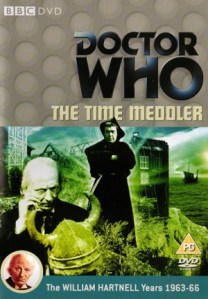
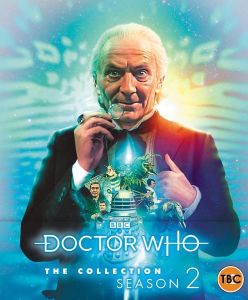
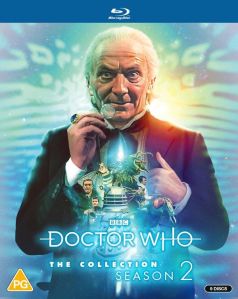
‘THE TIME MEDDLER’
Please feel free to comment on my review.
1066, Vikings and the Meddling Monk with the First Doctor, Vicki and Steven


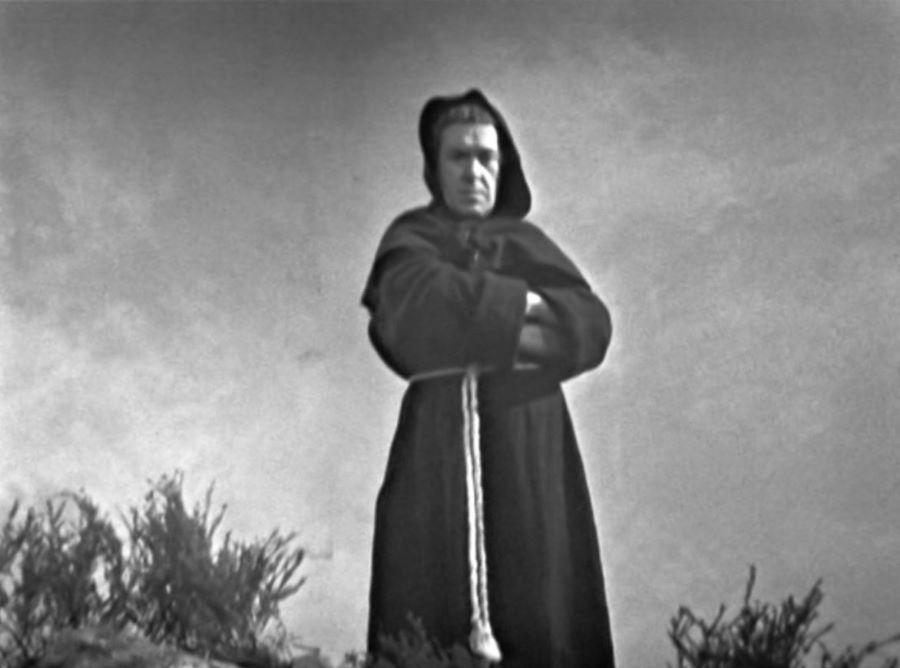
And now we come to the ninth and final story in Season 2 of the classic ‘Doctor Who’ TV series called ‘The Time Meddler’, a four-part story by outgoing script editor Dennis Spooner, and is directed by Douglas Camfield. This is a ‘Doctor Who’ story from the William Hartnell era that I’m really fond of. 🙂
Douglas Camfield of course previously co-directed ‘Planet of Giants’ at the beginning of Season 2 and later directed ‘The Crusade’. It’s interesting how things have turned out for Douglas Camfield as a director in ‘Doctor Who’, and he would go on to direct more adventures in the 1960s and the 1970s.
It’s interesting how Season 2 has turned out with its numerous changes to the regular cast line-up. It started with the Season 1 cast of William Hartnell as the Doctor, William Russell as Ian, Jacqueline Hill as Barbara and Carole Ann Ford as Susan. Then Susan swiftly left in ‘The Dalek Invasion of Earth’.
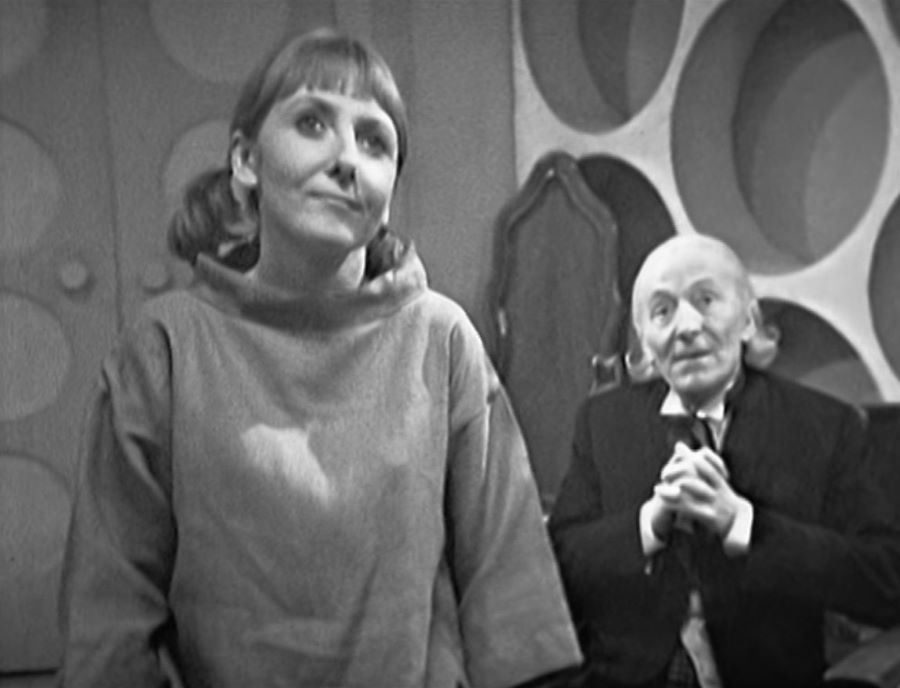
Maureen O’Brien as Vicki joined the TARDIS crew in ‘The Rescue’ and for the most part, Season 2 has been about the First Doctor, Ian, Barbara and Vicki. Then Ian and Barbara left in ‘The Chase’ and now we have Peter Purves as Steven joining the Doctor and Vicki in the finale of Season 2 of the TV series.
This isn’t the only season that would go through a series of numerous cast changes, particularly in the classic TV show. Not wishing to jump ahead here, but Season 3 would be most notorious in seeing a flurry of cast sea-changes from beginning to end, but that’s a discussion for another time. 🙂
As well as Ian and Barbara leaving the TV show in the previous story and Steven joining the TARDIS at the end of Season 2, ‘The Time Meddler’ happens to be the last story for producer Verity Lambert’s second season of the TV show. Yes, she would return to produce ‘Galaxy 4’ for Season 3. 🙂
As well as ‘Mission to the Unknown’. But this essentially was the end of the Verity Lambert era of ‘Doctor Who’ in the first full two seasons she worked on. She would pass on the reigns to John Wiles, and he would produce the classic show for the first half of Season 3. Again, this is for another time. 🙂
Replacing Dennis Spooner in the script editor role of ‘Doctor Who’ was Donald Tosh. Apparently, Dennis Spooner wasn’t allowed to edit his scripts for ‘The Time Meddler’. This makes me wonder, how was he able to edit his scripts on ‘The Romans’ once he began his script editor role in Season 2?
Regardless, Donald Tosh was invited to come on board to be the script editor of ‘Doctor Who’ a little early before he worked with John Wiles on Season 3. I suppose it’s traditional for the new script editor to come in and work on an outgoing script editor’s story that happens to be the season finale.
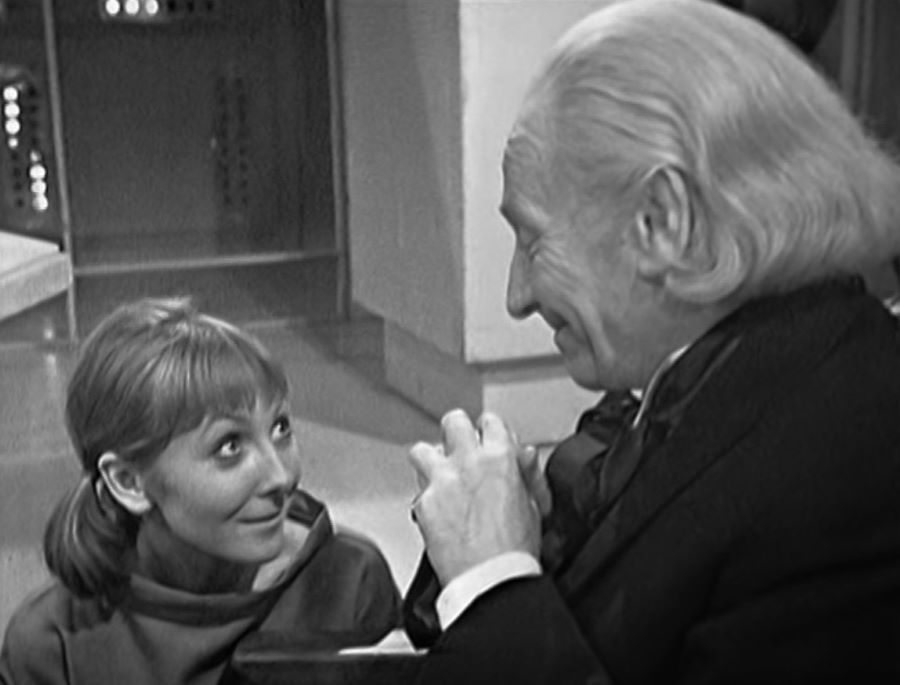
Let’s talk about the story itself for a bit. After Ian and Barbara’s departure, the Doctor and Vicki reflect on missing their dearest friends and wondering where they’re to go next. I like the first scene between the Doctor and Vicki where they talk about Ian and Barbara’s departure from the TARDIS. 🙂
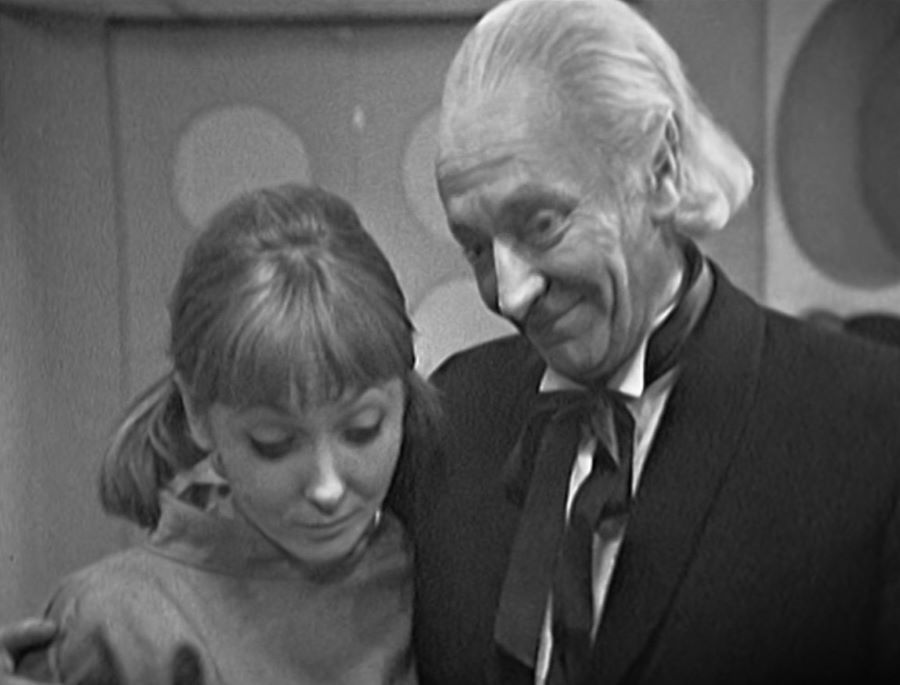
It’s a nice scene between William Hartnell as the Doctor and Maureen O’Brien as Vicki once they realise they’re travelling alone together. I wonder the ‘Doctor Who’ TV series would’ve been like if it was just the First Doctor and Vicki. I’m sure the two of them would have had plenty of adventures. 🙂
I know the Doctor having just one companion in the TV series didn’t happen prominently till the Jon Pertwee era, but it would have been fascinating had it started in William Hartnell’s era and it was just him and Vicki. If Steven had not debuted in ‘The Chase’, we’d have a different series altogether.
The closest that William Hartnell’s Doctor has had to traveling with just one companion in the TV series is with Dodo Chaplet in Season 3 by the time we got to ‘The War Machines’, and that period of the First Doctor and Dodo travelling together is only expanded upon in the Big Finish audio stories. 🙂
But of course, the Doctor and Vicki aren’t alone, as it turns out Peter Purves as Steven has stowed away aboard the TARDIS, along with his toy panda mascot HiFi. How exactly Steven was able to get into the TARDIS when surely the time machine’s doors were locked is quite the mystery for me here.
It also turns out that, behind-the-scenes, it was decided to not include HiFi in any more stories featuring Steven as the Doctor’s companion. This makes me wonder why HiFi was introduced at all in the TV series. I’m sure he would have been used as a lucky charm for Steven on his adventures. 😐
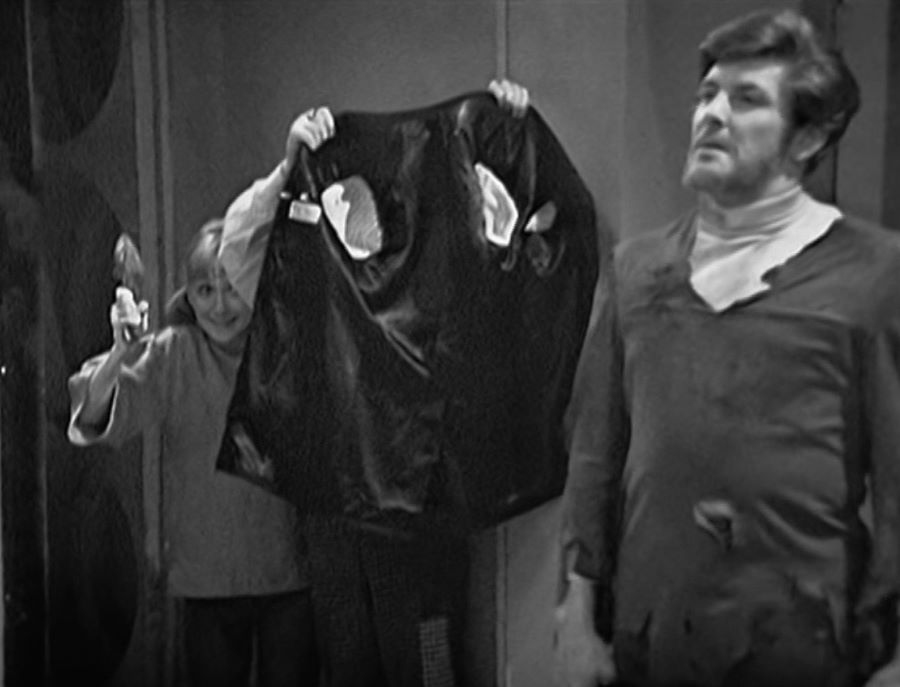
It was also funny when Vicki told the Doctor that it was ‘obviously a Dalek’ when they both heard a noise before it turned out to be Steven. Again, how a Dalek would have been able to get into the TARDIS if presumably the TARDIS doors were locked once the Doctor left for Mechanus is a mystery.
Anyway, once Steven has recovered in the TARDIS, the Doctor and Vicki soon accept him as a TARDIS crewmember. I quite like how the Doctor and Vicki gradually tease Steven and convince him that the TARDIS is a time machine. It takes a while for him to be convinced by the third episode, but I like it. 🙂
In many respects, it’s a good introduction for Steven as a ‘Doctor Who’ companion, especially if a new audience member has come in to watch the TV show for the first time and they don’t realise what’s going on. The explanation for the TARDIS interior and exterior to Steven is equally enjoyable.
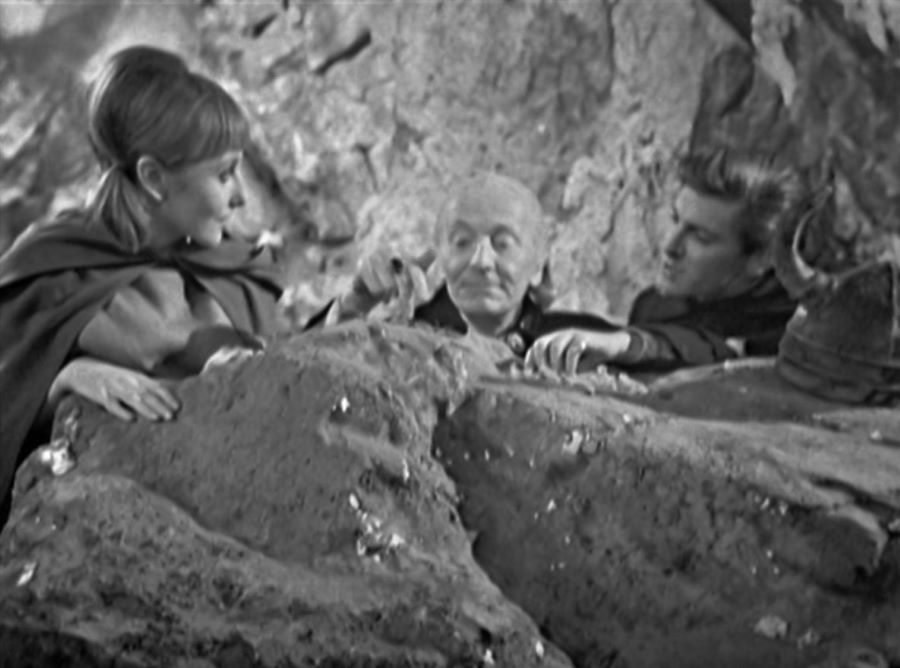
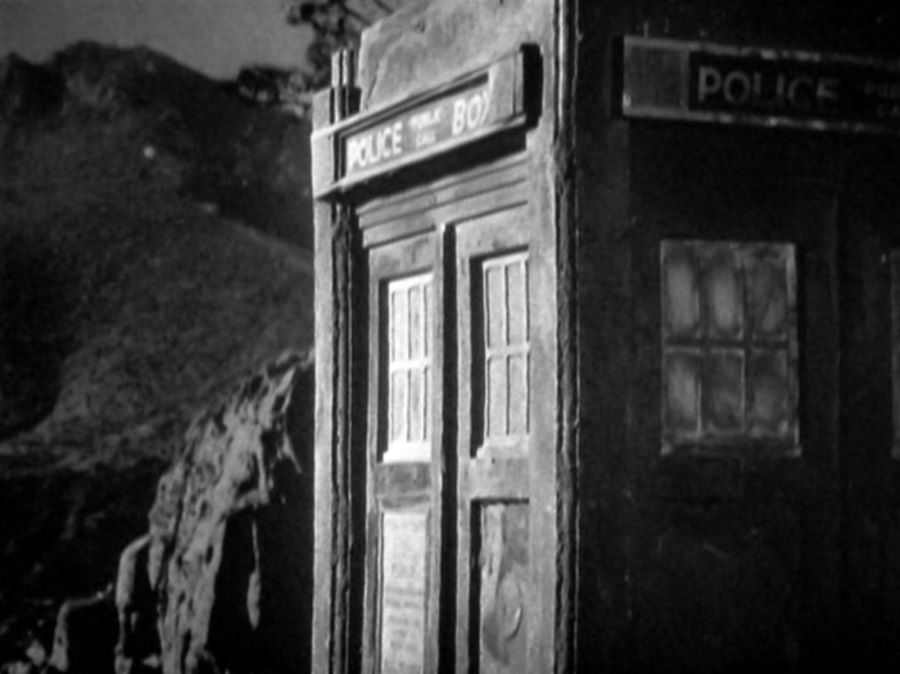
When they’re on the shore after exiting the TARDIS, the descriptions of how the time machine can change its shape into a howdah or a rock on a beach echoes the Ninth Doctor’s explanation of the TARDIS changing shape in ‘Boom Town’. Steven is sceptical since the TARDIS is stuck as a police box.
For Steven’s first adventure with the Doctor and Vicki, the TARDIS lands on the Northumbrian coast on the planet Earth during Saxon times. The year is 1066 and the TARDIS crew have arrived before William the Conqueror invades England and it’s where the Battle of Hastings is about to take place. 🙂
I must admit, I’m not really an expert on the Battle of Hastings. Nor am I fully knowledgeable about the Saxons and the Vikings. It’s intriguing how this ‘Doctor Who’ story introduces them to younger audiences, even if it has to balance the involvement of the Monk attempting to change Earth’s history.
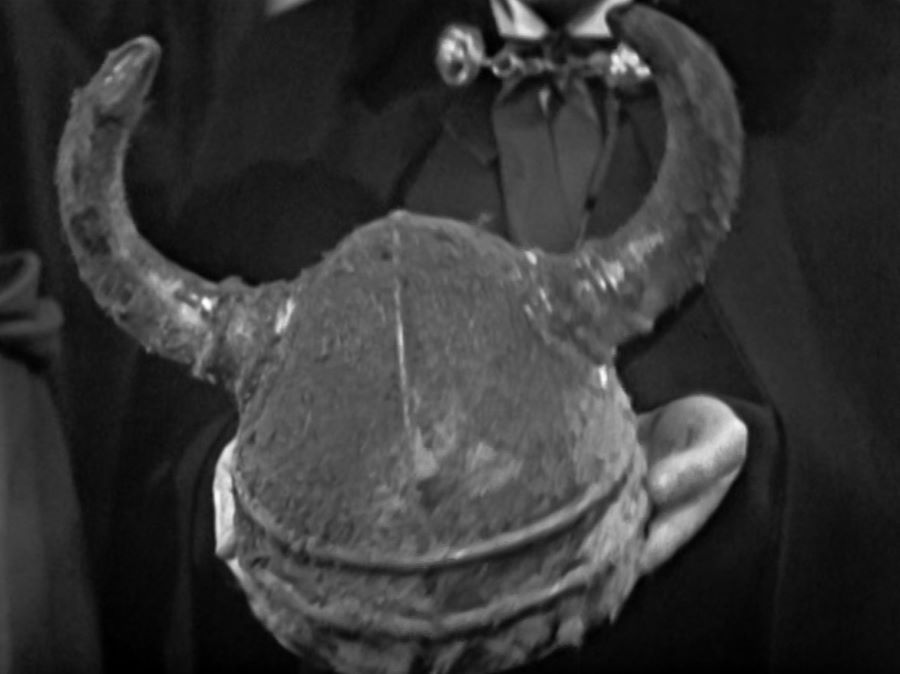
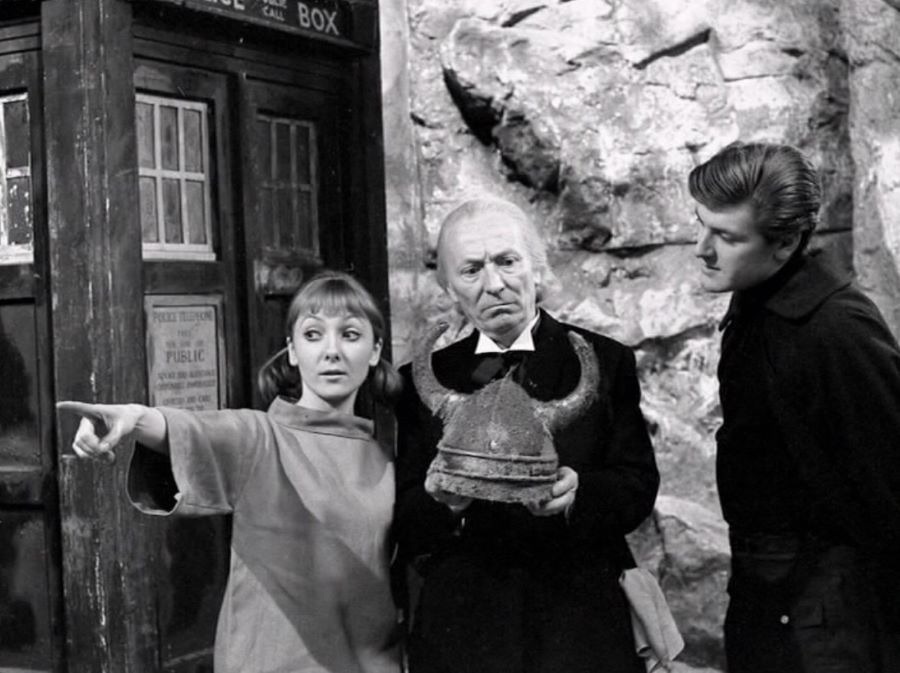
There’s an almost ‘Horrible Histories’ element about this ‘Doctor Who’ story, especially when it involves the Saxons, the Vikings and their conflict with each other. Although, the Vikings could be considered inaccurate, since they have horns on their helmets, which isn’t an actual thing in real life.
I recall a ‘Horrible Histories’ episode that informed us Vikings had nothing on their helmets. Which makes me wonder why we, as humans, assumed that Vikings had horns on their helmets to begin with. At least they’re not space helmets for cows, according to the Doctor when he spoke to Steven.
As the Doctor and his friends explore the place – And by that, I mean, the Doctor is separated from Vicki and Steven for most of the story – he discovers that something’s not quite right about where and when there are. It transpires there’s a Meddling Monk who lives in a monastery high atop a hill.
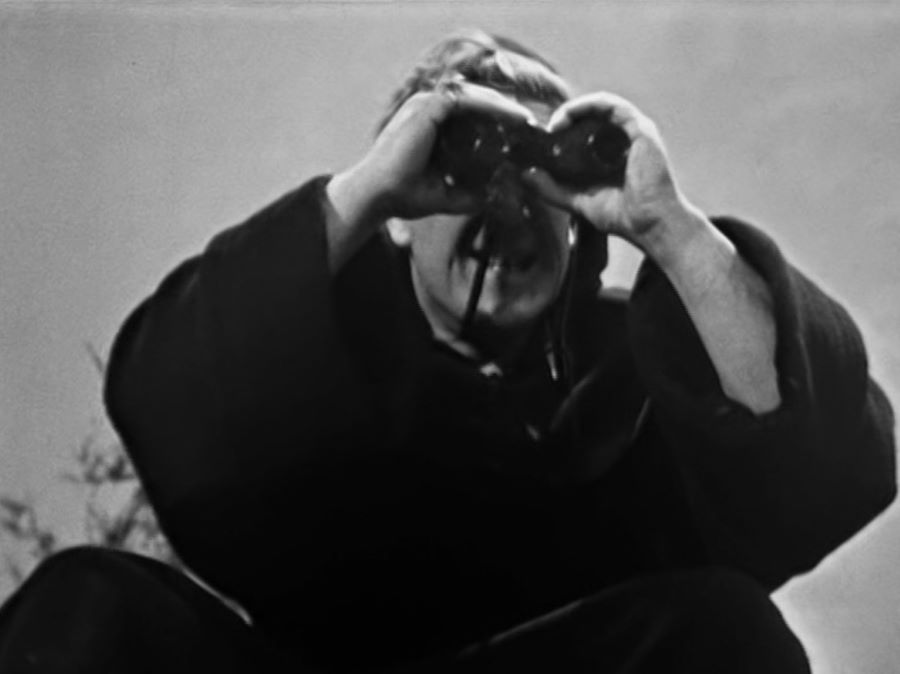
It’s revealed that the Monk is trying to draw the attention of the ‘vicious Vikings’ about to invade Northumbria. But why does the Monk want to change the course of history by altering the Battle of Hasting’s outcome? And how does he know the Doctor? Will the Doctor be able to defeat the Monk?
I’ve had my DVD cover of ‘The Time Meddler’ signed by Maureen O’Brien and Peter Purves at conventions over the years. Maureen signed my DVD cover at ‘Dimensions 2015’ in Newcastle in October 2015. Peter signed my DVD cover at ‘Regenerations 2013’ in Swansea in September 2013. 🙂
I’m pleased to have met Maureen O’Brien and Peter Purves at conventions. My meeting with Maureen in October 2015 was brief but pleasant, and I’ve met Peter at more conventions than I’ve realised. Both Maureen and Peter stand out so well as their ‘Doctor Who’ characters in this TV story.
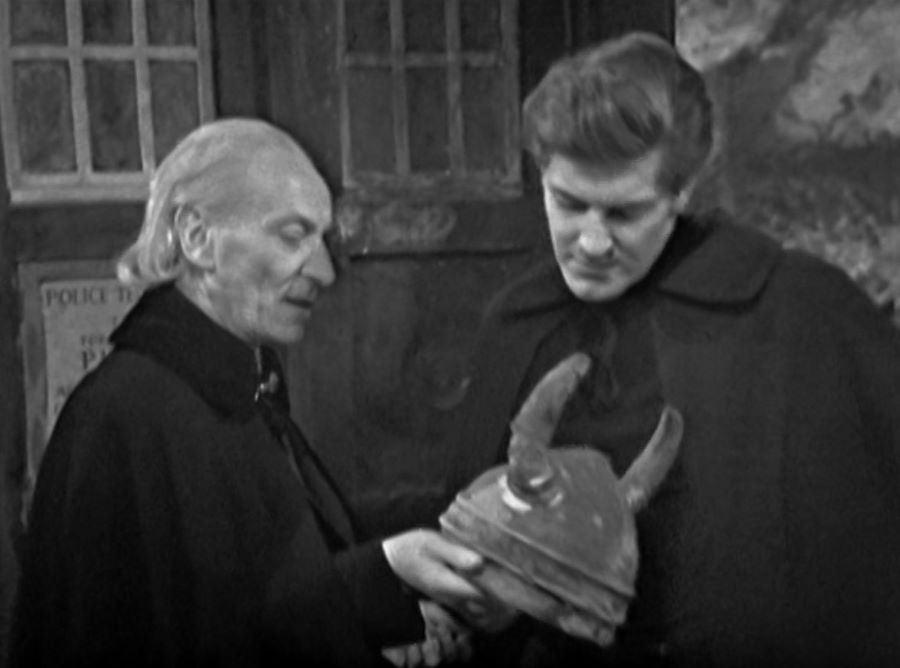
It’s nice how Season 2 concludes, especially with Peter Purves as the new companion Steven Taylor, since he made his debut at the end of ‘The Chase’. Apparently in 2020, ‘The Time Meddler’ was voted the second-best First Doctor era story in ‘Doctor Who’ by readers of ‘Doctor Who Magazine’. 🙂
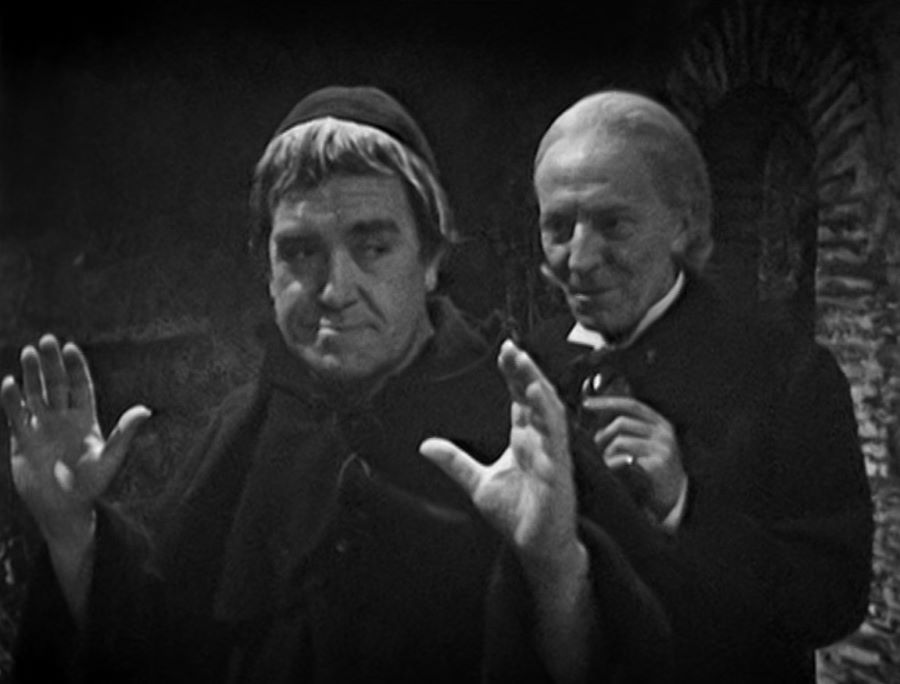
This might have something to do with the fact that ‘The Time Meddler’ introduces a new character, and he happens to be one of the Doctor’s people. That character is Peter Butterworth as the Meddling Monk. This is a hint of the Doctor’s past being explored as well as to where he came from.
Beforehand, the Doctor’s origins weren’t very clear. In fact, the majority of the First Doctor era has had him as an enigma. It would take four seasons later by the end of ‘The War Games’ in the Patrick Troughton/Second Doctor era to establish where the Doctor had come from and who his people are.
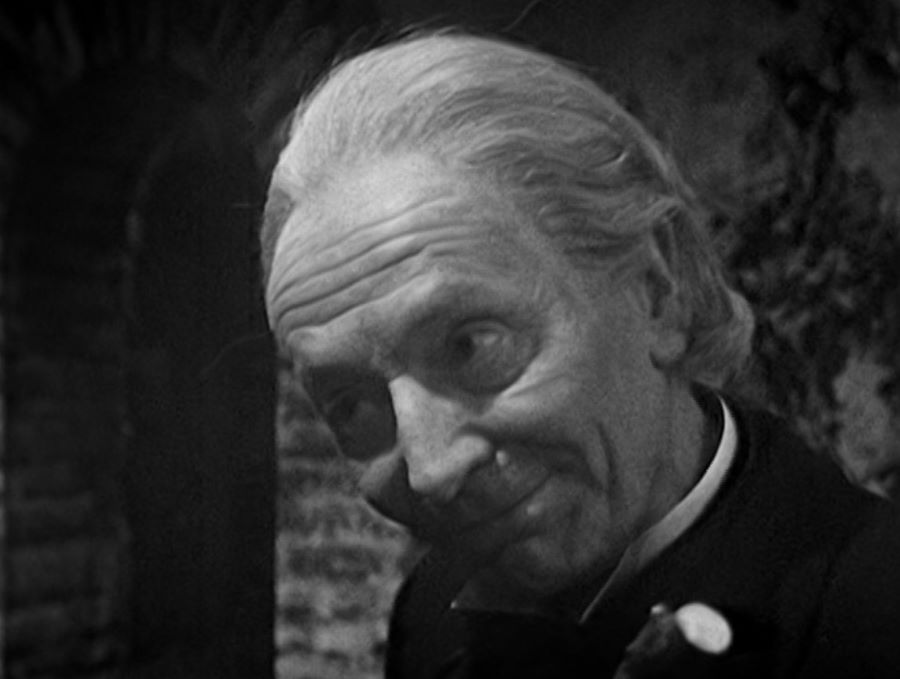
Of course, nowadays, we know who the Doctor’s people are, even though it’s been messed around a bit through the passage of time, particularly in Chris Chibnall’s era. But in the First Doctor era with William Hartnell, audiences had no clue who the time-traveller was and what his species truly was. 😐
So, it must have been refreshing and exciting for audiences to check out ‘The Time Meddler’ and discover that the Monk is one of the Doctor’s people and he happens to have a TARDIS, much to Vicki’s surprise. It’s not specifically stated what the Doctor and the Monk are, but it’s a gentle tease.
In many ways, this is a precursor to the Master in the TV series, as he would be introduced in the 1970s during the Jon Pertwee/Third Doctor era, starting off with ‘Terror of the Autons’. I don’t believe the Monk is the Master and the Big Finish audios seem to confirm he’s a different character.
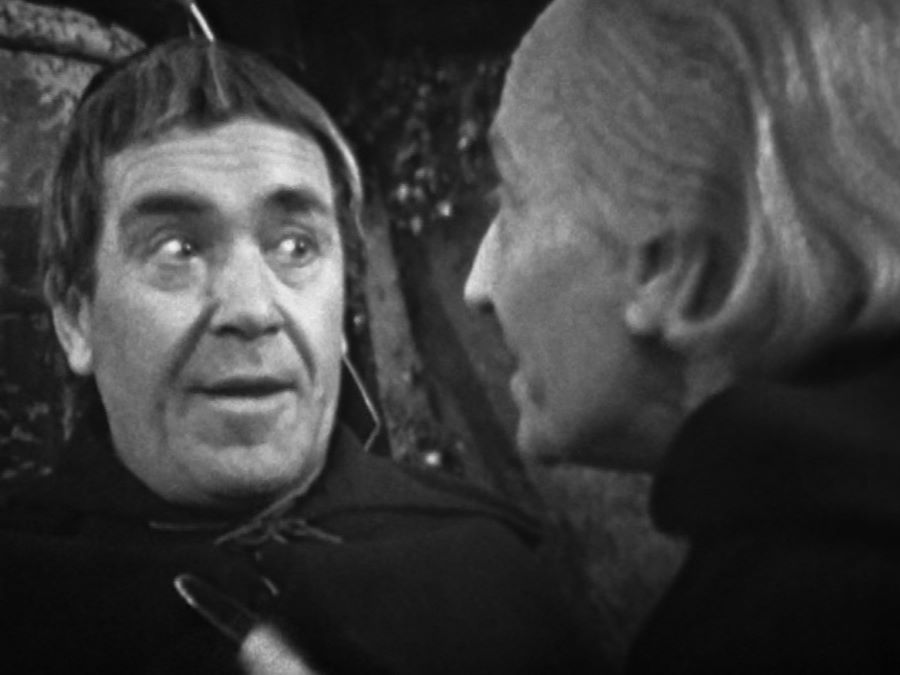
But this is like the first instance where the Doctor encounters a rogue time-traveller like him, except he’s not visiting times and places and being an observer. In this story, the Monk is deliberately trying to change Earth’s history, especially with the intention of trying to do something good for humanity.
Or so he claims. I don’t think the Monk is intentionally evil. He’s mischievous, but not so malicious. He’s someone who doesn’t seek to conquer the universe like the Master. He’s someone who wants to try and change history in order to provide a better outcome. But as the Doctor states about him…
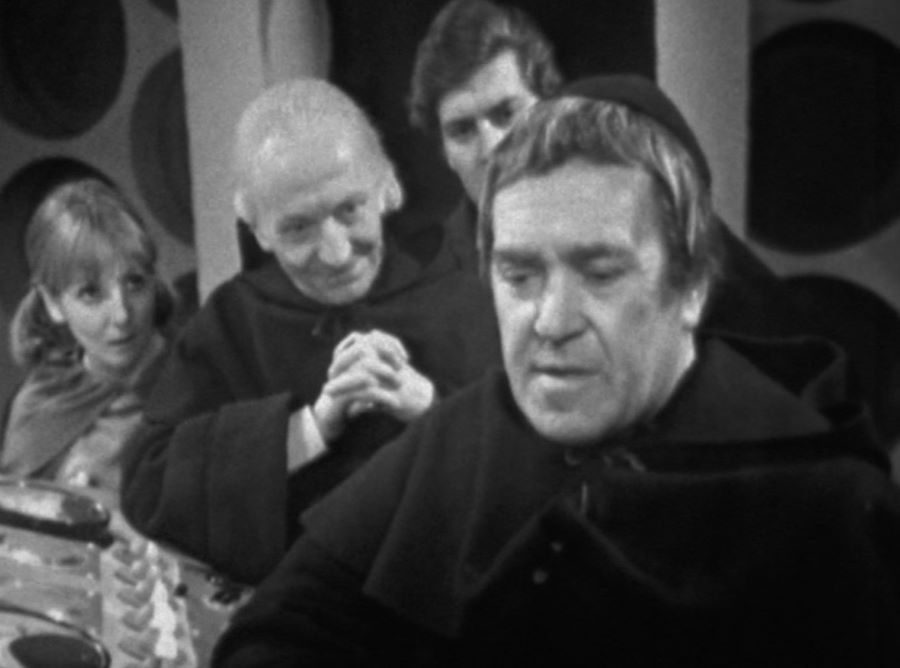
Doctor: What are we going to do with this fellow? He’s utterly irresponsible. He wants to destroy the whole pattern of world history.
Incidentally, ‘The Time Meddler’ is probably the first pseudo-historical adventure to be featured in ‘Doctor Who’ with the First Doctor, Vicki and Steven. Beforehand, the historical stories of ‘Doctor Who’ have been mainly pure historical tales with few sci-fi elements to them, apart from the TARDIS.
There’s also been the educational value in the historical stories. Don’t get me wrong, it’s there in ‘The Time Meddler’ with educating youngsters about William the Conqueror, the Battle of Hastings, the Saxons and the Vikings. But the Monk’s character is a sci-fi aspect introduced by Dennis Spooner.
It seems the pseudo-historical stories in ‘Doctor Who’ happened way before ‘The Time Warrior’ came along in 1974. Through Season 2 of ‘Doctor Who’, it’s amazing to discover how certain things that happened in the more recent TV seasons originated in the William Hartnell era of the TV series.
As well as the pseudo-historical stories and the Monk being introduced as a member of the Doctor’s people in this story, there’s the introduction of Queen Elizabeth I and William Shakespeare in ‘The Chase’, which happened way before ‘The Shakespeare Code’ occurred. Subtle but intriguing introductions.
The Steven Moffat timey-wimey story elements are also introduced in ‘The Space Museum’ to an extent. Many people are likely to ignore what went on in the William Hartnell era, including about the TARDIS being alive. That aspect was clearly established in ‘The Edge of Destruction’ in Season 1. 🙂
I like ‘The Time Meddler’ as a ‘Doctor Who’ story and it’s no surprise it’s considered the second-best story of the William Hartnell/First Doctor era, according to ‘Doctor Who Magazine’ in 2020. It’s a TV story that has managed to find its way into the ‘Tales of the TARDIS’ spin-off series on BBC iPlayer. 🙂
It’s a wonderfully well-written story by Dennis Spooner and it’s full of wit and humour throughout. I like how it’s a story about the Doctor and his friends coming to Earth and discovering that someone is interfering with Earth’s history. The rules concerning time travel are addressed by Dennis Spooner.
He sets the record straight about how you cannot ‘rewrite history, not one line’, echoing what the Doctor said to Barbara in ‘The Aztecs’. It’s something that’s sadly neglected in more recent eras of the TV show, especially in Steven Moffat’s era where time is being rewritten all the time, apparently.
I really like how ‘The Time Meddler’ is an amusing pseudo-historical ‘Doctor Who’ story. It’s not in the same vein as ‘The Romans’ of course, but like that story, you can taste the humour in Dennis Spooner’s writing through some of the characters, especially in Peter Butterworth’s Meddling Monk.
The balance of comedy and drama is just about right in ‘The Time Meddler’ and I like how the story unravels with the Monk being a mysterious character from the beginning before he’s revealed to be a time-traveller and a meddling enemy of the Doctor’s. I wish the Monk had more TV appearances. 🙂
Since then, the Monk has returned to ‘Doctor Who’ in a few episodes of ‘The Daleks’ Master Plan’ and was played again by Peter Butterworth. In the Big Finish audios, the Monk has returned numerous times, being played by Graeme Garden and Rufus Hound, and encountering many Doctors.
The Monk has also appeared in female form where she’s the Nun, played by Gemma Whelan in stories like ‘Buying Time’/’The Wrong Woman’ with David Tennant’s Tenth Doctor in the ‘Dalek Universe’ audio series. I’m pleased the Monk/Nun has had a legacy in ‘Doctor Who’ over the years. 🙂
It can be argued ‘The Time Meddler’ is slow-paced at times. This is especially when we’re meandering in the Northumbria era and are introduced to the Saxons and the Vikings. The Doctor’s exploration of the monastery and later Vicki and Steven’s can also be considered to sag quite a bit. 😐
Despite that, I was fascinated by what the Monk was trying to do in terms of interfering with Earth’s history. Once Vicki and Steven discover that the Monk has a TARDIS and it’s revealed he’s one of the Doctor’s people, the story changes completely and it does become something else entirely after that.
I can imagine how many people would have reacted to this revelation of the Monk having a TARDIS and being one of the Doctor’s people back in 1965. It must have been pretty exciting back then and it suits well for being included in a finale story of a season containing nine stories of varying lengths.
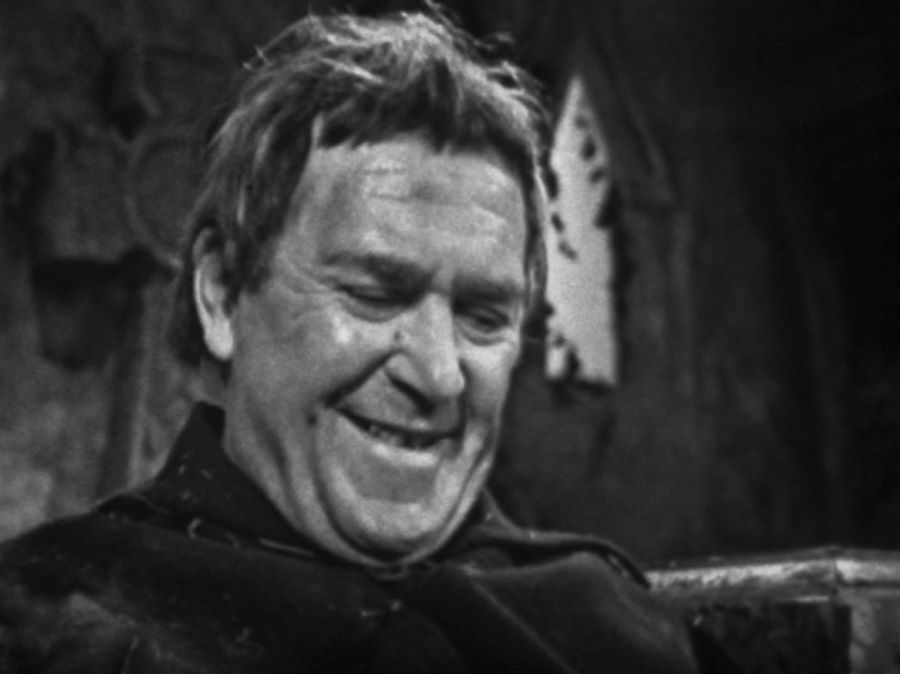
The sad thing is, we don’t really know what became of the Monk in terms of TV history, as he’s never returned beyond the William Hartnell era. In the Big Finish audios, certainly, but I wonder if there’s ever going to be a day where the Monk or the Nun will appear in the new series with Ncuti Gatwa. 😐
William Hartnell is great as the First Doctor in this ‘Doctor Who’ story. One of the things said between Janet Fielding, Wendy Padbury and Sarah Sutton in the ‘Behind the Sofa’ item of this story is how the Doctor drives the story compared to other stories. And I have to say, yeah, I’d agree to that.
I liked it when the Doctor deduced what was going on, especially once he and his friends are in 1066. There’s a little history lesson given by the Doctor about the Vikings and the Battle of Hastings for the audience’s benefit. It’s something I’m sure Barbara would’ve been able to provide her expertise on.
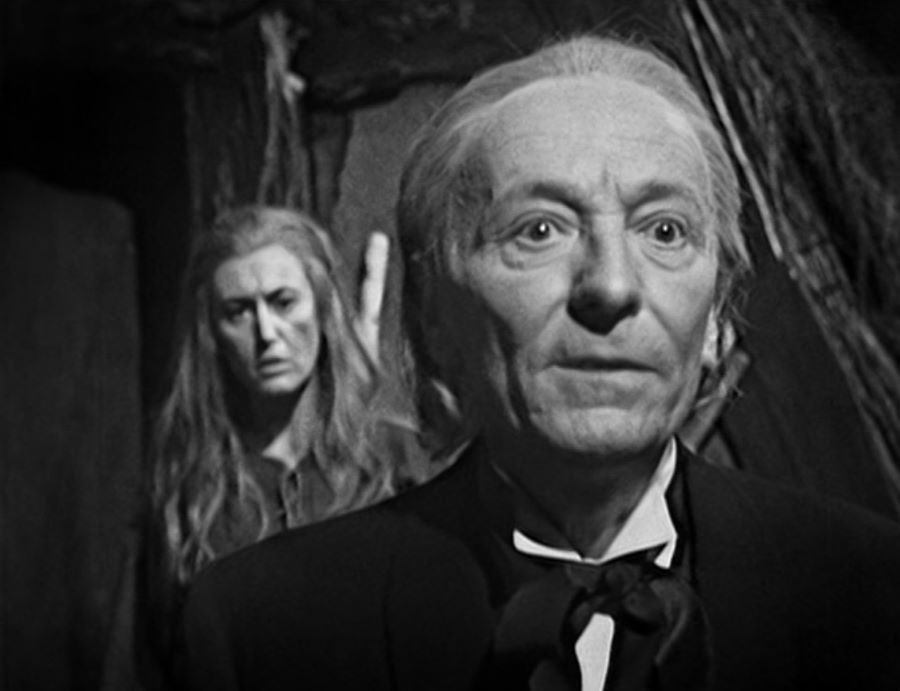
I also liked it when he gets to have his own adventure in this story. Sadly, William Hartnell is mostly absent in the story’s second episode, since the actor went on holiday in the week the episode was recorded, and he’s filled in by pre-recorded voiceovers for certain scenes. Thankfully, he does return. 😀
He has some nice scenes with Alethea Charlton as Edith, a Saxon woman who provides him with mead (also called hydromel, in case you were wondering – Hmm. Hydromel was used in the ‘Doctor Who’ story ‘Terminus’), which is an alcoholic beverage made by fermenting honey mixed with water.
And sometimes with added ingredients like fruits, spices, grains, or hops. So, you could say the Doctor’s tastes in alcohol started here in ‘The Time Meddler’ before the Third Doctor enjoyed having wine in ‘Day of the Daleks’. Although, I’m sure mead is less alcoholic compared other beverages. 😀
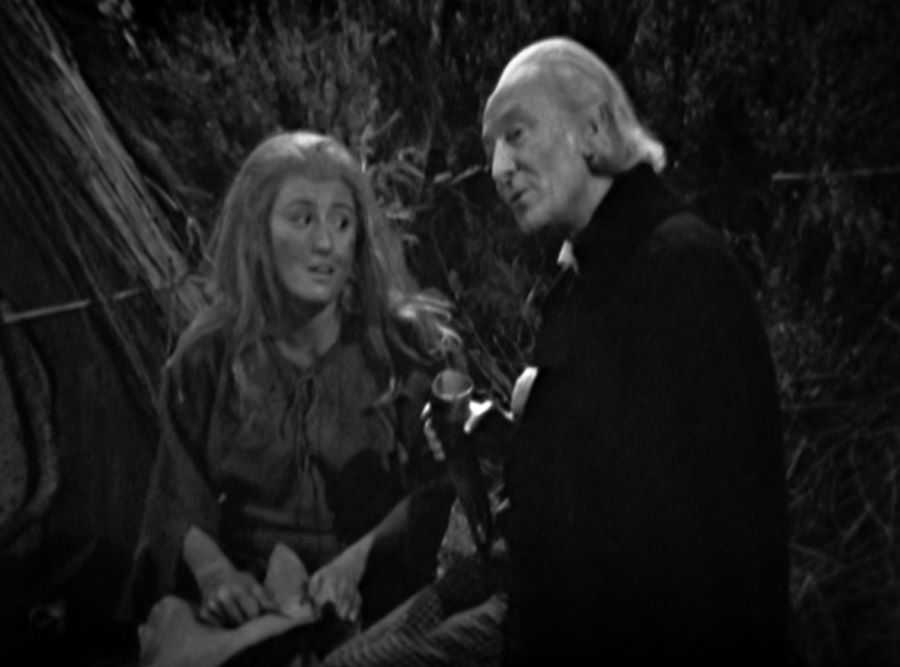
But I digress. Incidentally, Alethea Charlton who played Edith has been in ‘Doctor Who’ before. Before ‘The Time Meddler’, she played the cavewoman named Hur in the first ever ‘Doctor Who’ story ‘An Unearthly Child’. Edith, as a character, is way friendly than Hur was in ‘An Unearthly Child’.
Where was I? Oh yes. I enjoyed the scenes that the Doctor had with the Monk when he confronted him about what he was doing with changing Earth history. This happens in the third and fourth episodes of the story. I also liked how the Doctor confirmed he and the Monk are of the same planet. 🙂
Initially, the Doctor was amused by the Monk’s meddling, particularly when he discovered the gramophone record playing Gregorian music in the monastery. Of course, when the Doctor learns of the Monk’s plans to destroy the Vikings, he’s so serious and angry about this ‘disgusting exhibition’.
There’s one moment I enjoyed with the Doctor and it’s when he hits a Viking – Sven, I believe it was – over the head with a…Winchester ’73? (Surely the Doctor wouldn’t use a gun) Or perhaps it was a block of wood. That gets followed by an amusing line of dialogue which only William Hartnell would utter…
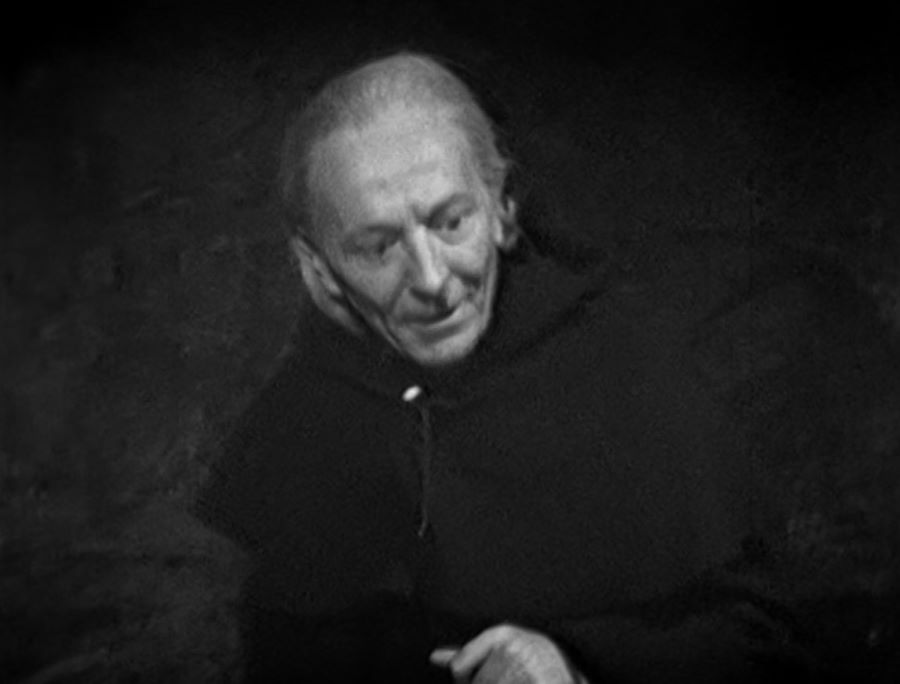
Doctor: My dear man, you had me quite worried. I thought you were never coming in.
It’s moments like that where William Hartnell’s wit and humour gets to shine really through. William Hartnell’s Doctor is often mistaken for always being the grumpy and bad-tempered of the Doctors in ‘Doctor Who’, but it’s nice to see how he gets to delivers of witty humour that makes him so unique.
I like Maureen O’Brien as Vicki in this ‘Doctor Who’ adventure. She’s lovely and I like how she gets on well with the Doctor, particularly in the story’s opening scene. She also gets on well with Steven and she treats him like a brother. Steven called Vicki ‘his sister’ in their ‘Tales of the TARDIS’ episode.
I enjoyed how Vicki and Steven get to share an adventure together when they’re exploring Northumbria in Saxon times. It was amusing when Vicki told Steven off at times whenever he became headstrong. Vicki is, of course, more experienced in time travel than Steven as they explore.
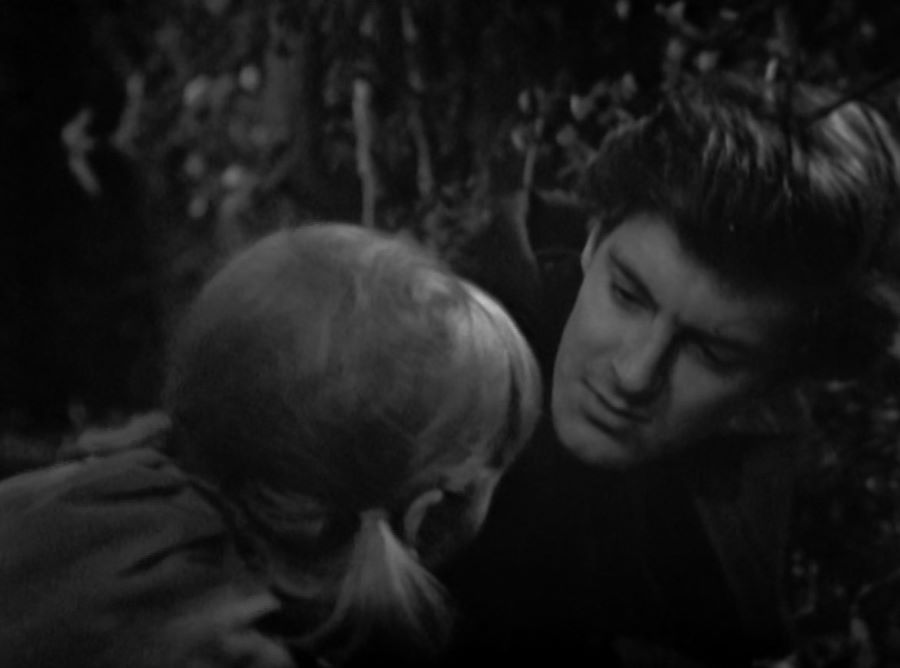
So, naturally she’d say, “Supposing you do what I say for once?” It was a funny scene between Vicki and Steven when he offered her ‘black berries’ or ‘black berries’ for breakfast in the story’s second episode. I also really liked that scene where Vicki and Steven meet the Monk outside the monastery.
Both Vicki and Steven suspect that the Monk is keeping the Doctor a prisoner within the monastery. I like how they work it out when checking with him about the Doctor’s description, which they never gave him. I liked it when Vicki and Steven discovered the sarcophagus in the monastery is a TARDIS.
Vicki is full of joy once she and Steven reunite with the Doctor in the story’s fourth episode. It was interesting to hear from Maureen O’Brien in the ‘Behind the Sofa’ that at that point in the behind-the-scenes making-of the TV series, she was getting so fed up with not having enough to do as Vicki.
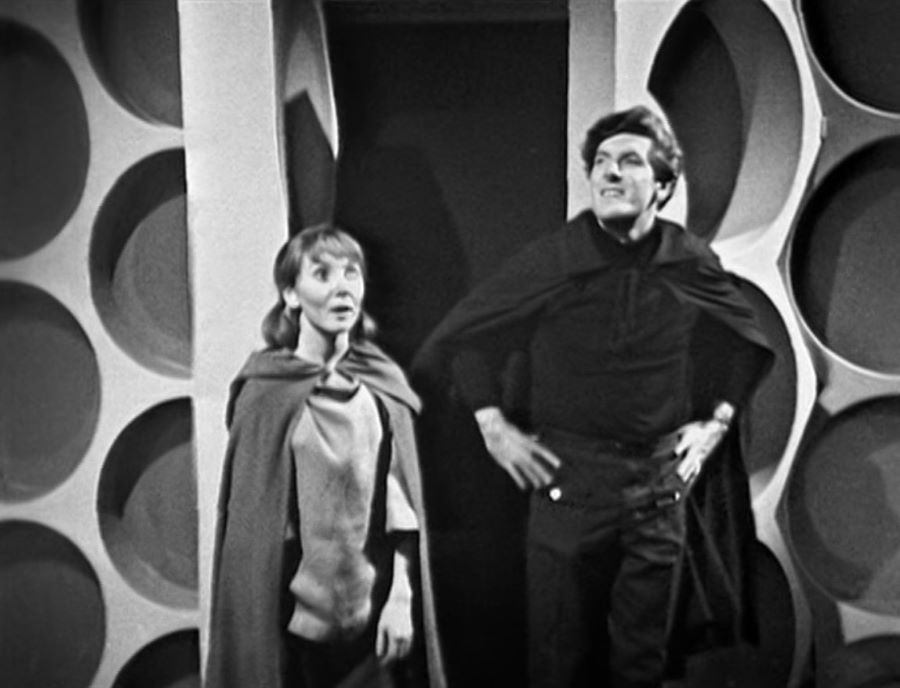
Whilst I sympathise with her frustrations on that, I think Vicki fares well as a character in this ‘Doctor Who’ story, especially when she’s interacting with Steven and sharing an adventure with him. The balance of eagerness and frustration in Maureen’s performance as Vicki does enhance her character.
Incidentally, when seeing Vicki walk around in a cloak around her neck when exploring the forest and the monastery, she does that have elfin quality to her. It almost makes her look like she’s one of the nine travellers of the Fellowship in ‘The Lord of the Rings’ films. Don’t know if that’s me though.
I also enjoyed Peter Purves as Steven, the new ‘Doctor Who’ companion at this point in the classic TV series. As well as ‘Doctor Who’, Peter Purves is well-known for being a presenter on ‘Blue Peter’. It’s amazing how he found success with ‘Doctor Who’ here before becoming a ‘Blue Peter’ presenter.
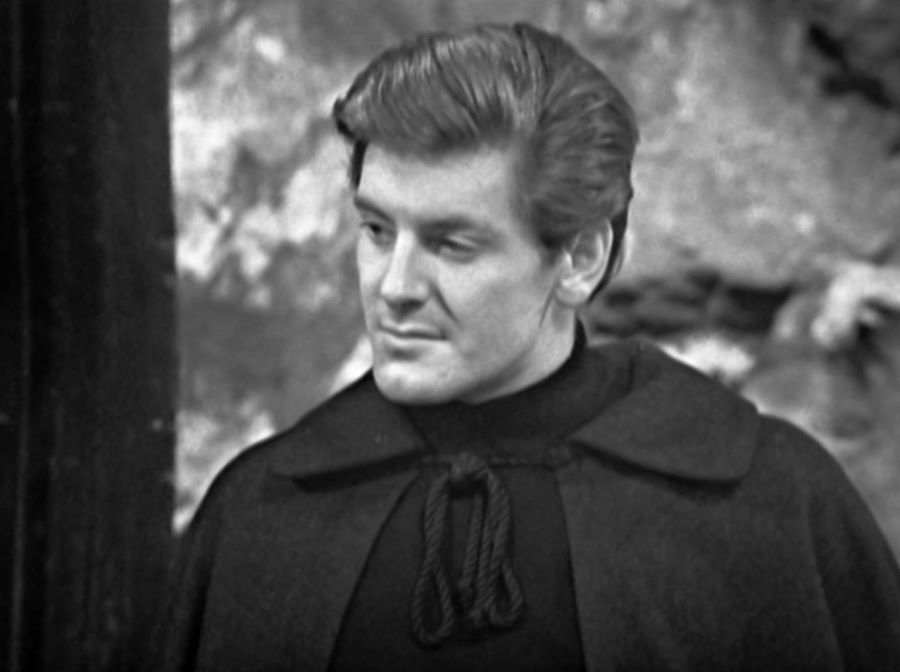
It’s funny how he happened to be in the TARDIS when the Doctor and Vicki found him, after he escaped from the Daleks and the Mechanoids from the crumbling city on Mechanus. I like how he’s welcomed by the Doctor and Vicki in the TARDIS crew, though he can be sceptical regarding the ship.
Steven can be quite cocky at times, including a moment where Vicki explains to him what the word TARDIS stands for, saying it stands for Time and Relative Dimensions In Space. Some people prefer Time and Relative Dimension In Space, but I personally prefer how Vicki defines the TARDIS word. 🙂
In response, Steven stays “IDBI”, which means “I don’t believe it”. 😀 It’s amusing when Vicki and Steven visit and meet the Monk at the monastery and he becomes impatient when the Monk’s rambling away and not answering their questions. Steven can be rude sometimes in the TV series. 😀
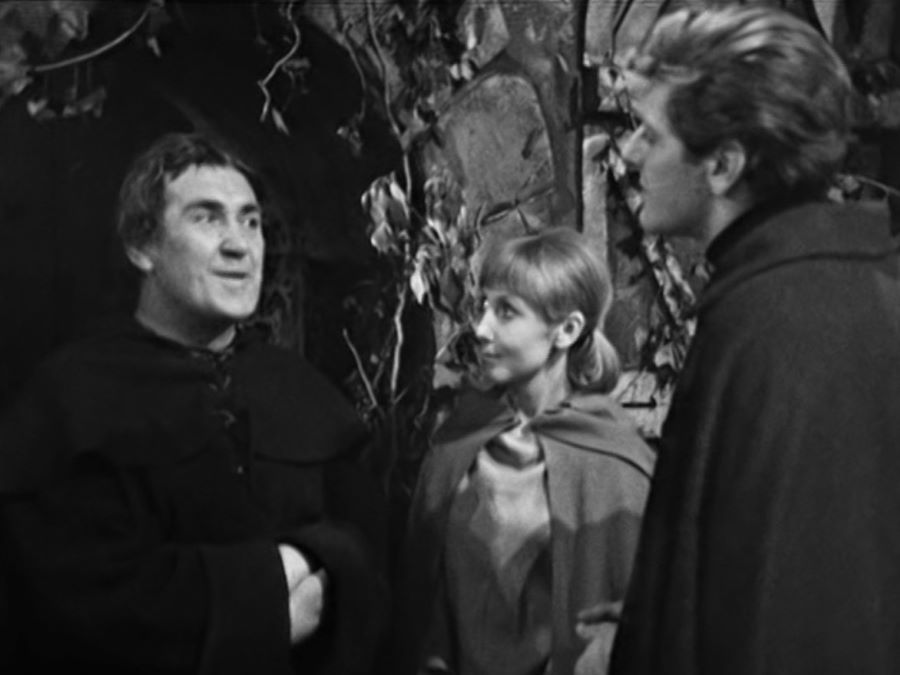
I also like how Steven doesn’t believe a word of what the Monks says when he claims the Doctor didn’t visit the monastery and he’s determined to test him out before he and Vicki venture into the monastery themselves. Steven seems to work well with Vicki when they have their own adventure. 🙂
Although he can be patronising to her at times, particularly when saying, “Who’s a clever girl then?” The reaction that Vicki gives when Steven accepts the TARDIS is a time machine is sublime. I liked it when Steven becomes suspicious upon finding a watch as well as atomic cannon that’s atop the hill.
Incidentally, when Steve is reintroduced in this ‘Doctor Who’ story, he has the beard and the space pilot’s outfit he wore from the end of ‘The Chase’. Here in this ‘Doctor Who’ story, Steven dons some new black clothes and he’s shaved his beard off. Thank goodness he took time to shave his beard off.
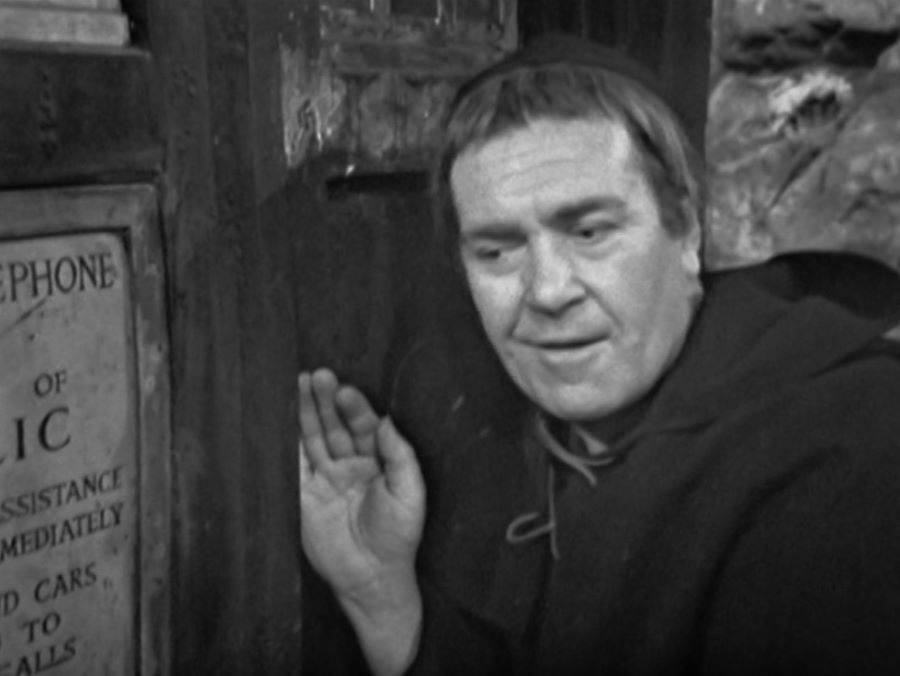
Peter Butterworth as the Meddling Monk – the titular ‘time meddler’ – is absolutely brilliant. He’s well-known for playing comedic characters, particularly in the ‘Carry On’ films. He’s also been in the ‘Dad’s Army’ episode called ‘The Face on the Poster’, which was produced after ‘The Time Meddler’.
It’s amazing that he plays one of the Doctor’s people…a Time Lord, no less…and he happens to be the villain of this story. I like how Peter Butterworth portrays the Monk in this story, especially as he manages to balance the comedic and serious aspects of the character very well in this TV adventure.
It’s quite amusing when the Monk happens to have kitchen utensils like a toaster and cups of china whilst providing breakfast for the Doctor once he has locked him in a prison cell within the monastery. Peter Butterworth delivers the anachronistic aspects of the Monk’s character really well in this story.
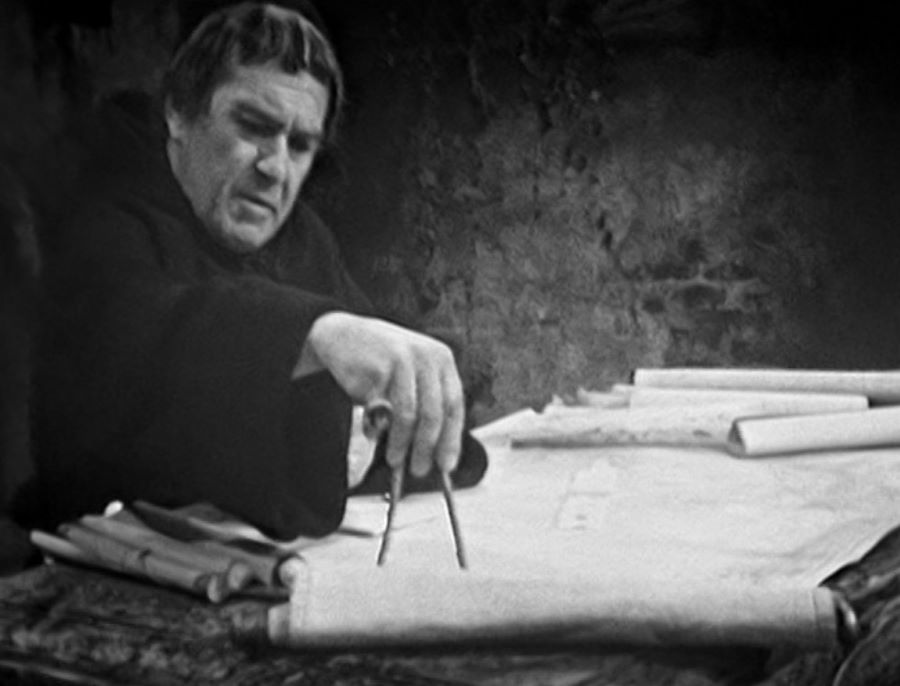
There’s the risk of being over-the-top with a character like the Monk, which Peter Butterworth could have taken advantage of when playing the character in the TV story. Thankfully, he doesn’t do that, as he’s able to strike a balance in making the Monk amusing as well as cunning and dangerous.
He manages to provide the pretence of being a Monk when interacting with the Saxons as well as Vicki and Steven. When he asks the Saxons to light beacon fires to guide so-called ‘building materials’ being sent by the sea, he expects them to do his bidding and without question in the story.
This of course becomes his downfall when the Doctor predicted Vikings coming to Northumbria to Edith early on in the story’s third episode. The Monk can be quite deceptive, especially when he tricks the Vikings to go in one direction whereas he goes in another and they’re killed by the Saxons.
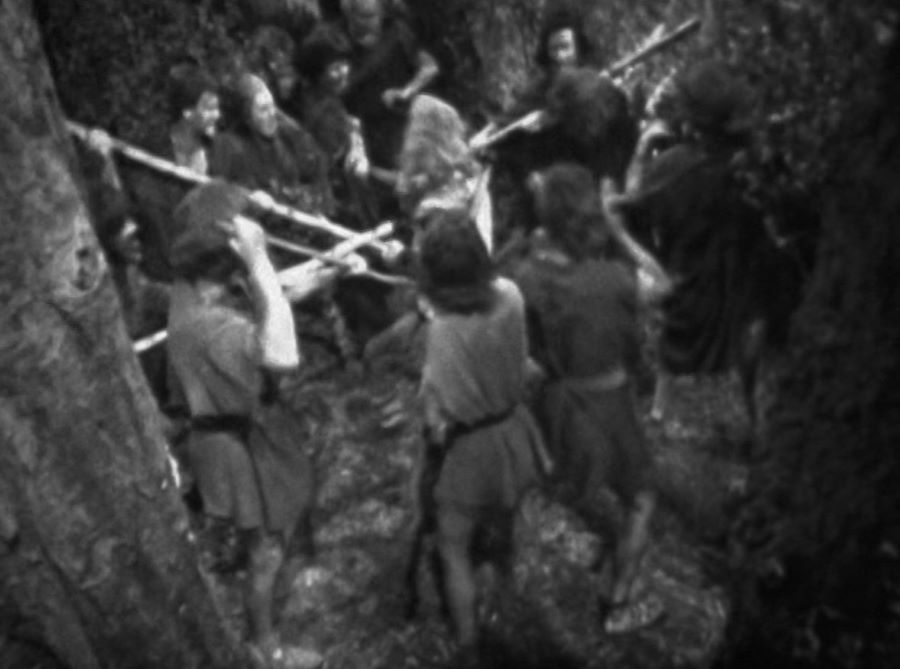
Speaking of which, there were twelve seconds of footage missing in the story’s fourth episode, which featured the two Vikings – Norman Hartley as Ulf and David Anderson as Sven – being killed by the Saxons. These twelve seconds of footage weren’t included on the DVD release of this story. 😐
In the Blu-ray edition of ‘The Time Meddler’ story however, I’ve noticed the missing twelve seconds are inserted back into the story. Someone must have found the twelve seconds of footage in the time between the release of ‘The Time Meddler’ DVD and the release of the Season 2 Blu-ray box set. 🙂
By the way, the Monk claims that his TARDIS is a Mark 4. This is a contrast to the Doctor’s TARDIS, who we’d later learn happens to be a Type-40 in the TV series. I know it was early days in establishing the type of machine the Doctor had in the series, but I wonder what a Mark 4 means? 😐
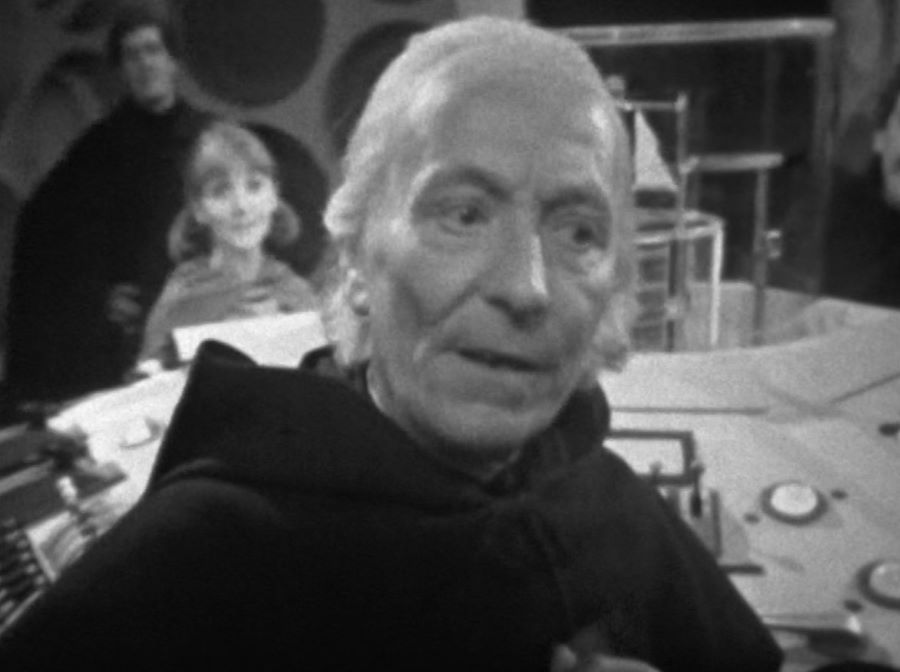
Is it an advanced model after a Type 40 is it before? According to the Doctor, he says he’s 50 years earlier. Meaning that the Monk is fifty years younger than the Doctor or that the Monk perhaps left Gallifrey 50 years after the Doctor. I’m not entirely sure. I don’t think it gets clarified anywhere else.
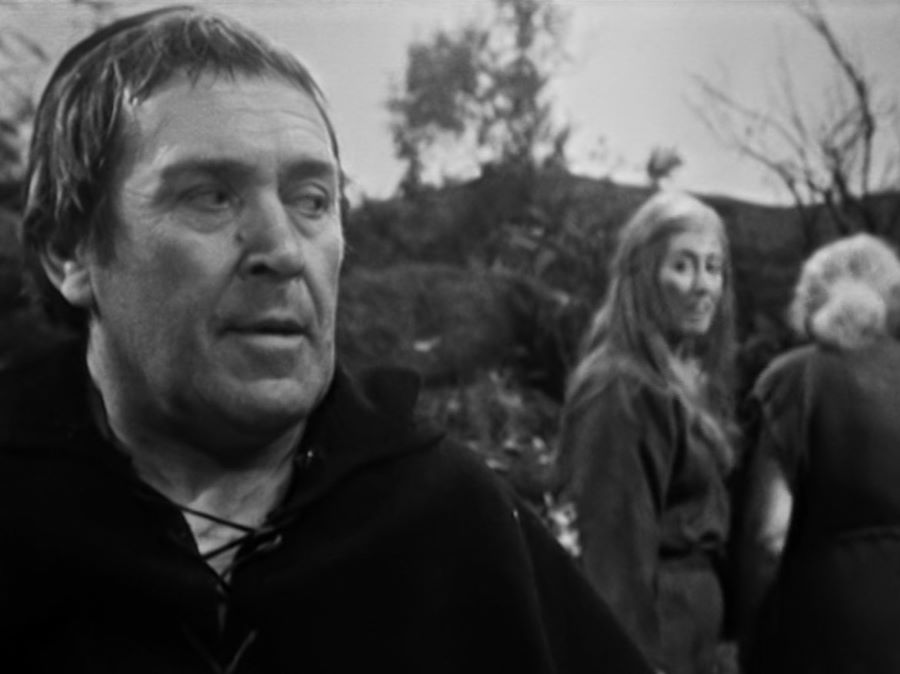
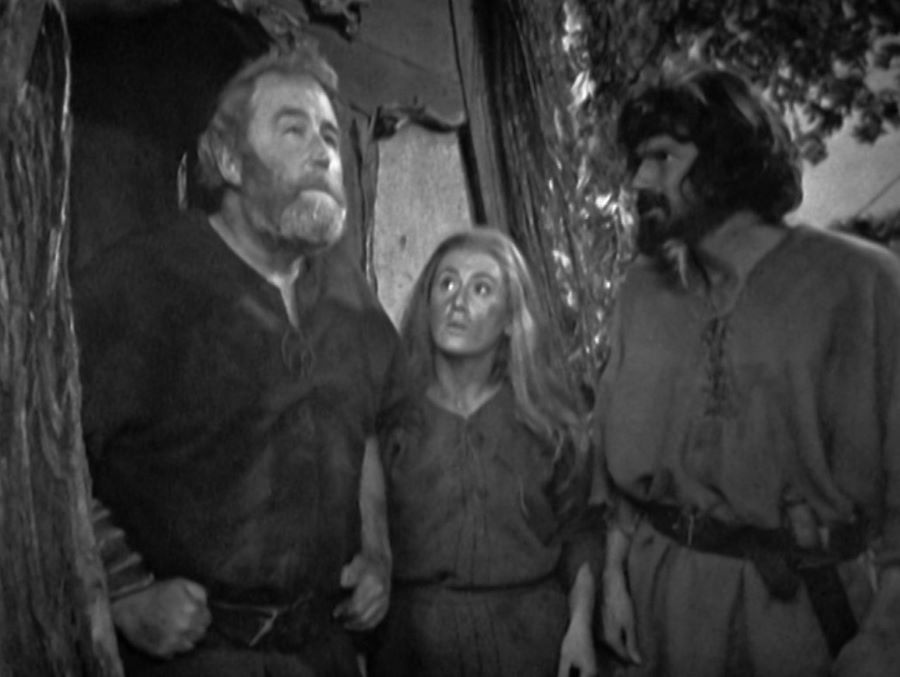
In terms of the rest of the guest cast, for the Saxons, as well as Alethea Charlton as Edith, there’s Michael Miller as Wulnoth and Peter Russell as Eldred (not Eldrad, I hasten to add 😀 ) and Michael Guest as the Saxon Hunter. For the most part, the Saxons do seem to be reasonably friendly people.
Although Eldred did suspect Vicki and Steven for being Viking spies and rather unreasonably, I might add. Wulnoth and Eldred end up fighting the Vikings in the forest as Edith was attacked by them outside her own home. The fight scene between the Saxons and the Vikings…is dodgy in my opinion.
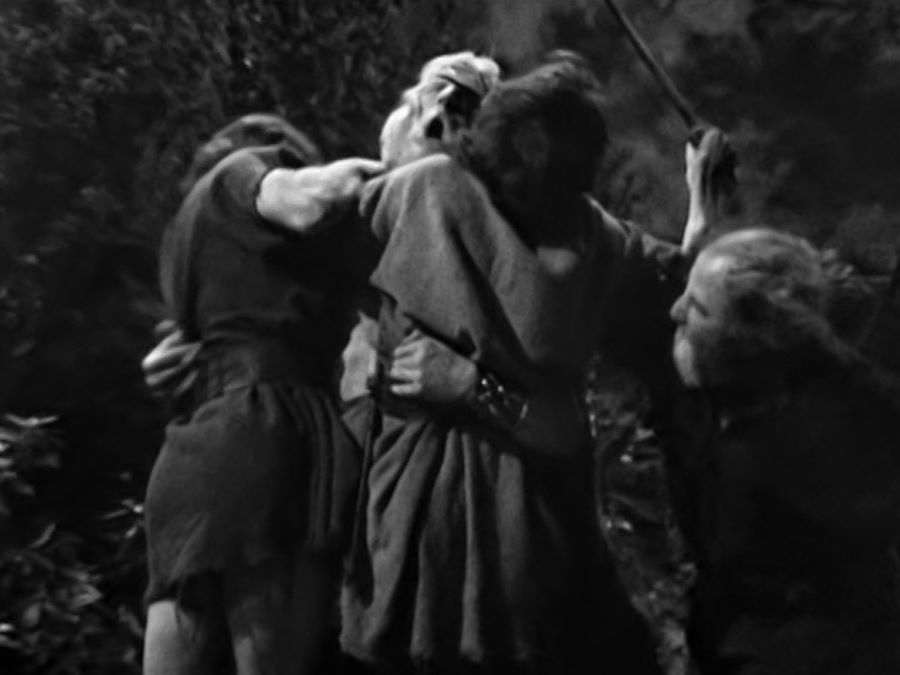
It’s clear that the fight was filmed live…and it doesn’t look to be well choreographed. This is strange, considering Douglas Camfield handled the fight scenes in ‘The Crusade’ rather well, especially when they were pre-recorded. Couldn’t the fight scenes in ‘The Time Meddler’ has been recorded on film?
This isn’t a big issue to talk about when discussing ‘The Time Meddler’ as a ‘Doctor Who’ story, but it’s uncharacteristic, even for a Douglas Camfield-directed story, since he’s very good on action scenes. Thankfully, this is made up in future stories like ‘The Daleks’ Master Plan’ and ‘The Invasion’. 🙂
You could easily be led to not think that ‘The Time Meddler’ was a ‘Doctor Who’ story directed by Douglas Camfield. It’s such a shame that there’s no behind-the-scenes making-of documentary on ‘The Time Meddler’ in the Season 2 Blu-ray box set, as that would’ve been very fascinating to watch.
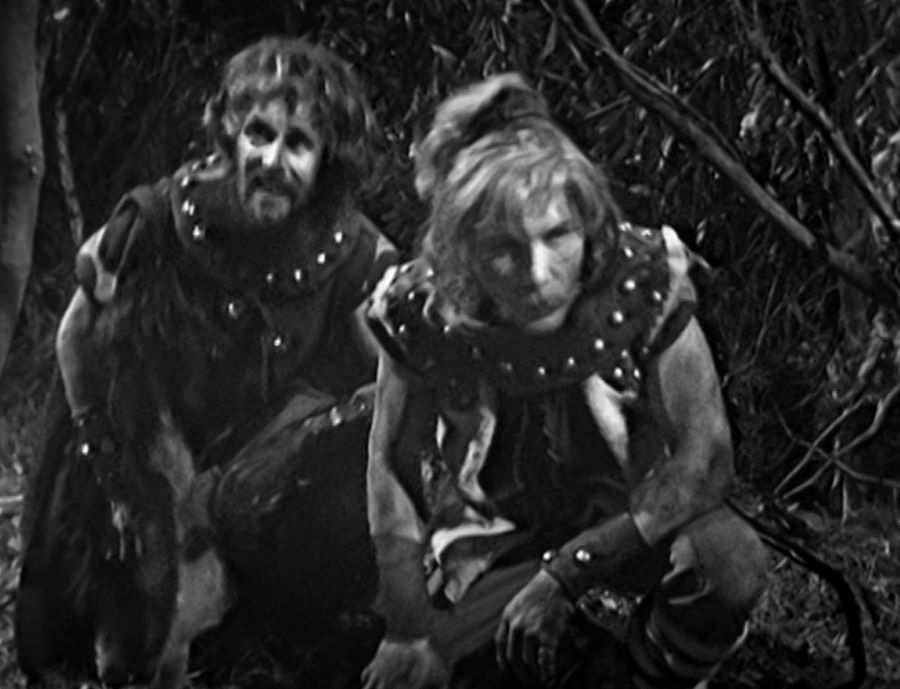
I’m not sure in terms of historical accuracy how the Saxons and the Vikings are handled in this story. I know I’ve criticised the Viking helmets having horns on their helmets, but in terms of the rest of those attributes, I like how the Saxons and the Vikings are portrayed in the story when seeing them.
If ‘The Time Meddler’ was in colour, maybe I’d appreciate what the Saxons and the Vikings wore in terms of clothes. You can’t appreciate the Vikings in their battle armour in black-and-white. Mind you, I’d prefer a colour version of this story that’s better than the one for the first ‘Daleks’ story made in 2023.
With the Vikings, as well as Ulf and Sven, there’s also Geoffrey Chesire as the Viking Leader, who only appears in the story’s second episode. If you thought the Viking helmet the Doctor, Vicki and Steven found was unusual, you should see what the Viking Leader wears upon arrival in this TV story.
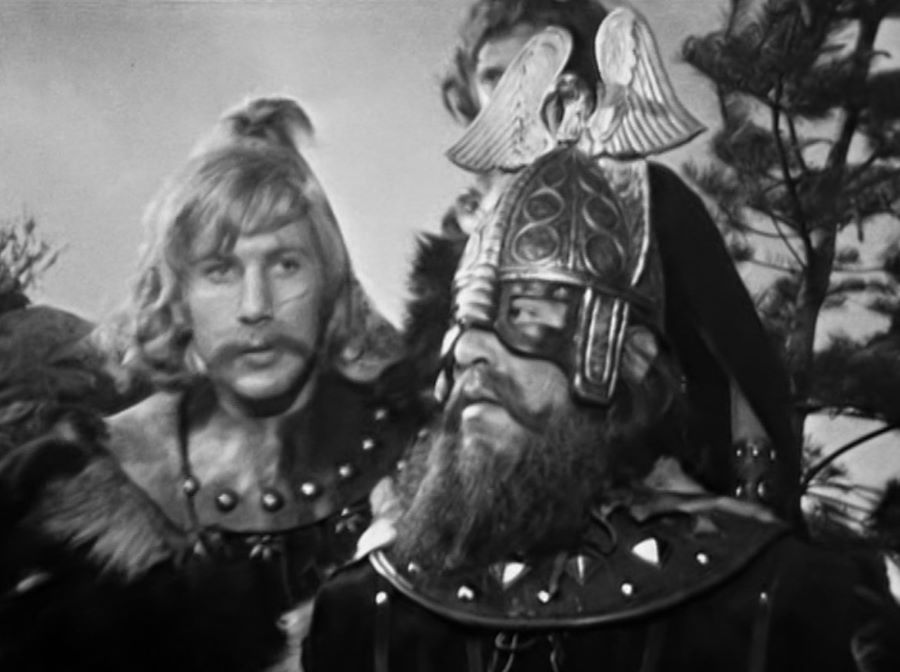
I mean, the helmet has a winged bird with huge winds on top instead of horns on each side of the helmet, which make it look ridiculous. 😀 There’s also Ronald Rich who plays Gunnar the Giant in this story. I can’t say much about him since he didn’t do much in this tale and he was killed quickly in the second episode.
And if you’re wondering if there’s more than one battle between the Vikings and the Saxons I mentioned in the story’s second episode, then I’m afraid I’d have to disappoint you there. I’m not counting the Saxons attacking the Vikings at the end. That was rather short-lived in the fourth episode.
It also doesn’t help much that there was like only a small group of Vikings that invaded Northumbria in ‘The Time Meddler’. Yes, yes, I know, the Monk was going to have beacon fires lit to summon the Viking fleet to Northumbria, but the budget must have been so small to allow more Viking costumes.
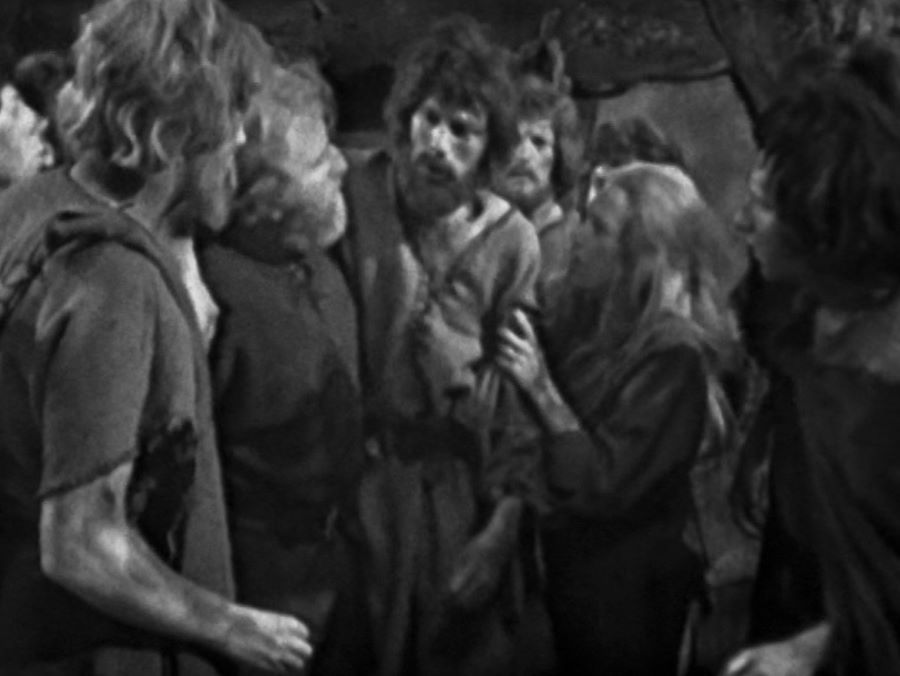
Speaking of which, whilst I’m not entirely sure about the historical accuracy of the Saxons and the Vikings featured in this ‘Doctor Who’ story, I do feel that the Saxons’ costumes are better than the Vikings. I was convinced the Saxons were believable in wearing quite ragged clothes in this TV story.
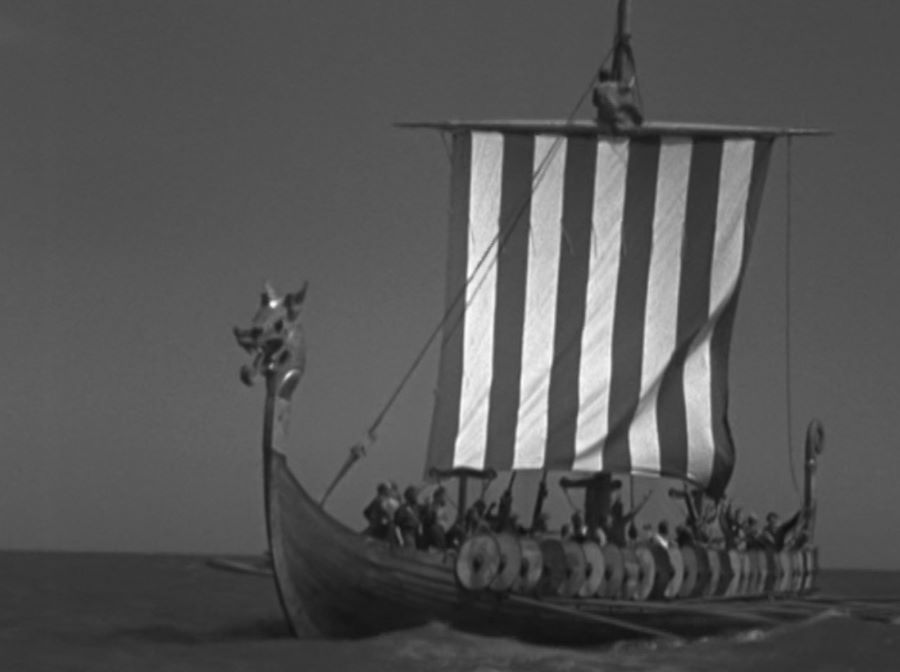
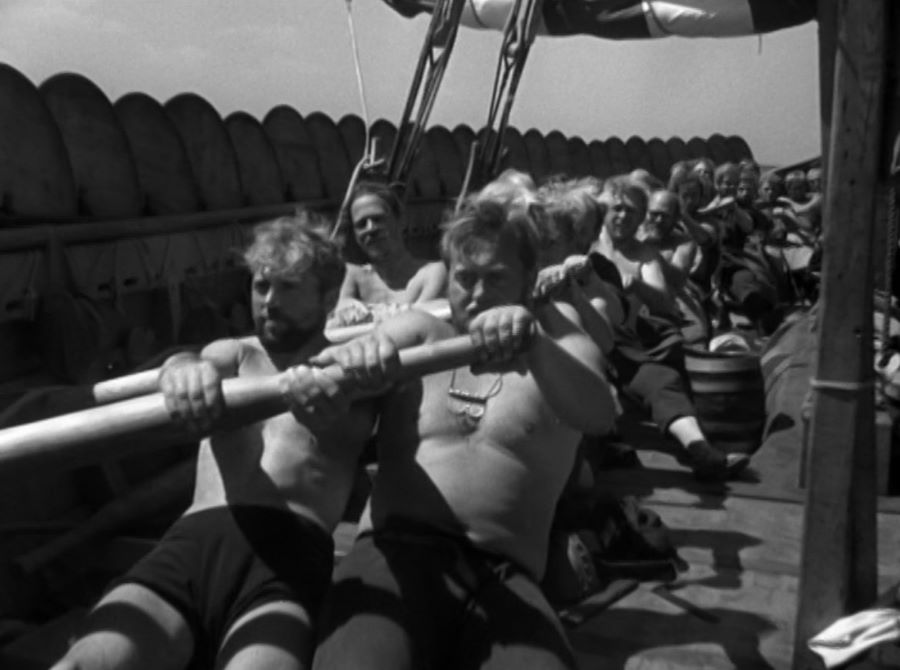
And we do get to have some spectacular shots of a Viking ship approaching Northumbria and of Vikings rowing the ship itself once the Monks uses his binoculars to see them coming in. Unfortunately, I have to disappoint you and say the shots were borrowed from another programme.
That programme in question was ‘The Landing of the Vikings’, which was made in 1949, apparently. You wouldn’t be able to tell it was from 1949, since the shots blend well with the 1965 footage. Although of course, that might have to do with the restoration process of this story on DVD/Blu-ray.
The story concludes with the Doctor, Vicki and Steven managing to evade captivity of the Monk when they’re saved by the Saxons. They’re happy to leave in the TARDIS, as they’ve become the new TARDIS trio. But of course, the Doctor has to sort out the Monk first and he does two things to do it.
Firstly, he removes the dimensional control unit from the Monk’s TARDIS. It was amusing and tense when Vicki and Steven wanted to know what was going on, as the Doctor warns them of the dangers and he tells them to go outside…and in a temper. 😀 I liked how overjoyed he is with removing the unit.
Secondly, he leaves a note for the Monk to read on top of the sarcophagus, which happens to be his TARDIS. I found it funny when the Monk read the Doctor’s note before he discovers what happens to his TARDIS, as it’s become shrunk to size. For a 1965 production, that’s a pretty good visual effect. 🙂
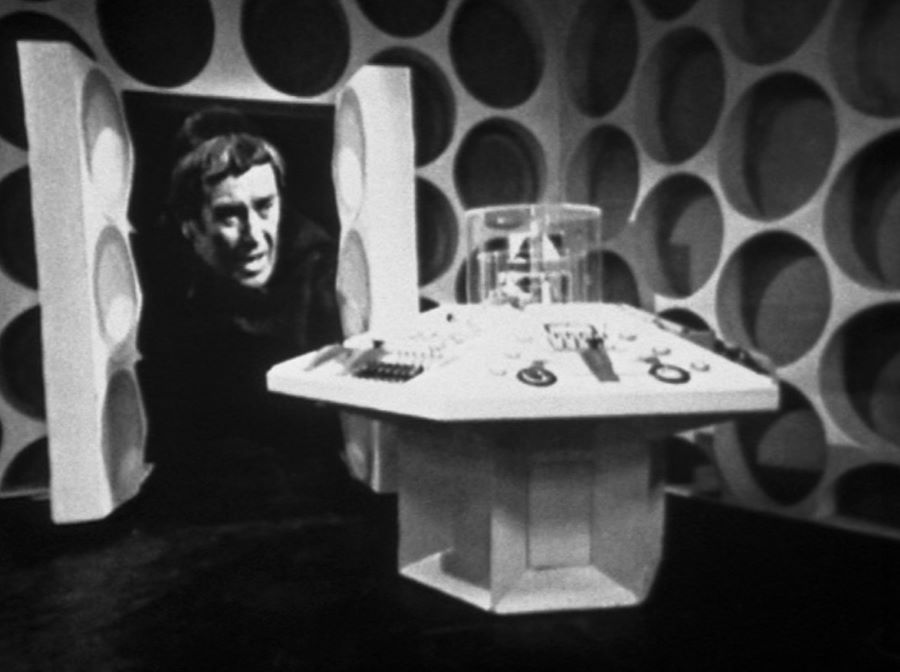
Monk: I’m marooned. Marooned!
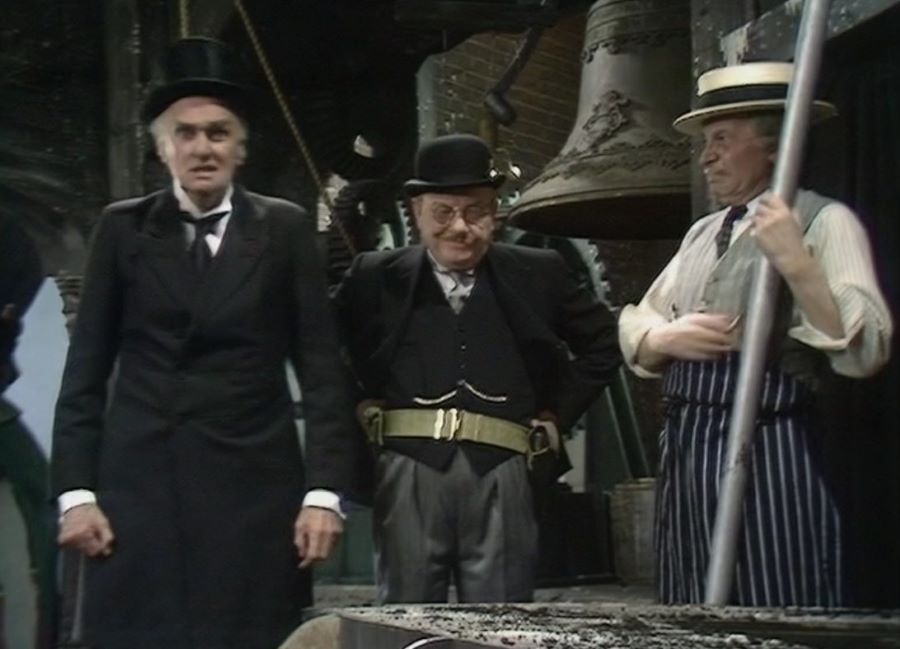
Frazer: We’re marooned, marooned!
That’s twice I’ve done a ‘Dad’s Army’ Frazer joke in two updated reviews on two classic ‘Doctor Who’ stories. The first was when I reviewed ‘The Horns of Nimon’ with “We’re doomed, doomed!” and here we are on ‘The Time Meddler’ with “We’re marooned, marooned!” How uncanny is that? 🙂
I couldn’t help but feel sorry for the Monk when it becomes clear to him that he’s stuck on Earth. He’s angry and upset, as he shouts out loud the Doctor’s name in distress three times. Ah well, at least he returns in the next season for ‘The Daleks’ Master Plan’ and in the Big Finish audio stories. 🙂
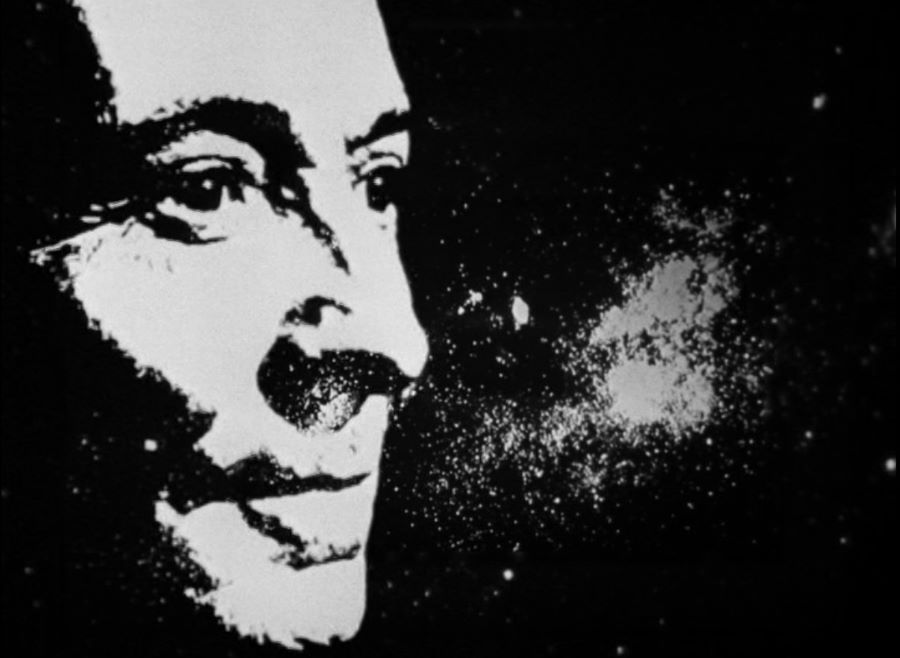
The end credits for the story’s fourth episode are quite interesting, especially when we see the faces of Steven, Vicki and the Doctor across a starfield. It’s something that isn’t done like that again in the William Hartnell era and it’s rather beautiful to see as well as being a fitting note to end Season 2 on.
When I purchased ‘The Time Meddler’ DVD in 2008, it was dedicated to the memory of producer Verity Lambert, who sadly died away in 2007. Like with ‘The Keeper of Traken’ DVD, I’m sad the transfer of the Verity Lambert dedication from ‘The Time Meddler’ DVD to the Season 2 Blu-ray box set wasn’t made.
The original DVD special features were as follows. There was a Verity Lambert obituary, which was a number of pages detailing the career of the first producer of ‘Doctor Who’. There was a Verity Lambert photo gallery, the dual mono sound audio mix option and an audio commentary with Peter Purves, producer Verity Lambert, story editor Donald Tosh and designer Barry Newbury, moderated by Clayton Hickman. There was an info-text commentary option to enjoy and the ‘Stripped For Action – The First Doctor’ documentary that looks into the comic book adventures of the First Doctor era. There was the original ‘The Lost Twelve Seconds’ featurette that looked into the missing footage from the story’s fourth episode, which has now been restored in the Blu-ray edition of ‘The Time Meddler’. There was a restoration featurette and a photo gallery of the story. There was a ‘coming soon’ trailer for ‘The Five Doctors’ 2-disc Special Edition DVD, starring Peter Davison, Patrick Troughton, Jon Pertwee, Richard Hurndall, William Hartnell, Tom Baker, Janet Fielding, Mark Strickson, Carole Ann Ford, Nicholas Courtney, Elisabeth Sladen and Lalla Ward, which is now included on ‘The King’s Demons’ Blu-ray disc in the Season 20 Blu-ray box set. And there was a ‘Radio Times Listings’ PDF of the story.
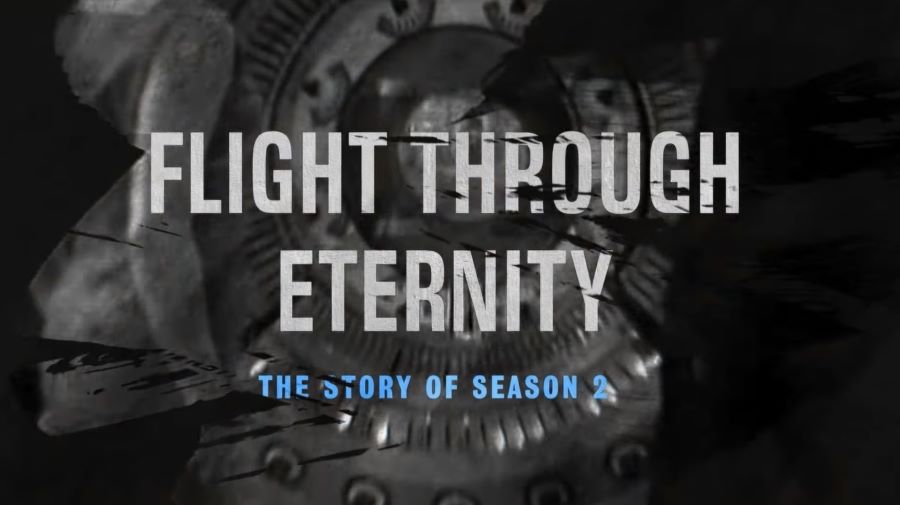
On Disc 9 of the ‘Doctor Who – The Collection – Season 2’ Blu-ray, the dual mono sound audio mix option, the DVD audio commentary, ‘The Lost Twelve Seconds’ featurette and the restoration featurette can be found on there. The info-text commentary option and the photo gallery have been updated for 2022 on the Blu-ray. Sadly, the Verity Lambert obituary, the Verity Lambert photo gallery and the ‘Stripped For Action – The First Doctor’ documentary aren’t included on ‘The Time Meddler’ Blu-ray disc.
The new special features on Blu-ray include the ‘Behind the Sofa’ feature on ‘The Time Meddler’ with Maureen O’Brien (Vicki), Peter Purves (Steven) and Carole Ann Ford (Susan) as well as Janet Fielding (Tegan), Wendy Padbury (Zoe) and Sarah Sutton (Nyssa) as well as Bonnie Langford (Mel) and Sophie Aldred (Ace). There’s a documentary on Season 2 of the classic ‘Doctor Who’ TV series called ‘Flight Through Eternity’, featuring behind-the-scenes cast and crew interviews with Carole Ann Ford, Maureen O’Brien, Peter Purves, director Richard Martin, script editor Donald Tosh, etc. There are BBC trailers and continuity announcements for the BBC Two repeat of ‘The Time Meddler’ in 1992, and there’s a ‘coming soon’ trailer for ‘Galaxy 4’, starring William Hartnell, Maureen O’Brien and Peter Purves.
On the PDF front, as well as the ‘Radio Times Listings’ of ‘The Time Meddler’, there are production documents, four camera scripts, studio floorplans for all four episodes of the story and photographer John Cura’s telesnaps. You need a special Blu-ray computer drive for that.
‘The Time Meddler’ is a very enjoyable story from the William Hartnell/First Doctor era of ‘Doctor Who’ and a fitting finale to Season 2 of the classic TV series. It marks a change in the TV show’s history, particularly with the introduction of Peter Purves as ‘Doctor Who’ companion Steven Taylor.
It also marks a closure to producer Verity Lambert’s era of the TV series since she started on the show from the very beginning. ‘The Time Meddler’ takes ‘Doctor Who’ in a new direction, especially with the introduction of the Monk. I’m very fond of this story, as it’s one of the finest and delightful.
William Hartnell is equally superb as the Doctor along with Maureen O’Brien as Vicki. The Doctor’s scenes with Peter Butterworth as the Monk are equally delightful. If you need a ‘Doctor Who’ story to showcase the best of the William Hartnell/First Doctor era overall, ‘The Time Meddler’ is the one.
As for Season 2 overall, there’s no doubt in my mind that this, out of the three seasons William Hartnell as the Doctor, is the best one. What I particularly like about Season 2 of the classic series is its willingness to be inventive with a variety of storytelling for audiences – young and old – to enjoy.
That’s mainly thanks to Dennis Spooner’s contribution to the TV series when he took over as script editor from David Whitaker. Dennis’ style of wit and humour help to compliment the stories he script-edits and it’s no doubt that it inspired many of the stories that would come after his season. 🙂
In my opinion, ‘The Romans’ is one of the best ‘Doctor Who’ stories Dennis Spooner wrote and one of my favourites. Yes, people are bound to criticise its comedic flavour, but I enjoyed it for the fact it tried to do something different with the approach of telling an historical tale with a comedic tone. 🙂
In a similar manner, ‘The Time Meddler’ did the same thing, except with introducing a new element to make it a pseudo-historical story by including the Monk. It would start a chain of what would come with future historical adventures with sci-fi elements involved to make it way more intriguing.
‘The Chase’ is another favourite story of mine from Season 2 of the classic TV series, and I prefer it more over ‘The Dalek Invasion of Earth’, especially with its ability to provide a variety of fantastical story elements set both in the past and the future, which I have included in my own series of stories.
‘The Rescue’ is a good introduction to Vicki’s character, ‘The Web Planet’ is a fascinating endeavour of an alien world being explored and ‘The Crusade’ works well as a thrilling pure historical story. Sadly, ‘Planet of Giants’ and ‘The Space Museum’ are considered the weakest entries in this season.
It should be noted that Verity Lambert is the driving force that kept the classic series together in its first two seasons. Sydney Newman, the Head of BBC Drama, might have originated ‘Doctor Who’, but without her, the series wouldn’t be where it is today and it’s no surprise she was very successful.
William Russell and Jacqueline Hill were also good influences in Season 2, particularly as the stories they were in, barring the last one, showcase their journey in being time-travellers to eventually leaving. Maureen O’Brien and Peter Purves also provide good presences to keep the TV series going.
But of course, it’s William Hartnell who should be commended for his efforts in playing the Doctor by this stage in the series. Yes, there were issues with him as an actor, but his drive and enthusiasm to play the Doctor and taking the show as seriously as he did emphasises how much he loved the role.
Season 2 showcases the best of William Hartnell’s Doctor. Whilst he would continue to have more thrilling and exciting stories in Season 3, it’s my opinion that Season 2 demonstrates his happiest period of being in the TV show, especially with enjoying the company of Verity Lambert as producer.
But of course, Verity Lambert’s time as the producer is over here and William Hartnell decided to preserve in playing the Doctor for the next season. He had Maureen O’Brien and Peter Purves to help him along at first, but his relationship with the new producer wasn’t as smooth as with Verity.
That’s just the tip of the iceberg though, as William Hartnell’s third season would endure a series of multiple changes, both in terms of the turnover of companions leaving and new ones coming in. There were also changes in production members too. Would our lead actor survive these changes?
‘The Time Meddler’ rating – 8/10
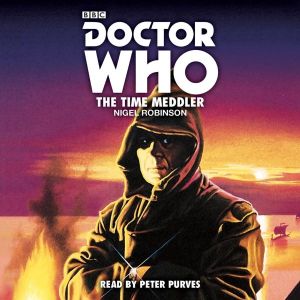
‘DOCTOR WHO – THE TIME MEDDLER’
Please feel free to comment on my review.
Nigel Robinson’s Take on the Season 2 finale of the classic ‘Doctor Who’ TV series
That’s not Peter Butterworth on the front cover of the novelization and the audiobook. 😀
I hadn’t planned on checking out and reviewing the Target novelization/audiobook of ‘The Time Meddler’ by Nigel Robinson for my revisit of Season 2 of the classic ‘Doctor Who’ TV series via its Blu-ray box set. But I soon decided “Why not?” and so, I ventured forth to check out the book/audio.
It’s been nice to conclude my look into Season 2 of the classic ‘Doctor Who’ TV series by checking out the Target novelization/audiobook of ‘The Time Meddler’. After all, ‘The Time Meddler’ is a highly regarded TV story in the William Hartnell/First Doctor era. Would it be the same in print/audio?
‘The Time Meddler’ Target novelization was first published in 1987, twenty-two years after the TV story was transmitted on BBC One in 1965. It was later reprinted in paperback in 1992. When I purchased the Target novelization from Amazon.co.uk, I received the 1992 reprint novel in the post.
It was nice to receive the 1992 reprint edition, and it was especially interesting to discover the book had the red hexagonal flash reading NOW BACK ON TELEVISION on the front cover. Apparently, the reprint book was rushed into publication to coincide with the 1992 repeat TV screening on the story.
That was on BBC Two by the way. I know this for a fact that the TV story was repeated on BBC Two in 1992 from checking out the BBC trailers and continuity announcements on ‘The Time Meddler’ Blu-ray disc in the Season 2 Blu-ray box set. I would’ve been about 3 years old at the time of its repeat. 🙂
Another indicator that the 1992 reprint of the Target book was rushed is the fact that Jeff Cummins’ cover artwork for the 1987 book was reused for the reprint, but for unknown reasons, the image is reversed. The Monk is also shown to be wearing his watch on his right wrist instead of the left wrist.
Nigel Robinson of course novelised the original TV scripts by Dennis Spooner into prose form for the Target novelization range. This isn’t the first time I’ve come across Nigel Robinson as a ‘Doctor Who’ writer, since he’s the author of the first ‘Destiny of the Doctor’ audio story called ‘Hunters of Earth’.
That was for ‘Doctor Who’s 50th anniversary celebrations and was released in January 2013. He’s written more audio stories for Big Finish as well as a couple of Virgin book adventures, including ‘Timewryn: Apocalypse’, and he penned three more Target novelizations of the ‘Doctor Who’ series.
For the most part, Nigel Robinson has done a very good job in terms of novelizing Dennis Spooner’s original TV scripts into prose form. The story in book form reasonably matches to what was shown in the TV story, with noticeable additions and changes in the second half, which we’ll get to later on.
Quite fittingly, the audiobook is read by Peter Purves, who played Steven Taylor in the ‘Doctor Who’ story as well as in the TV series and the Big Finish audios. I enjoyed Peter’s reading of the story and it was terrific to hear him voicing William Hartnell’s Doctor, getting his inflections and persona spot on.
I purchased the Target audiobook via Audible. The audiobook was released in 2016. The ‘Doctor Who’ logo looks very different on the audiobook’s cover compared to the 2018 and 2023 logos. 😀 It was nice to hear the audiobook in the background whilst reading the Target novelization in my hands.
The contents of the book are as follows. The story is divided into 11 chapters with a prologue at the beginning and an epilogue at the end. The prologue basically contains a recap of what happened to Steven at the end of ‘The Chase’ and depicts how he managed to get in the TARDIS in the first place.
I know I criticised about the TARDIS not being locked when Steven got into the TARDIS in my review for the TV story, but at least the novelization makes it a little clearer that he managed to get into the TARDIS once the doors were opened for him. Indicating the TARDIS wilfully allowed him to enter, perhaps?
One of the continuity elements that’s rather noticeable when checking out the Target novelizations in chronological order is that in ‘The Time Meddler’ novelization, Steven has his panda mascot called HiFi. Yet, in the novelization for ‘The Chase’, HiFi doesn’t feature in that story at all, which is bizarre.
Then again, ‘The Time Meddler’ novelization was first published in 1987 whereas ‘The Chase’ novelization was published in 1989. Clearly John Peel didn’t do his research when novelizing ‘The Chase’ and checked whether Nigel Robinson included HiFi in his ‘Time Meddler’ novelization or not.
A peculiarity of the novelization is that the first three chapters cover the first episode, and the second three chapters cover the second episode. But Chapters 7 and 8 cover the third episode whilst Chapters 9 to 11 and the epilogue cover the fourth episode. You might think that’s not very peculiar.
But usually in the Target novelization structure, usually by Terrance Dicks, it’s the first three chapters for the first episode, the second three chapters for the second episode, the third three chapters for the third episode, and the fourth three chapters for the fourth episode. It’s the pattern.
So, it was intriguing how Nigel Robinson handled the novelization process by dedicating more chapters to the first, second and fourth episodes than to the third episode. Mind you, the chapters for the third episode are quite lengthy, so I suppose it’s quite a relief they weren’t rushed through. 🙂
The changes in the Target novelization compared to the TV story are more cosmetic than narrative. For example, the bars of the Monk’s trap in the monastery for the Doctor are made from rusted iron rather than pared wood. The Monk’s concern about the Doctor’s health and safety is non-evident. 😀
A confusing aspect in both the TV story and the Target novelization is the Doctor and the Monk said to recognise each other instantly. It isn’t strictly contradicted in the TV story, but it isn’t supported by it either. The Doctor’s comment about being ‘fifty years earlier’ than the Monk is all we can go on.
Yet in ‘The Daleks’ Master Plan’, the Monk states that he and the Doctor knew each other. I’m sure there are stories like ‘Divided Loyalties’ and the introduction in ‘A Sparkle of Doctors, Volume 1’ by the Divergent Wordsmiths that establish that the Doctor and the Monk know each other really well.
It does get confusing concerning how the Doctor and the Monk know each other in ‘The Time Meddler’, complicated further when the Monk’s TARDIS is a Mark 4 whilst the Doctor’s TARDIS is later revealed to be a Type 40. I don’t think the novelization clarifies these details to a great extent.
Considering the Doctor and the Monk are essentially Time Lords, I’m surprised it wasn’t evident in the book, like when John Lucarrotti had the Time Lords featured in his novelization for ‘The Massacre of St. Bartholomew’s Eve’. Then again, Nigel Robinson kept true to the spirit of the original TV story. 😐
Going back to cosmetic aspects of the novelization, the Monk cooks the Doctor’s breakfast in the second episode’s segment of the story by using a Baby Belling stove, a non-stick frying pan, a rusty toaster and stainless steal spatula, all the while whistling a tune that won’t be written for nine centuries.
I’m surprised the Monk didn’t whistle ‘Whistle While You Work’ when cooking the Doctor’s breakfast. After all, the Disney film ‘Snow White and the Seven Dwarfs’ won’t be released in 1937. It’s such a shame the tune the Monk whistled wasn’t clearly specified in the novelization/audiobook.
The breakfast meal is toast, eggs, bacon (with the option of tomato sauce) and a side of instant coffee. Hmm. Yummy. 😀 I know it’s not clearly established in the TV story, especially with it being in black-and-white, but I’m very happy the Target novelization clarifies what was on the breakfast tray.
Also, you could easily be mistaken that the meal thrown back in the Monk’s face in the TV story by the Doctor was a large amount of water. I assumed it was the breakfast items being thrown back in the Monk’s face in the TV story, but it was in black-and-white, and the moment is so fleeting at best.
There’s a moment in the third episode segment of the story in book form that I really like. 🙂 It’s when Vicki says, “You don’t know what the TARDIS meant to me…” and she goes on to explain to Steven how much the TARDIS has become her home following the tragic death of her father in ‘The Rescue’.
This is much better in the book version of the story compared to when Vicki said in the TV story “You don’t what the TARDIS meant” and just stopped there. She could have been criticising Steven for not understanding that the TARDIS stood for Time and Relative Dimensions In Space in that moment. 😀
I mean, it’s a very unusual moment for Vicki in the TV story, even after the tide came in and the TARDIS disappeared. It’s like the script had the rest of that dialogue of Vicki explaining to Steven how much the TARDIS means to her, but it couldn’t be recorded since there wasn’t enough time to have it filmed.
I wish the dialogue of Vicki mentioning her family, including her father and mother and going to Astra in ‘The Rescue’, was included in the TV story. It would have strengthened Vicki and Steven’s relationship more, especially when they were getting to know each other and Steven learnt more about the TARDIS.
Equally in the fourth episode segment of the story, there’s extra dialogue between the Doctor, Vicki and Steven where they discuss the Monk’s plan to destroy the Viking ships to change the fate of the Battle of Hastings. In the TV story, Vicki and Steven discuss the Monk’s plan accordingly, as you’d expect.
In the book though, the Doctor interrupts Vicki and Steven and describes what the Monk’s plan will do to them. Since Vicki and Steven are English, the Doctor states clearly if the Monk succeeds in his plan, they will never exist, as without the Vikings, it’s possible one of their ancestors was Norman.
If that ancestor was killed, they wouldn’t exist. Like the extra dialogue for Vicki in the third episode segment of the story, it would have been nice to have included this dialogue for the Doctor to emphasis how serious the Monk’s meddling is and the implications of what will occur if he succeeded.
Once the Doctor, Vicki and Steven are freed by the Saxon woman Edith, the Doctor instructs Vicki and Steven to remove everything from the monastery that doesn’t belong in 1066. This includes the gramophone, of course. 😀 This is so that everything is exactly as it was before the Monk arrived in the monastery.
I like how this gets established in the Target novelization, since it wasn’t given much focus in the TV story and it matches to the First Doctor’s line of “You can’t rewrite history! Not one line!” from ‘The Aztecs’. After all, the First Doctor is resilient in being an observer and not to interfere with history. 🙂
This is emphasised further when the Doctor instructs Steven to remove the atomic cannon from the cliff edge. This is after the Doctor stole the Monk’s dimensional circuit from his TARDIS and Steven carries the atomic cannon from the cliff edge when he, Vicki and the Doctor return to the TARDIS. 😀
Apparently, the Monk took a while longer to get back to the monastery, according to the epilogue. After the Vikings – Ulf and Sven – were killed by the Saxons, the Monk makes several additional efforts to change the outcome of the Battle of Hastings, but of course, these all avail to total failure.
Eventually, the Monk returns to the monastery and discovers the Doctor has marooned him in 1066. I like how the book ends with the Monk crying, hatefully, “You haven’t heard the last of me, Doctor! I’ll repair my time machine one day, and I swear I’ll make you pay! One day, Doctor, one day!” Good. 🙂
It matches to the Monk’s declarations of vengeance in ‘The Daleks’ Master Plan’ when the Doctor would maroon him in the freezing cold of a planet of ice. I’m surprised the epilogue didn’t include a summary of what happened to the Monk in ‘The Daleks’ Master Plan’ following ‘The Time Meddler’.
‘The Time Meddler’ Target novelization/audiobook has been great to check out. It was very satisfying to read and listen to, especially with Peter Purves reading the story in the audiobook. Nigel Robinson has done a very good job in novelizing Dennis Spooner’s original TV scripts into prose form.
It’s a shame that extra dialogue for scenes like Vicki sharing to Steven what the TARDIS means to her and the Doctor explaining the consequences of the Monk’s plan to Vicki and Steven aren’t included in the TV story. But I’m so glad they’re in the novelization/audiobook to be enjoyed in their entirety.
‘Doctor Who – The Time Meddler’ rating – 8/10
| The previous story
For the First Doctor was For Vicki was For Steven was |
The next story
For the First Doctor is
For Vicki is
For Steven is
|
| Return to The First Doctor’s Timeline | |
| Return to Vicki’s Timeline | |
| Return to Steven’s Timeline | |
| Return to The Doctors’ Timelines Index | |
| Return to The Companions’ Timelines Index | |
| Return to Doctor Who Timelines | |
| Return to Doctor Who | |
| Return to Sci-Fi |
 Bradley's Basement
Great story with a wonderful magical performance by William Hartnell.
LikeLiked by 1 person
Thanks Timelord Simon. Yes William Hartnell is superb as the Doctor in this. I enjoyed his scenes when he faces Peter Butterworth as the Monk! Tim. 🙂
LikeLike
Another of my favourite First Doctor stories, William Hartnell’s performance is magical in this one & Peter Butterworth as the Meddling Monk adds a likeable charm to the character.
Brilliantly reviewed Tim.
LikeLiked by 1 person
Hi Simon,
Thanks for sharing your thoughts on ‘The Time Meddler’. Glad you enjoyed my review on the story. Yes, William Hartnell’s performance as the Doctor is good here and I enjoyed Peter Butterworth as the Monk. I look forward to revisiting this ‘Doctor Who’ story soon in the Season 2 Blu-ray box set.
Many thanks for your comments.
Tim 🙂
LikeLike
There was an effort in early novelisations to try and preserve the “surprise” of the Doctor being revealed as a Time Lord. A sentiment carried across to a lot of expanded universe material that frowns upon the reference in that era of the programme.
Ironically, John Lucarotti would defy this trend himself in The Massacre, but only The Massacre. Using a retired version of the Doctor — not necessarily the Hartnell Doctor, but potentially another incarnation — to contextualise the events in Paris. Had it happened on television as in the novelisation, it would’ve marked a watershed for the Doctor’s character. His first instance of deliberate interference in history.
Nigel Robinson, bless, maintains that obfuscation. The Doctor and the Monk know each other. End of. And that’s all The Time Meddler really needs. What’s interesting is how Robinson uses his knowledge, as the Target range’s editor, to contextualise these characters.
The novelisation makes the smart decision to actually begin during the end of The Chase. Introducing us to Steven in a manner reminiscent of Terry Nation’s writing. Battered, burnt and half-crazed from the City’s destruction. Vicki’s backstory is writ large in an age where audiences likely knew little of the character. We even get a moment to mourn the departure of Ian and Barbara (who we would’ve last seen in the novelised The Rescue).
It’s a very generous, very caring novelisation. Published in 1987, where criticisms of Doctor Who becoming too worshipful of its past were rearing its head, it makes a leisurely job of informing the reader of the who, where and what of matters. It wants you “in” on the details. Not locked outside because of them.
I like the story a lot. For the most part, it’s a romp and the first tale to really discuss history as a malleable concept. Something that can be changed. A stark contrast to the inflexibility of Whitaker’s interpretation. Doctor Who will take aboard both interpretations and create an amalgam. Things can be changed for personal gain, but only by a grave misuse of power.
I say “for the most part”, as well, because… There is a subplot in The Time Meddler that previews ideas to come under Tosh’s tenure. The character, Edith, is implied to be assaulted by one of the Vikings. A violation answered, later, with two killings in retribution.
This type of content isn’t a first for Doctor Who. The Keys of Marinus implied a horrific fate for Barbara in Vasor’s snow-swept cabin. If Ian and Altos hadn’t survived the wolves, she could only have fought him off for so long. The Time Meddler, however, removes the terror of that “if”. It turns it into “when”. Terror turns into horror.
When the Doctor is imprisoned by the Monk, horrific things happen to others. We’ll see this idea, fully-formed, in the televised version of The Massacre. Every story — barring Galaxy 4 (an unusual oddity) — will build up to it. Tonally, this story feels far more like the threshold between two eras than The Rescue really did.
This is the last of Spooner’s lightsome fun. Where humour disguises some quite grizzly truths (the Monk, for his comically-oversized checklist, is plotting mass murder). And yet…
And yet.
This is the most cheerful Doctor Who will be in quite some time.
I don’t think we’ll really get back to this tone until… Maybe Pat Troughton’s last year? Maybe? What a strange dichotomy, right? It’s a story that does so many things, all at once, and somehow doesn’t feel inconsistent for it.
LikeLiked by 1 person
Hi Wolfie,
Thanks for sharing your thoughts on the Target novelization and the TV version of ‘The Time Meddler’. I think the only other time I’ve come across a First Doctor era story where the reveal of the Time Lords and Gallifrey are mentioned is ‘A Big Hand For The Doctor’ by Eion Colfer, and that’s a story I’m not really impressed by. I like how the novelizations begins with Steven from the end of ‘The Chase’, even if the continuity between novelizations doesn’t match together regarding HiFi. 😀 This is the first time I’ve come across one of Nigel Robinson’s novelizations in ‘Doctor Who’ and it’s interesting that he was the editor of the Target novelization range at the time. I hope to check out more of his stuff, particularly ‘The Underwater Menace’ novelization.
It’s interesting about Edith being assaulted by one the Vikings. I don’t think the implications of that are exemplified clearly in the TV story, but they are in the Target novelization, especially when Wulnoth declares on the lines of “This is for what you did to my wife” before killing Ulf and Sven. Interesting how you connect this violation to a story like ‘The Keys of Marinus’ with Barbara being attacked by Vasor in the snowy part of Marinus and how it predates what’s to come in Season 3 under Donald Tosh’s supervision as script editor of the TV show. It’s very easy for a story like ‘The Time Meddler’ to disguise the horror aspects with humour, particuarly when the Monk is about to commit mass murder in an attempt to make things better for humanity (or so he claims).
Many thanks for your comments.
Tim 🙂
LikeLike