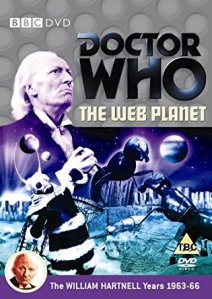

‘THE WEB PLANET’
Please feel free to comment on my review.
Menoptera, Zarbi et al on Vortis with the First Doctor, Ian, Barbara and Vicki
For William Russell

It’s time for what is arguably a very ambitious ‘Doctor Who’ story in Season 2 of the classic TV series. It probably broke boundaries in terms of what a UK TV show could do on a 1960s budget as well as attempting to present us with a strange alien world that is unlike anything we had seen beforehand.
Strap in, as we visit the planet Vortis in the six-part adventure called ‘The Web Planet’. Although this is the only time that the Doctor would visit Vortis in the TV series – both classic and new – so far, the planet would reappear in future stories. This includes from annuals, in books, comics and on audio. 🙂
‘The Web Planet’ is a story by Bill Strutton, who provides his first and only contribution to the TV series. He’d later novelize ‘The Web Planet’ as ‘Doctor Who and the Zarbi’ alongside David Whitaker’s novelizations of ‘The Daleks’ and ‘The Crusade’ before they received their Target reprints.
Bill Strutton did submit a script for the Third Doctor era called ‘The Mega’ which sadly didn’t get produced on TV but was later produced as an audio production, adapted by Simon Guerrier, for ‘The Lost Stories’ audio range of ‘Doctor Who’ by Big Finish in 2013. I’ve yet to check out that audio story.
As the fifth story in Season 2 of the classic ‘Doctor Who’ TV series, ‘The Web Planet’ is quite a contrast compared to the previous story ‘The Romans’, which was a comedy. It’s a story with dark undercurrents, despite it being about a planet inhabited by giant insects like Zarbi and Menoptera. 🙂
There are echoes of the first ‘Daleks’ story featured in ‘The Web Planet’. This especially concerns when the story deals with an oppressed society in the Menoptera (and the Optera) who stir an insurrection against their oppressors, which includes the Zarbi, the Larvae Guns and the evil Animus.
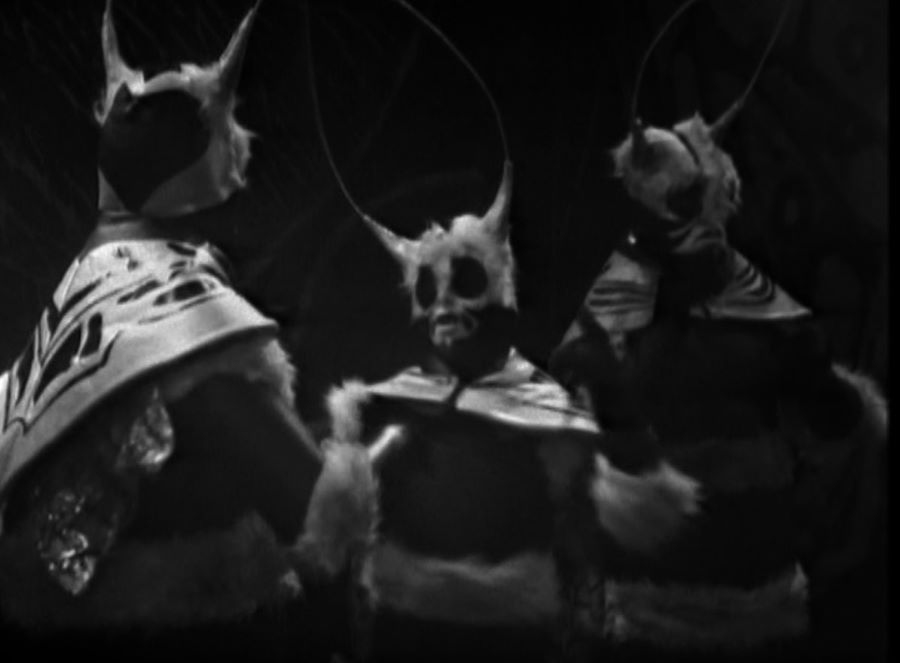
This sort-of matches the Thals in how they were oppressed by the Daleks in the first ‘Daleks’ story. I know there are differences between the two and there are clearly production problems concerning how this story was made in its output, but it was fascinating to see in viewing and revisiting the tale.
Once again, William Hartnell as the Doctor, William Russell as Ian, Jacqueline Hill as Barbara and Maureen O’Brien as Vicki become involved in the events of this planet’s activities once the TARDIS is drawn to Vortis. They help the Menoptera in their cause to oppose the Animus before leaving Vortis.
I have come across people saying that ‘The Web Planet’ is one of the worst ‘Doctor Who’ stories to be featured in the William Hartnell/First Doctor era, which I personally don’t entirely agree with. It’s not a great story and I think it required more ‘oomph’ in order to make it dynamic and very exciting.
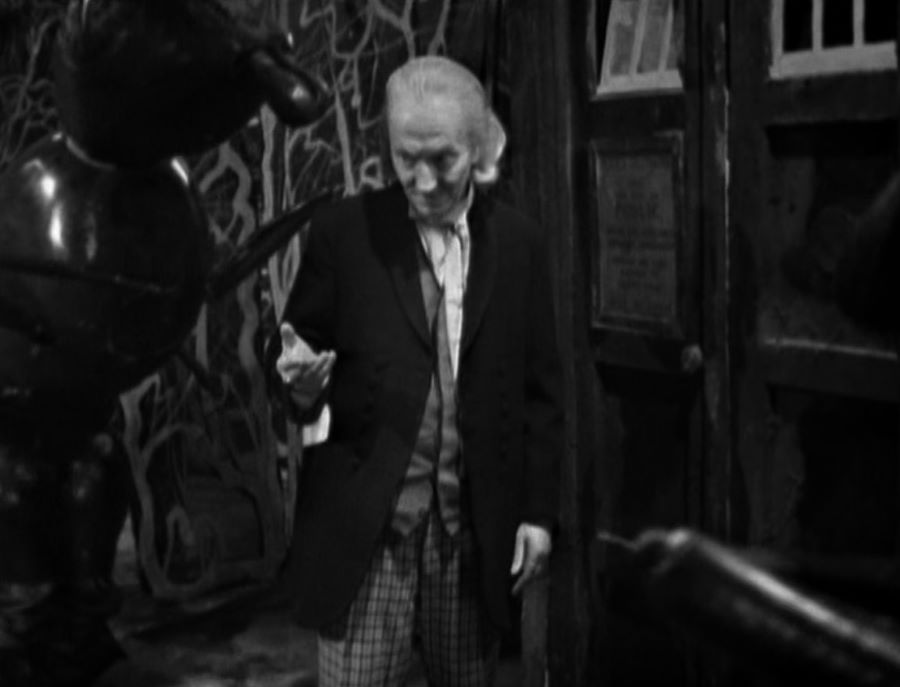
It’s a very surreal story, no doubt, but there are plenty of interesting ideas to be found when watching ‘The Web Planet’. I like how Bill Strutton delivers those ideas in the story and how they’re executed on screen. It makes me reflect how the story would work nowadays than how it was done back then.
Like I said, the story has the Doctor and his friends Ian, Barbara and Vicki inside the TARDIS and being ‘dragged down’ to the web planet of Vortis. Incidentally, just because the story is called ‘The Web Planet’ doesn’t mean there’s actual spiders in it. Well, not really. I’ll explain what I mean later.
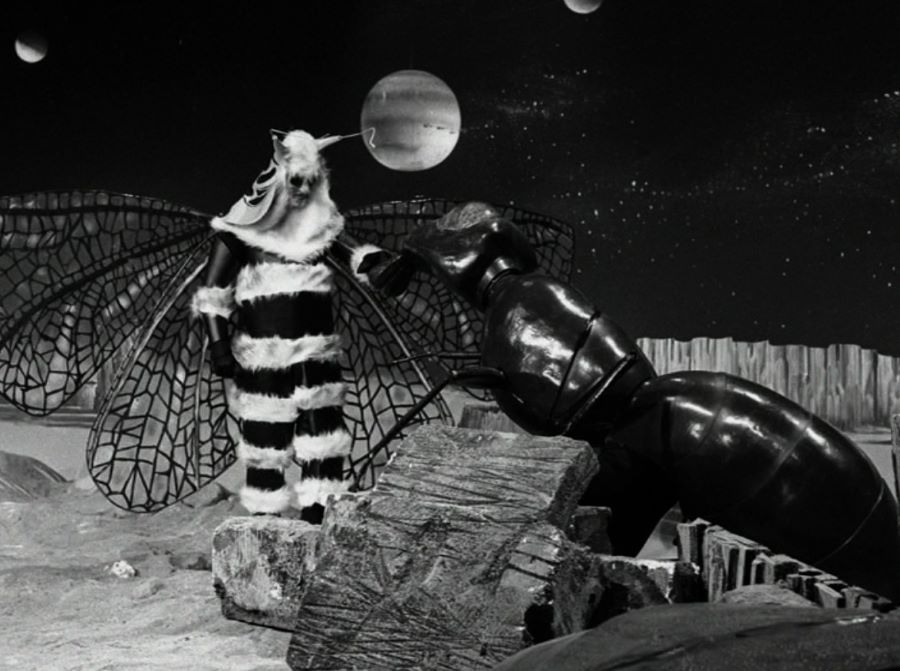
Instead, the web planet is occupied by large insects. This includes the aforementioned ant-like Zarbi (or are they like termites?), the butterfly or moth-like Menoptera, the wormlike Larvae Guns (also called Venom Grubs in some cases) and the semi caterpillar/woodlice-like Optera. An unusual bunch.
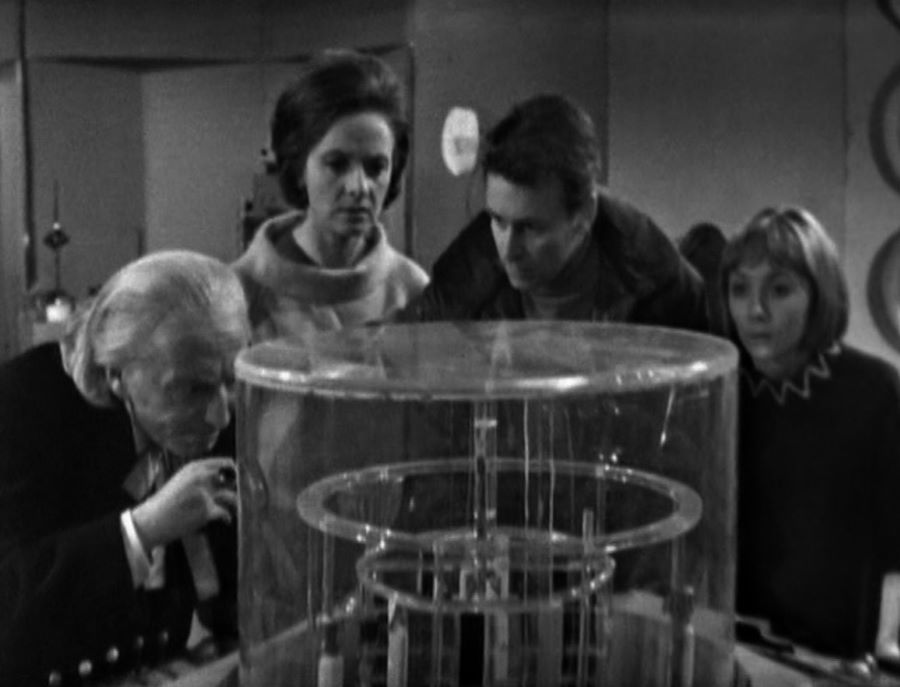
When the Doctor and his friends visit and explore Vortis, they learn the planet has been taken over by a dark power known as the Animus (which is spider-like and parasitic in many respects – more on that later on). Our heroes must do all they can to assist the Menoptera and save their homeworld. 🙂
In some respects, I greatly enjoyed the concept of an alien world being filled with large insects. My Mum’s not so keen on the idea, especially as she doesn’t like insects herself. 😀 But it’s so fascinating how Bill Strutton is able to create Vortis as an alien world with the Zarbi, Menoptera et al living on it.
The supporting characters featured in this story have their own language or way of speaking as well as their own history. It was unusual to hear the Menoptera speaking in lithe and flute-like tones as well as see them move their hands about when they talked to make them seem rather butterfly-like.
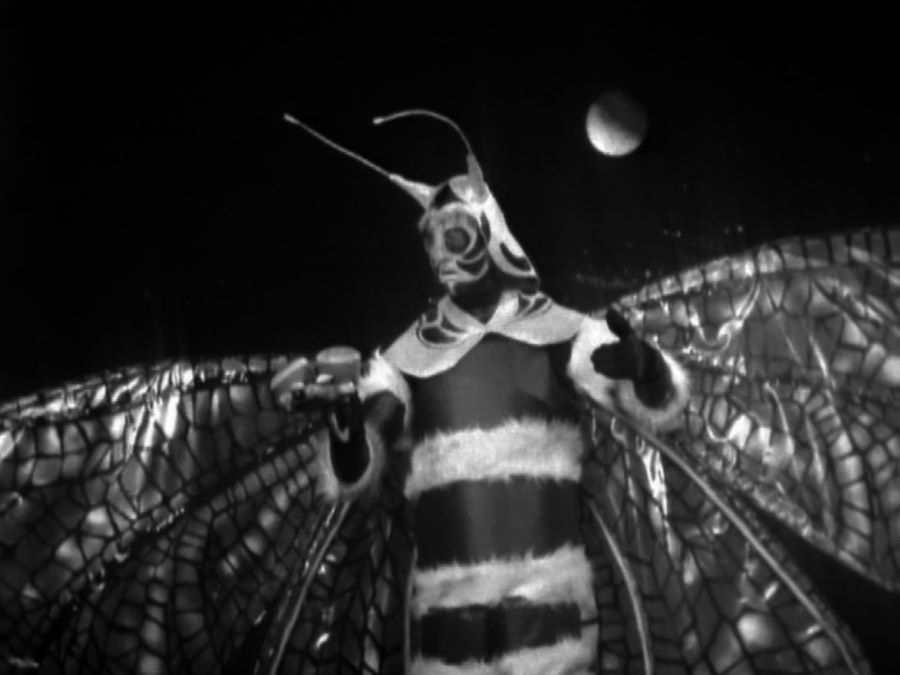
The Menoptera also have an unusual way of talking and saying people’s names. For example, when the Menoptera interact with Ian, Barbara and Vicki, they don’t exactly pronounce their names like we do. They call Ian ‘Heron’, they call Barbara ‘Harbara’ and they call Vicki ‘Hicki’. I find this amusing.
I like how that trait gets carried forward in the Big Finish audio story called ‘Return to the Web Planet’ where Nyssa is called ‘H’Nillsa’ by the Menoptera characters in that. I suppose should Billy Walker from my ‘Fifth Doctor’ series visit the planet Vortis at all, he would be called ‘Hilly’ instead. 😀
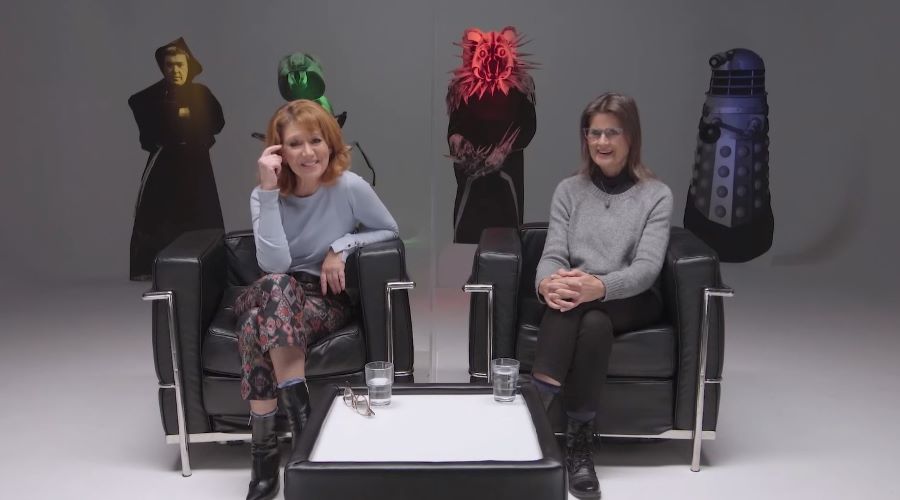
The world of Vortis is unusual and surreal, especially when we’re outside and there’s a blurry texture when we’re seeing the characters on-screen. I’m glad it wasn’t me that wondered about that, as Sarah Sutton herself questioned the blurs when viewing ‘The Web Planet’ in its ‘Behind the Sofa’ item.
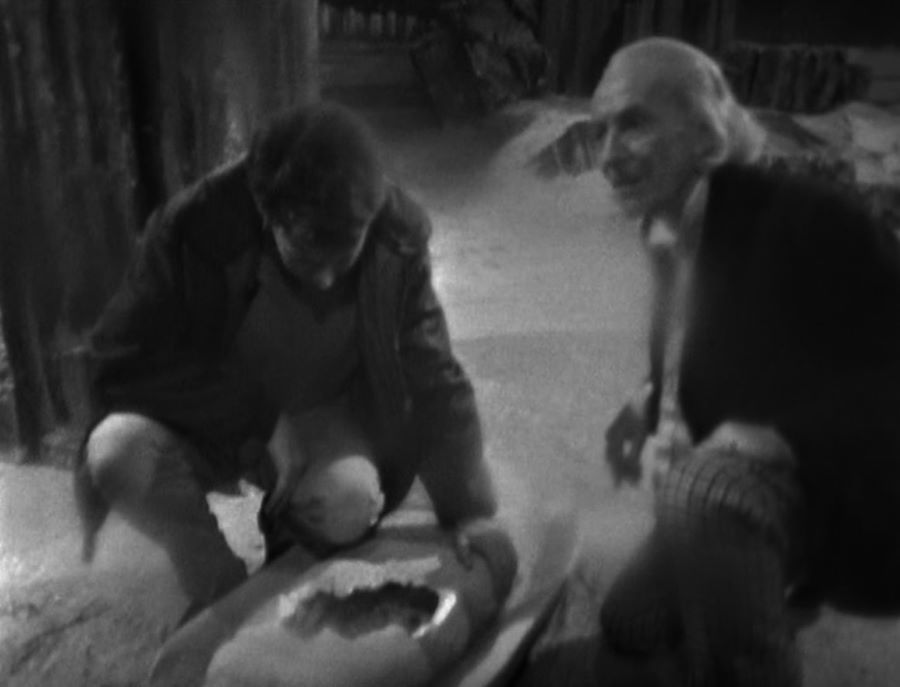
As I’ve established, ‘The Web Planet’ isn’t one of my Mum’s favourite ‘Doctor Who’ stories, since she doesn’t like insects. I don’t mind ‘The Web Planet’ so much, since the themes and ideas running through it are intriguing and thought-provoking, especially when you consider it reflecting our world.
Maureen O’Brien, in the behind-the-scenes making-of documentary called ‘Tales of Isop’, has mentioned how the story addresses the themes of evil acting like cancer on the planet Vortis. This was an intriguing notion and I’m surprised not many people have brought this up in other reviews. 🙂
It’s certainly a bold story for Dennis Spooner, the season’s script-editor at the time, to take on board from a writer like Bill Strutton. I like how Dennis Spooner attempts to go for a lot of variety in his ‘Doctor Who’ season and it’s not just comedy and laughs compared to Douglas Adams. in Season 17.
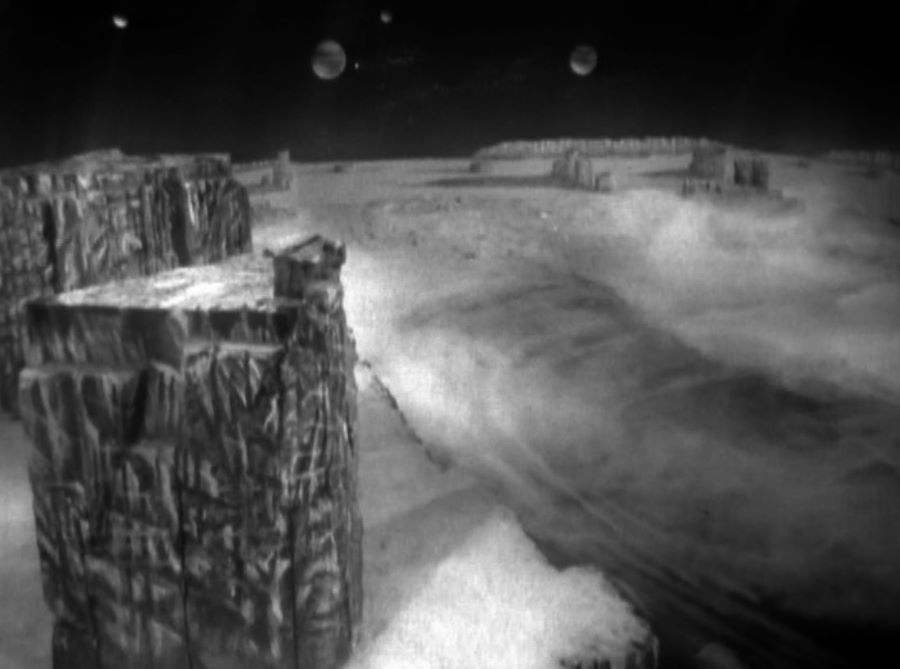
Mind you, with all of those things said, I don’t think this story has been treated kindly through the years. In my opinion, I find it rather slow and underwhelming at times, which is a shame. It does take a while for Vortis as a world to be established and the misty atmosphere does make you feel sleepy. 😐
‘The Web Planet’ was directed by Richard Martin, who previously co-directed the first ‘Daleks’ story with Christopher Barry in Season 1 and he recently directed ‘The Dalek Invasion of Earth’ in Season 2. This tale is the second out of three directing contributions made by Richard Martin in this season.
I don’t deny Richard Martin’s enthusiasm as a ‘Doctor Who’ director, particularly in the William Hartnell/First Doctor era. You can tell from watching interviews with him how determined he was to execute the ideas he wanted to deliver in the stories he made against time and budget constraints. 🙂
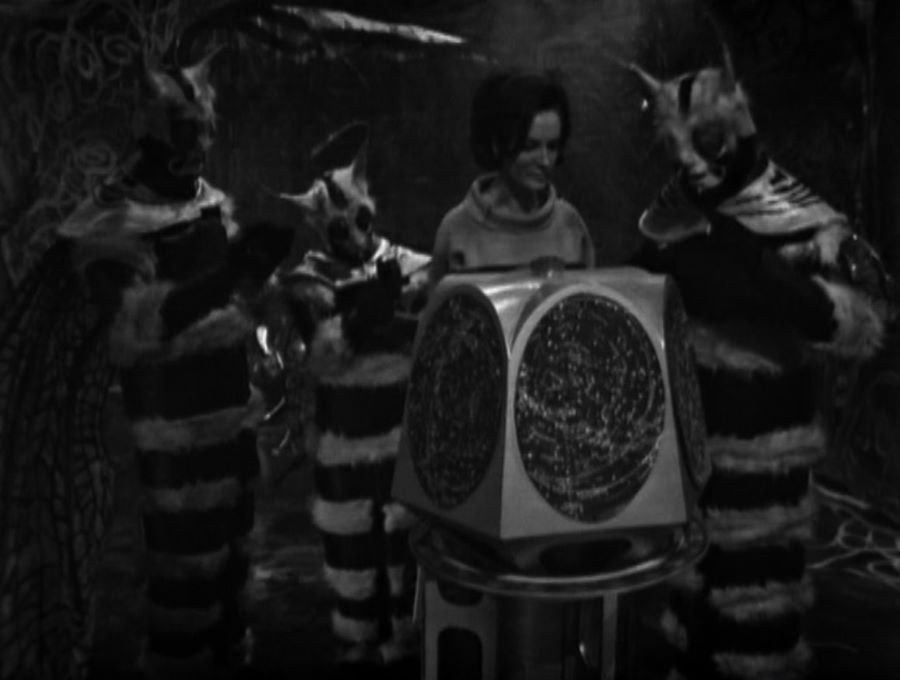
But I don’t think ‘The Web Planet’ as a ‘Doctor Who’ story could be made like it was today. If it was made today, it would have a more dynamic feel to it, particularly with the addition of CGI visual effects in a similar vein to the ‘Guardians of the Galaxy’ films in the ‘MCU’ and it wouldn’t be so underwhelming.
I’m actually surprised a follow-up story to ‘The Web Planet’ hasn’t been done lately in the new TV series. It would be very intriguing to see how a planet like Vortis along with its inhabitants, including the Zarbi and Menoptera, would be done in enhanced form, particularly with CGI effects and such. 🙂
I would welcome a potential story called ‘The Zarbi Invasion of Earth’ in the new ‘Doctor Who’ TV series. Would it be wholly satisfying and worth watching on-screen? Well, that’s to be determined. But hopefully, it’d be an improvement over what’s included in the original 1960s ‘Web Planet’ story.
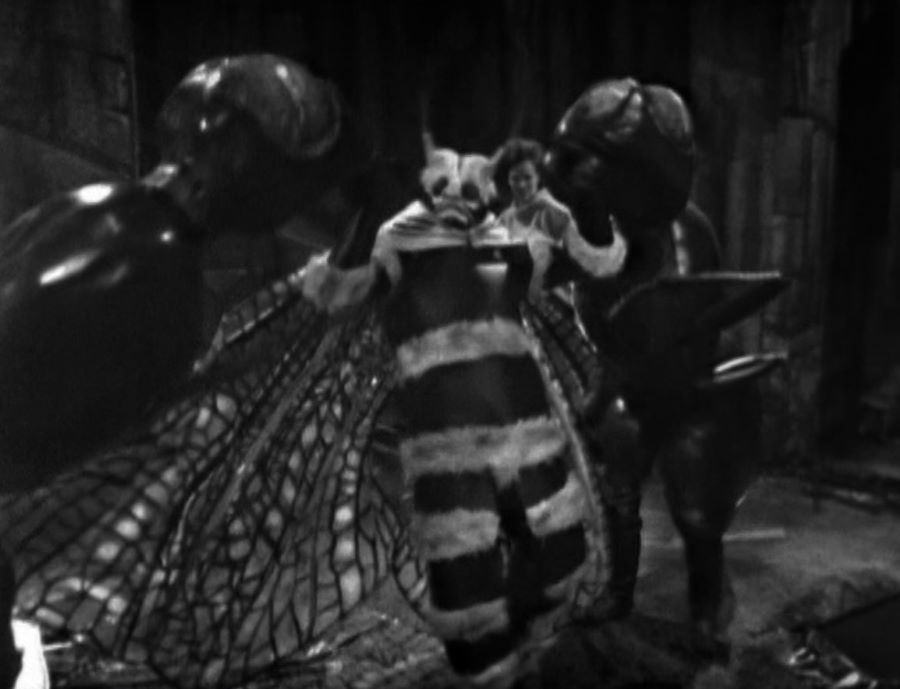
Now, I’m not saying these things to put ‘The Web Planet’ down in today’s climate. Far from it. I enjoyed the characters being featured in the story, and that’s not just with the regular cast. The guest cast are very good, particularly as insects and when they’re performing insect-like behaviours.
The only recognisably human characters featured in this ‘Doctor Who’ story are of course the Doctor, Ian, Barbara and Vicki, and it’s intriguing how they interact with the Menoptera characters in forming a sense of trust when being allies against the oppressors. It’s a credible aspect of this story.
Had ‘The Web Planet’ been more engaging and fast-paced and had its atmosphere been less underwhelming, I would’ve enjoyed it more and engaged with the characters. Comparing this to ‘Return to the Web Planet’, I found the audio story more thrilling to get into than its TV counterpart.

In my opinion, ‘Return to the Web Planet’ is an audio story where you can feel the action and pace. You’re not drifting or feeling bored when listening to the tale. This story also works well for me considering the Fifth Doctor and Nyssa are in it, and they’re my favourite ‘Doctor Who’ TARDIS duo.
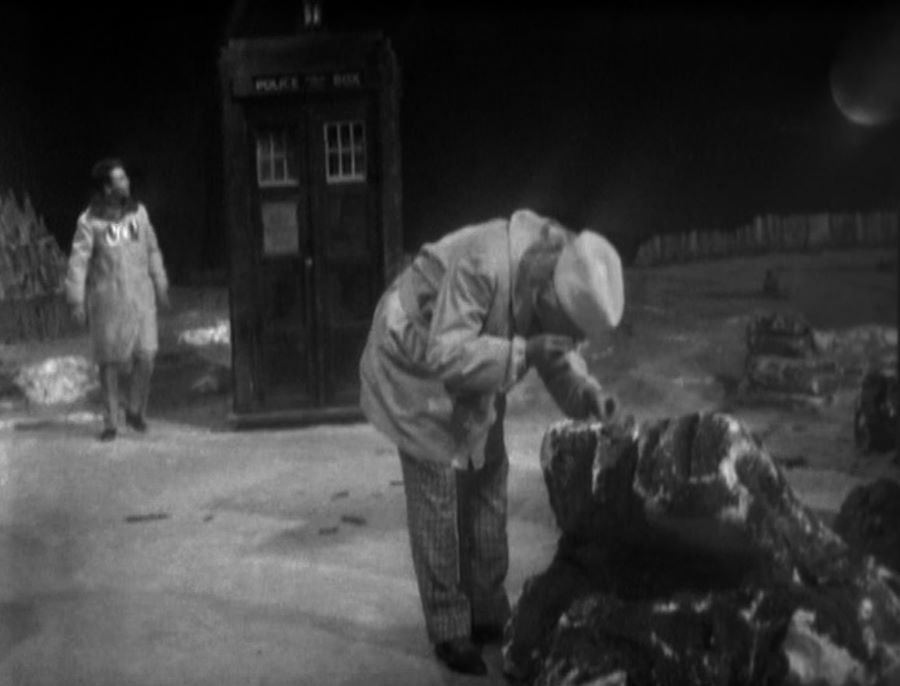
William Hartnell is very good as the Doctor in this TV adventure. I like how the Doctor uncovers more about what’s going on with the TARDIS and why they’ve been drawn to the planet Vortis. He and Ian first go outside to explore the planet, wearing atmospheric density jackets or ADJs, which is unusual.
It was intriguing, as the story unfolded, how the Doctor knew about Vortis already, even though he never visited the planet before. Perhaps the Doctor knew about the planet from checking the TARDIS databanks. Maybe he read records of Vortis when he was living on his home planet long ago.
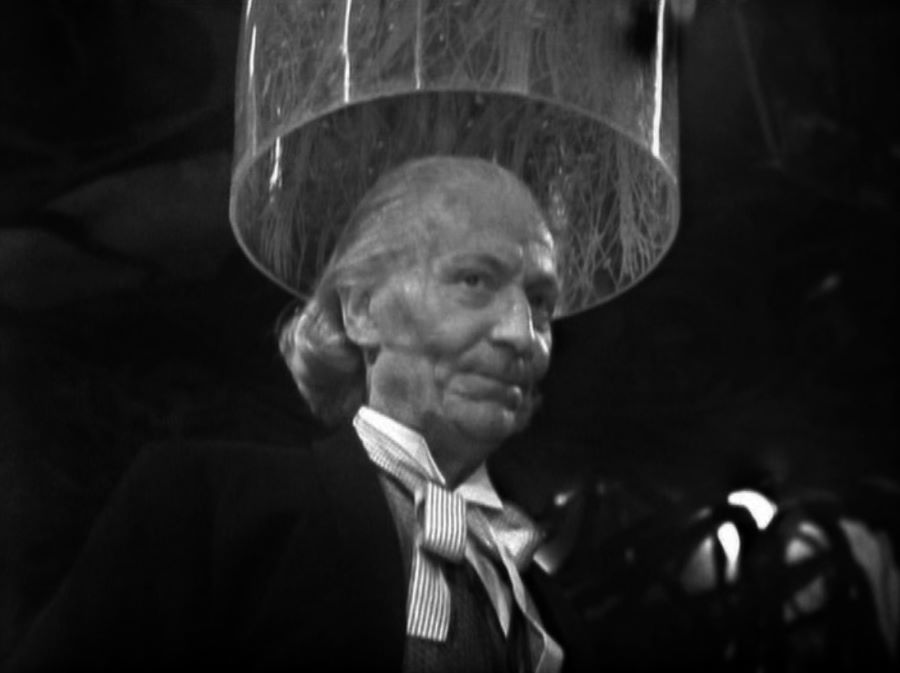
Who knows? I enjoyed some of the comedy moments featured in this story. This is especially when the Doctor’s with Ian and the young man loses his gold pen as well as his Coal Hill School tie. It was a dramatic moment when we got to end of the first episode and the Doctor saw the TARDIS was gone.
I liked the scenes the Doctor gets to have with Vicki, especially when he tells her to fetch him a ‘red’ box from the TARDIS, but he actually wanted a ‘white’ box instead. 😀 Also, the Doctor gets to talk to the Animus through a hair dryer-like contraption, which is amusing to see when watching the story. 🙂
An aspect of the First Doctor that doesn’t get much attention is the use of his ring, which contains special powers. This is something he uses to control a Zarbi when he and Vicki place a harness made of gold on its neck. 🙂 He also lends the ring to Prapillus, one of the Menoptera, to control their Zarbi.
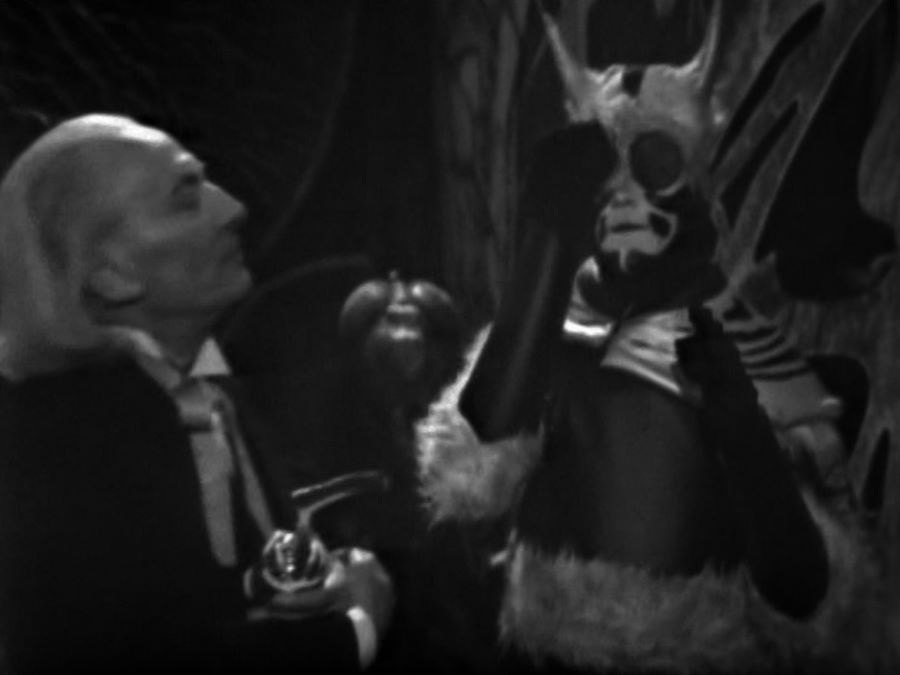
I believe the ring does get used again in an episode or two in ‘The Daleks’ Master Plan’ in Season 3. I’ve also included the ring in my 60th anniversary ‘Doctor Who’ story called ‘The Thirteen+ Doctors’. You could almost say that the First Doctor’s ring is a precursor for the sonic screwdriver in a respect.
William Russell is equally very good as Ian Chesterton in this ‘Doctor Who’ story. Initially, he gets to join the Doctor for a bit in the first two episodes when they’re venturing out to explore Vortis. Ian is easily dismayed when he loses his ‘gold’ pen and when the Doctor ruins his school tie in an acid pool.
Of course, the Doctor saved Ian’s life when he was about to take a wash or drink from the pool. I’m surprised Ian didn’t take this into account, as Susan almost had a paddle in an acid pool in ‘The Keys of Marinus’. 😀 I also like the moment when Ian defied the echoes in the air once his gold pen vanished.
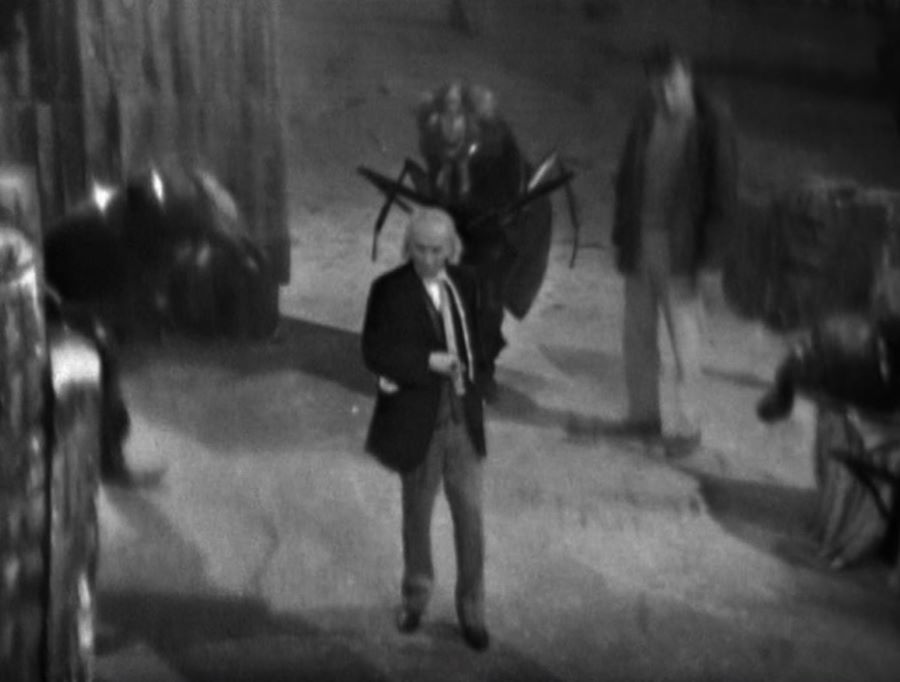
Ian and the Doctor are soon surrounded and taken away by the Zarbi to the Animus’ lair called the Carsinome. That moment where Ian is tugged at from behind by a Zarbi is very good and how Ian reacts to it is very good. Ian also gets to tackle a Zarbi when he tries to escape from the Carsinome. 🙂
After he and the Doctor reunite with Vicki in the Carsinome, Ian goes off to look for Barbara, once they discover she’s with the Menoptera in a place called the Crater of Needles. For the rest of this ‘Doctor Who’ story, Ian shares an adventure with Vrestin, a female Menoptera, whom he befriends.
I quite like that scene where Ian and Vrestin are together and they exchange stories about who they are and what they’re doing on Vortis. When Ian asks what happened to her people when preparing for their invasion and Vrestin whimpers, there’s a sense of understanding on Ian’s part, which I liked.
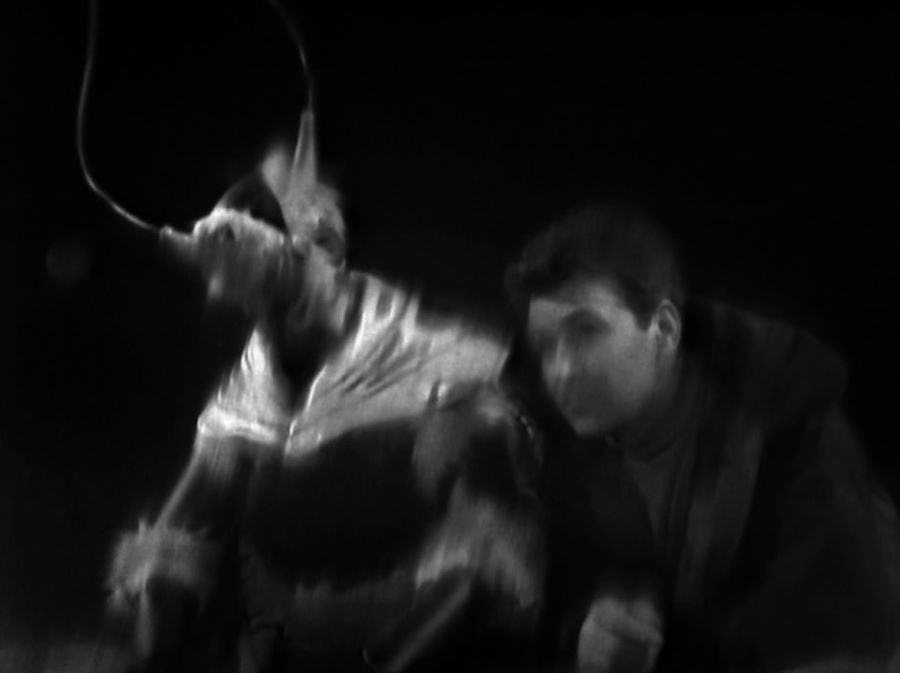
It was tense when Ian and Vrestin ended up falling through the ground once they hid inside a cave and a cave-in occurred. They end up underground where they meet the Optera. Ian and Vrestin do all they can to convince the Optera to be on their side and help them get up onto the planet surface.
Jacqueline Hill is equally very good as Barbara Wright in this ‘Doctor Who’ story. Say, remember, when Barbara was given that golden bracelet by Nero in ‘The Romans’? Well, it comes back into this story when Barbara gets drawn out of the TARDIS whilst still wearing the golden band on her arm. 😮
I’m not sure if that’s a form of mind control or anything when it comes to gold being used in the story on characters like Barbara as well as Vicki and the Doctor. Janet Fielding seems to think so, according to the ‘Behind the Sofa’ item, but it’s interesting how it gets portrayed in this certain story.
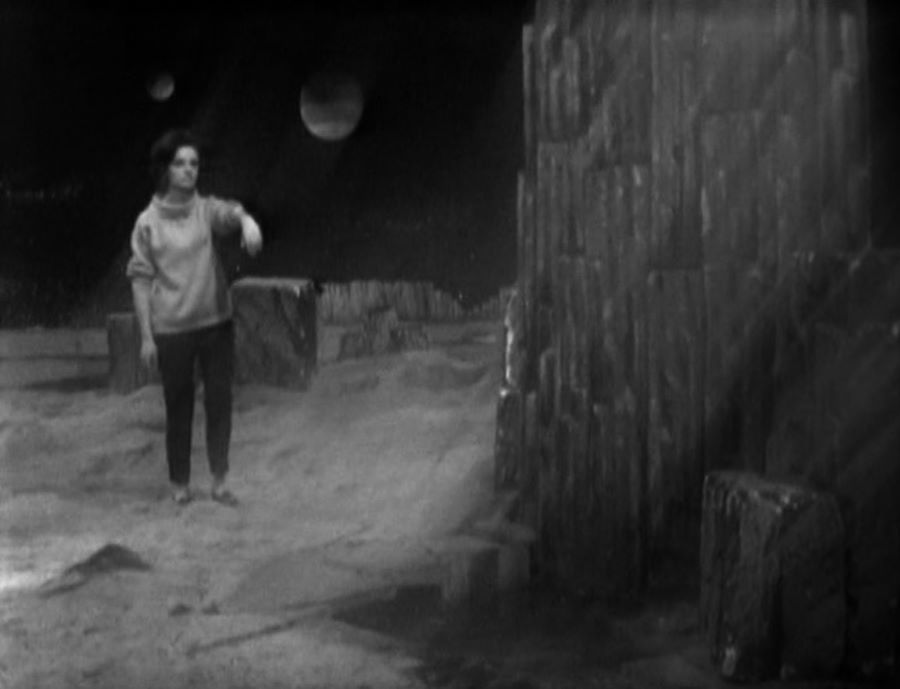
Barbara gets to share a lot of scenes with the Menoptera in this tale, especially when she and they are slaves to the Zarbi whilst working in the Crater of Needles. Incidentally, Barbara doesn’t appear at all in the third episode. Jacqueline Hill was on holiday at the time the third episode was recorded.
I like how in the story’s fifth episode, Barbara gets to advise the Menoptera when they’re conducting their attack plans on the Zarbi and the Animus in the Centre of… the Web, I believe. It highlights Barbara’s resourcefulness, especially as a teacher, as well as her kindness in helping the Menoptera.
In many respects, Barbara is a good template for a ‘Doctor Who’ companion with being brave, kind and resourceful. I know there must be variety in how the companions are handled, but I’d like to think Barbara is the springboard for how ‘Doctor Who’ companions, especially Earth ones, are done.
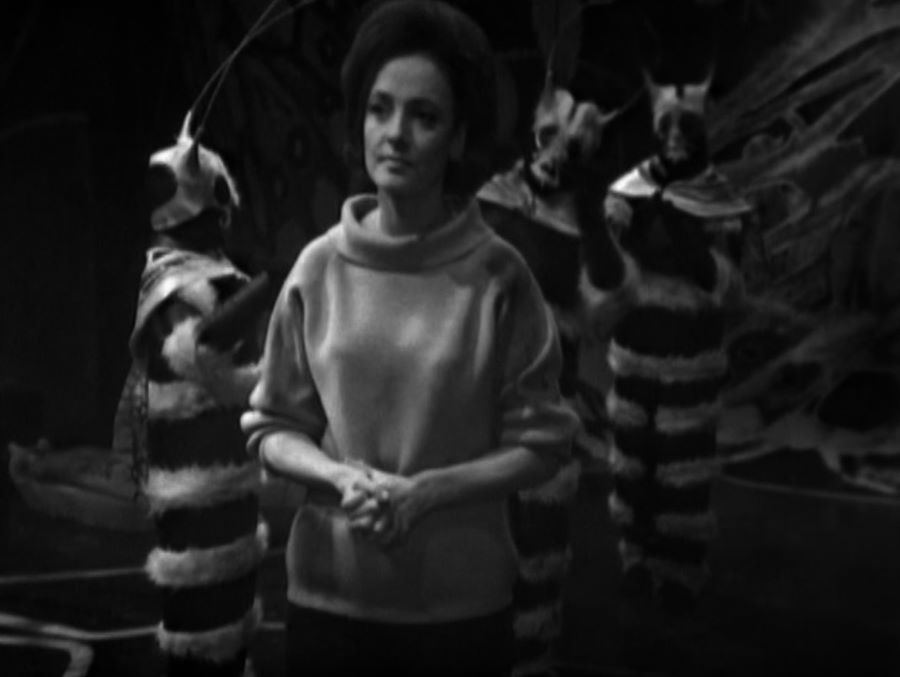
It’s also nice to see how Barbara behaves quite naturally to the weirdness of Vortis when interacting the Menoptera characters. She doesn’t treat them as being insects but as being people. It’s thanks to Jacqueline Hill’s performance that she’s able to deliver that believability for Barbara as a character. 🙂
Maureen O’Brien is lovely as Vicki in this ‘Doctor Who’ story. And it seems she’s gone back to wearing the outfit she wore in ‘The Rescue’, albeit she’s wearing tights here compared to her first story, and she’s returned to her previous hairstyle compared to her Roman hairstyle in ‘The Romans’.
I enjoyed Maureen’s performance as Vicki in ‘The Web Planet’. It’s interesting she sensed the Zarbi’s calls when she was in the TARDIS with the Doctor, Ian and Barbara, and she’s getting headaches. I’m not sure how that’s brought on. It might have something to do with her being from the 25th century.
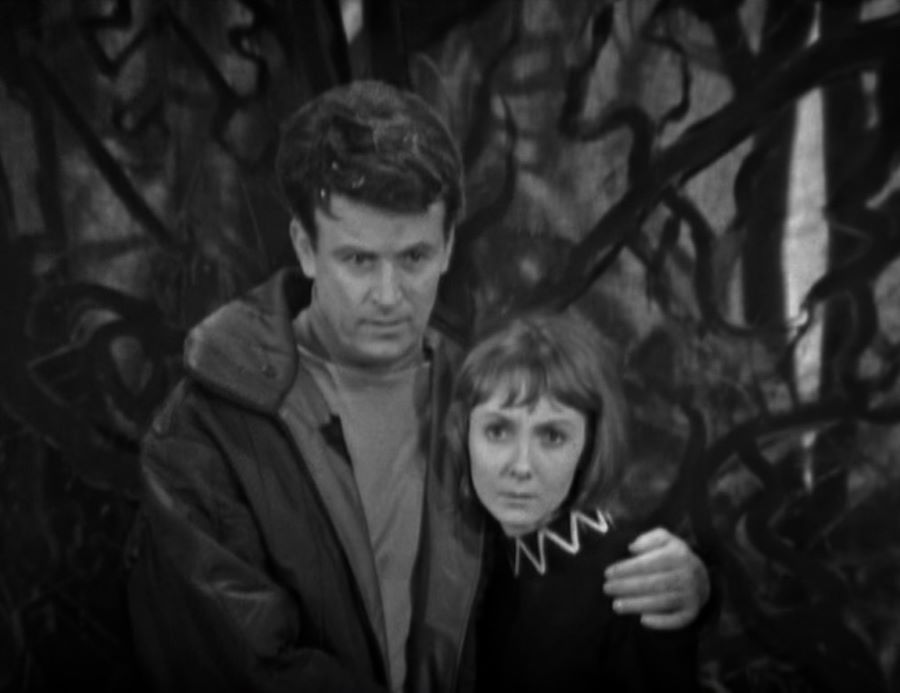
Speaking of which, I like how we get to know about Vicki’s 25th century background when she’s with Barbara in those seemingly uncomfortable resting chairs from ‘The Edge of Destruction’. Apparently, education in the 25th century is different, as they don’t have classrooms, which surprises Barbara. 🙂
Vicki surprises Barbara more when she informs her that she was 10 when she took a certificate of education in medicine, physics and chemistry. I like the scenes Vicki has with the Doctor when they’re in the Carsinome. She also gives one of the Zarbi a name – ‘Zombo’ – when acquiring him as a pet.
Incidentally, it was a shock to see the Doctor and Vicki enveloped in a web once a bio-gun squirts at them in the Carsinome. The image of the Doctor and Vicki caught in a web at the end of the story’s fifth episode and acting as a cliffhanger moment must have been terrifying for kids to watch in 1965.
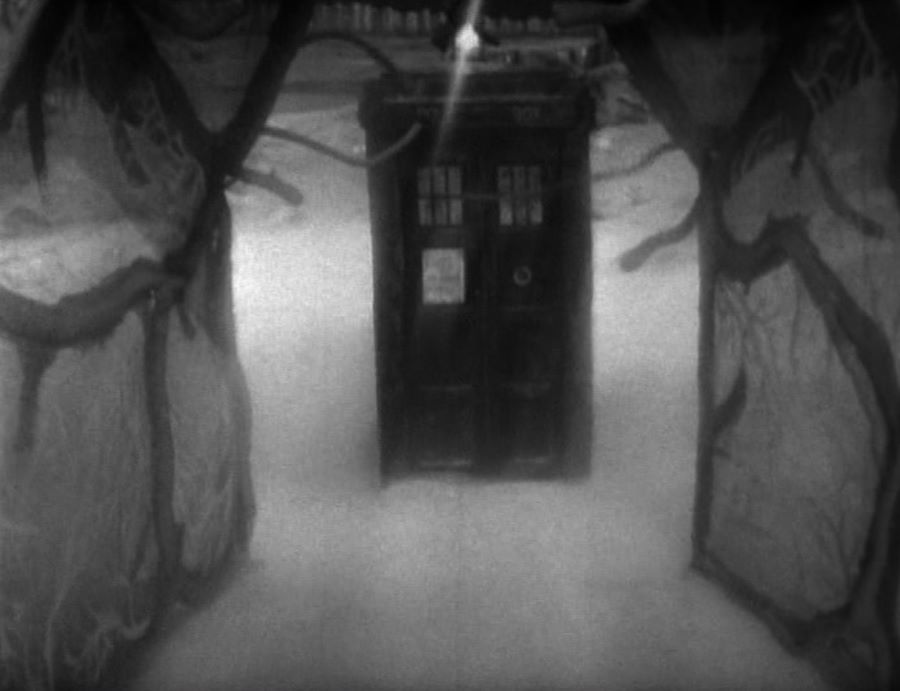
It was tense when the TARDIS was being dragged away towards the Carsinome with Vicki inside. Vicki looks at the scanner screen to see a Zarbi looking in on her and she’s terrified. That must have been a very frightening moment for kids once they watched ‘The Web Planet’ on TV screens in 1965.
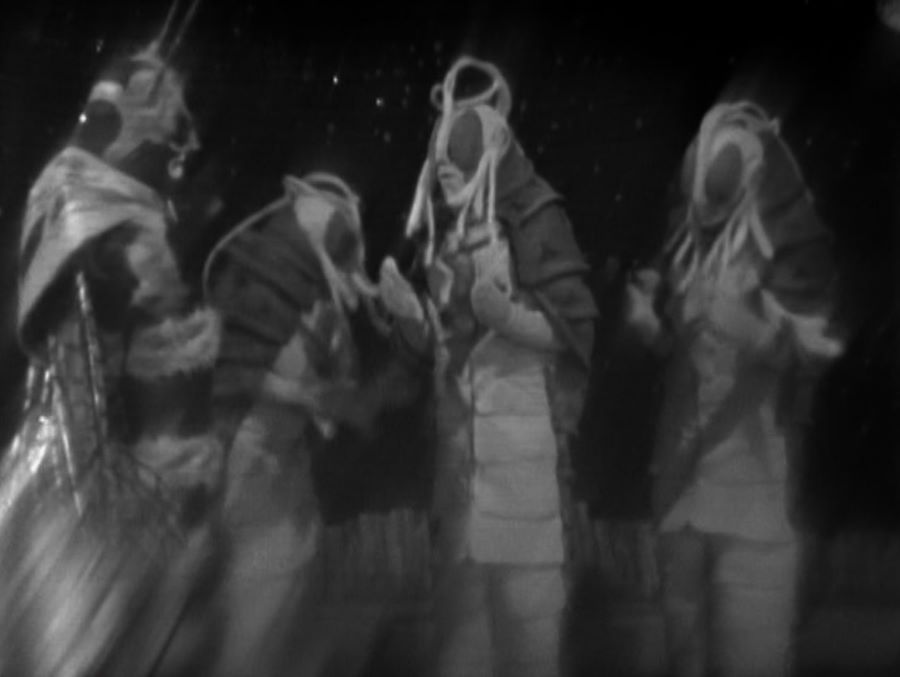
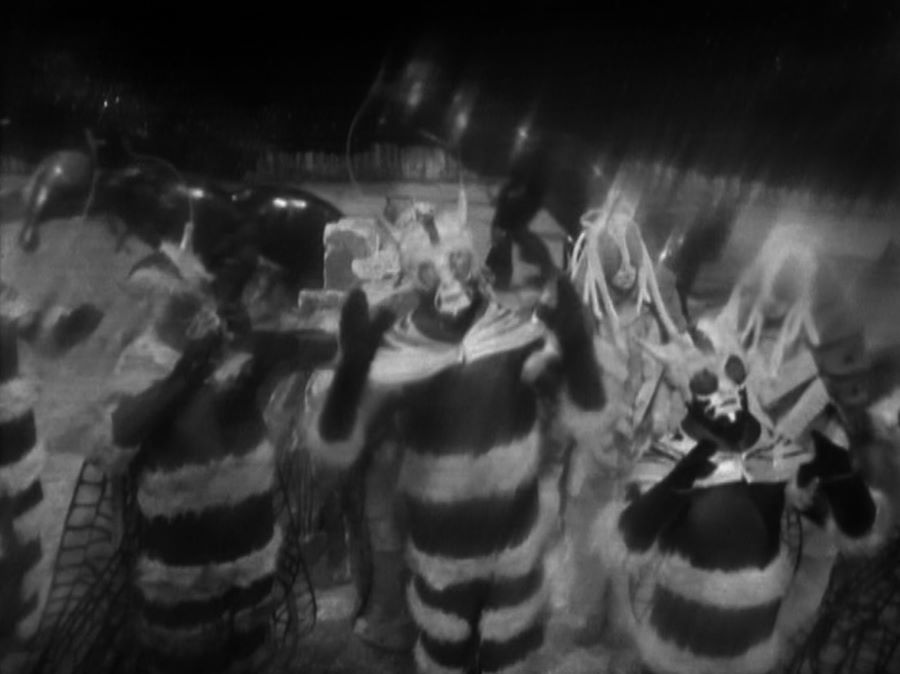
The five insect-like alien species on Vortis are very unique in what type of insect they’re based on. Sometimes they work in terms of costume and design. Sometimes they’re impeded by studio constraints, and it’s very noticeable when you see the story on screen, despite the actors’ performances.
I’ve got to give credit to the people performing in the Menoptera, Zarbi, Optera and Larvae Gun outfits, as it must have been challenge for the actors and operators to wear when working in this studio-bound story. It adds to the extraordinary quality that’s featured throughout ‘The Web Planet’.
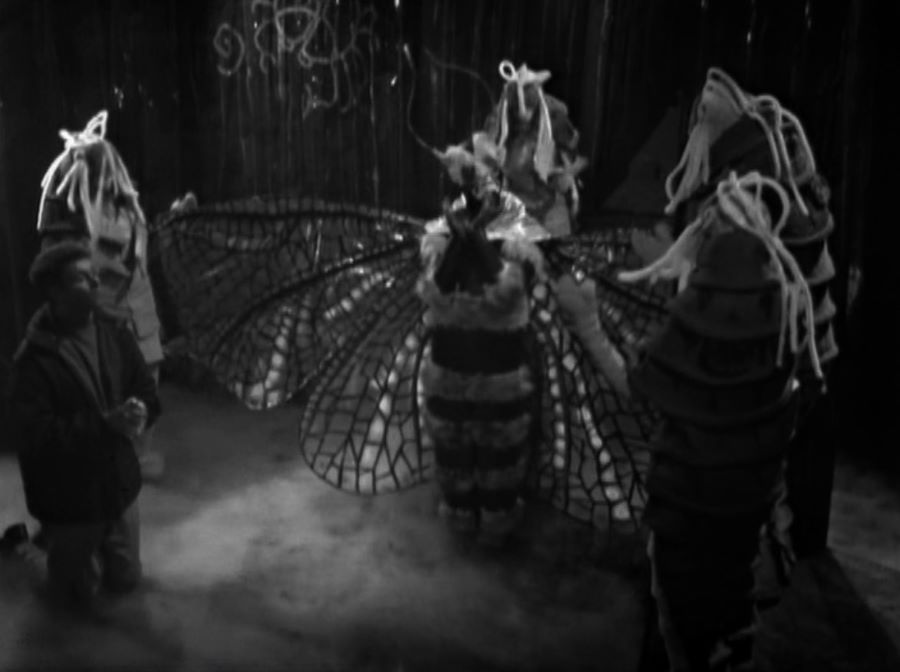
There are quite a lot of Menoptera in this ‘Doctor Who’ adventure. There’s Roslyn de Winter as Vrestin. In fact, Roslyn de Winter provided and conducted the insect movements for the Menoptera whilst this story was being made, which is impressive and fascinating to uncover, behind-the-scenes.
There’s Arne Gordon as Hrostar, Arthur Blake as Hrhoonda, Jolyon Booth as Prapillus and Jocelyn Birdsall as Hlynia. A lot of these Menoptera I didn’t distinguish initially, but as time went on, I grew to appreciate the almost-Shakespearean way the actors were playing their characters as Menoptera. 🙂
A notable Menoptera to mention is Martin Jarvis as Hilio. This is Martin Jarvis’ first ‘Doctor Who’ TV appearance, as he went on to be in ‘Invasion of the Dinosaurs’ and ‘Vengeance on Varos’ afterwards. He’s also appeared in the audio story ‘Jubilee’ and the ‘Torchwood’ audio story ‘The Devil and Miss Carew’.
I do like how the Menoptera are portrayed as the goodies on Vortis in this story, especially when they’re graceful with their hand movements, even though it takes a while for them to speak in their insect-like voices. The moment where Hlynia is being drawn to the Animus’ light is a very good one.
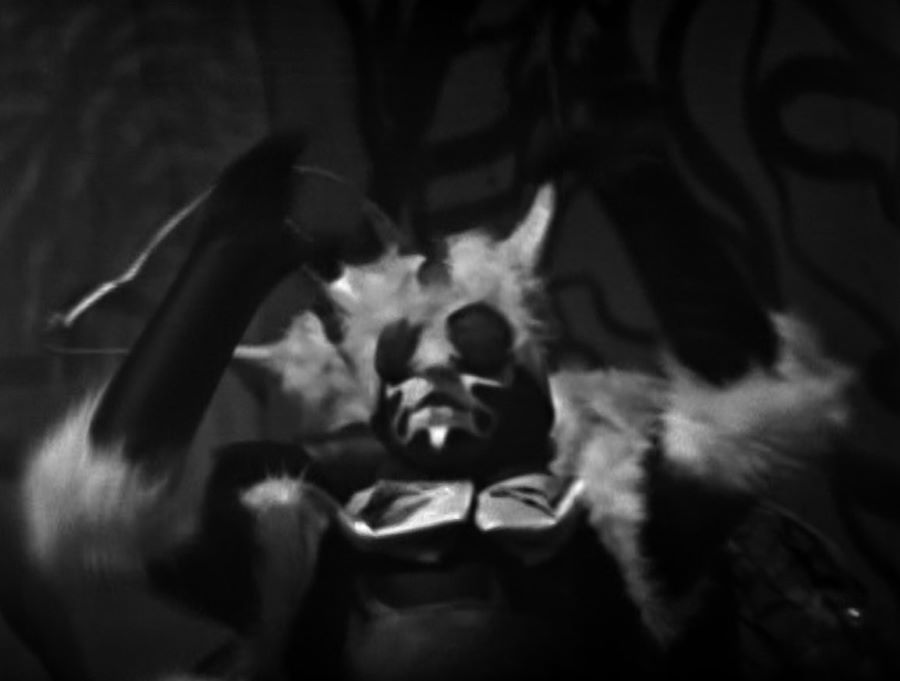
Hlynia: Light! Light! Light!

Harry’s Pal: No! Harry, no! Don’t look at the light!
Harry: I can’t help it! It’s so beautiful!
Harry gets electrocuted.
Harry: Waaaahooooo-ow!
And yes, I did think of ‘A Bug’s Life’ when I saw that moment whilst watching the story on Blu-ray recently. I also like how Sarah Sutton picked up on that moment in that it was like a moth being drawn to a flame in the ‘Behind the Sofa’ item. Bonnie Langford picked up on that same thing too. 🙂
The Zarbi, as established, are quite like ants or termites. I like the Zarbi when they appear in this ‘Doctor Who’ story, although I do feel sorry for the actors who had to wear the suits, as they must have been cumbersome to wear. It’s also a challenge to wear them when working in a BBC studio. 🙂
One Zarbi bumped into a camera in one of the shots, I believe. 😀 The Zarbi operators include Robert Jewell, Jack Pitt, Gerald Taylor, Hugh Lund, Kevin Manser and John Scott Martin. Some of the operators like Robert Jewell and John Scott Martin have been Dalek operators at points in their lives.
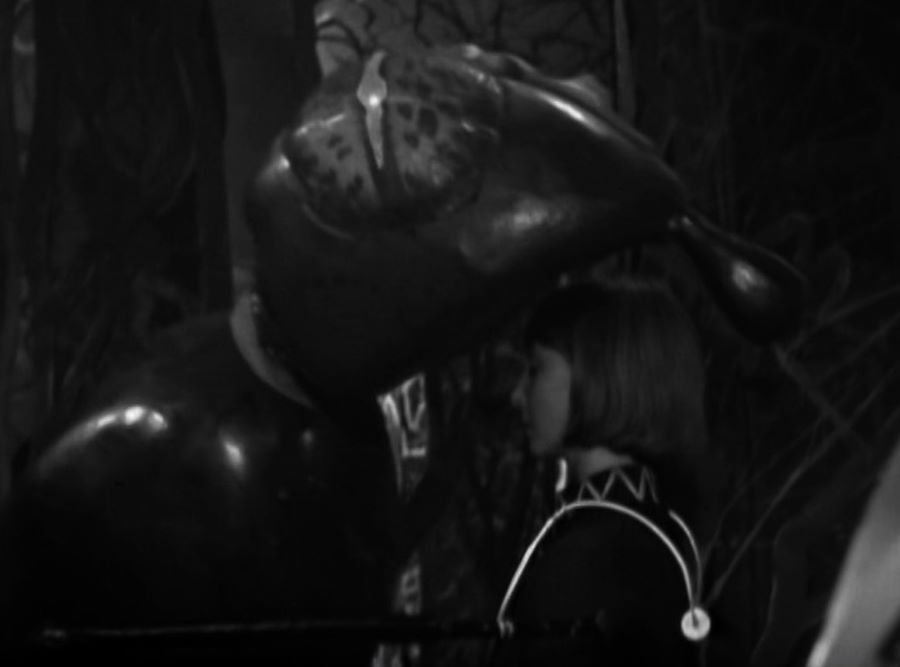
The Zarbi also make strange whirring sounds when they’re running about and such. I’m not sure if that’s how an ant would sound, but it’s interesting for an alien ant on an alien planet. I liked Ian’s remark about ants eating through houses whereas the Zarbi could eat their way through a mountain.
It’s a pretty terrifying thought. I wonder how the Zarbi would be done nowadays for a TV audience. I don’t think it’d be exactly actors wearing suits, or if it is, then they would certainly add CGI enhancements to make them terrifying, like how Inferno is an ant in his beast mode in ‘Beast Wars’.
The Optera are like giant woodlice that can hop about like grasshoppers. Incidentally, why did Janet Fielding think the Zarbi were like grasshoppers instead of ants. Was it because they were walking on hind legs? I mean, the Optera are more grasshopper-like compared to the Zarbi in watching this tale.
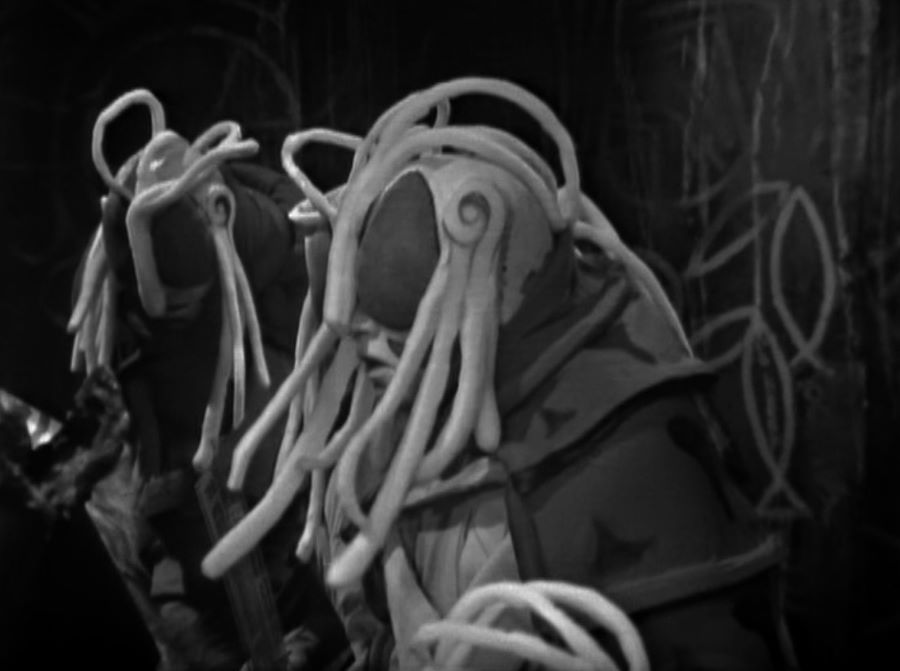
Apparently, the Optera were Menoptera once before they lost their wings and ended up living underground. The Optera include characters like Ian Thompson as Hetra and Barbara Joss as Nemini. As I understand, the Optera came at the last minute when Richard Martin and his team did this tale.
I’m afraid I couldn’t take the Optera seriously. For that matter, I don’t think anyone can take the Optera seriously, both as casual audience members and ‘Behind the Sofa’ audience members. 😀 This is especially when Hetra, the leader, tended to speak with a funny grunting voice throughout. 😀
I appreciate the effort in trying to make the Optera as different as they can be from the Menoptera and other insect-like aliens living on Vortis. But when they’re grunting and hopping about like that, it does make them silly. The mirror shot of the Optera, Ian and Vrestin is very good in this tale though.
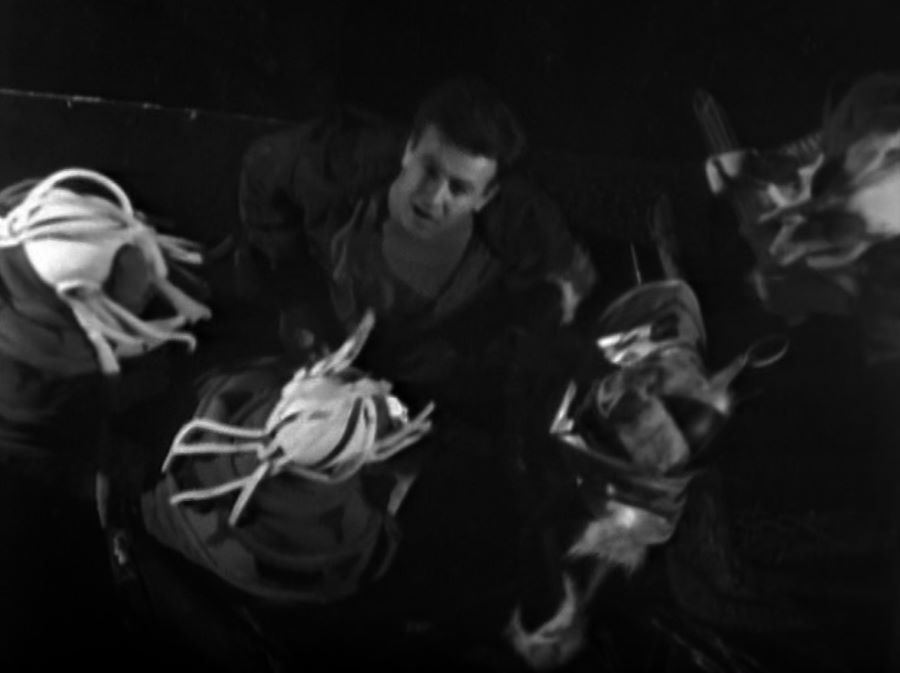
It’s also intriguing how the Optera are afraid to return to the planet’s surface when Ian and Vrestin try to persuade them to help them get to it. I like how the Optera grow to overcome their fears, even up to the point where Hetra is very happy, hopping about and grunting “Light is good!” to Ian.
The Optera consider the Menoptera to be their gods, which is fascinating, especially when Vrestin interacts with them and tells them who they are in connection to the Menoptera. Vrestin shows off her butterfly-like wings to the Optera, and they’re astonished and mesmerised once they see this. 🙂
The Larvae Guns (or Venom Grubs) appear to be worm-like creatures that fire deadly venom out of their nose-like stingers. Mind you, I’m not sure if they’re a combination of worms and caterpillars, especially when they trundle across the terrain of Vortis. I mean, are these things riding on trolleys? 😀
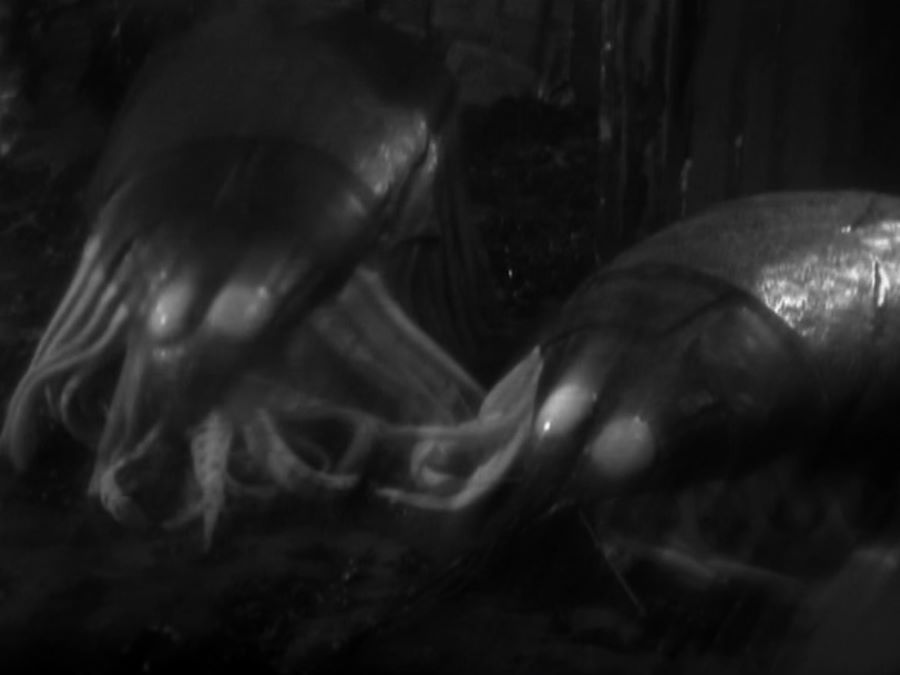
They work with the Zarbi on the Animus’ behalf, killing every opponent like the Menoptera in sight. Although these things can be deadly, I did find them unconvincing, especially they fired beams at their opponents. Nowadays, the beams can be done with CGI, which is what I would have preferred.
On a side note, I’m disappointed we didn’t get a CGI effects option for ‘The Web Planet’ to show the Larvae Guns can fire energy beams made out of CGI on the Menoptera. I mean, it’s not provided on the DVD and it’s not provided on the Blu-ray. I’m curious as to how that’s not the case for this story.
The closest we get to having a Larvae Gun firing an energy beam at a Menoptera in CGI form is on the ‘Tales of Isop’ making-of documentary. Very surprising that’s not provided as an option on the actual story itself. At least the Larvae Guns attend to the grounds on Vortis with water to grow plants. 🙂
And of course, we have the Animus, which apparently is a spider-like creature, voiced by Catherine Fleming. I mean, I assume it’s a spider-like creature, although it tends to look like an octopus at times. At least Vicki calls it a spider once she and the Doctor find themselves in the centre of her lair.
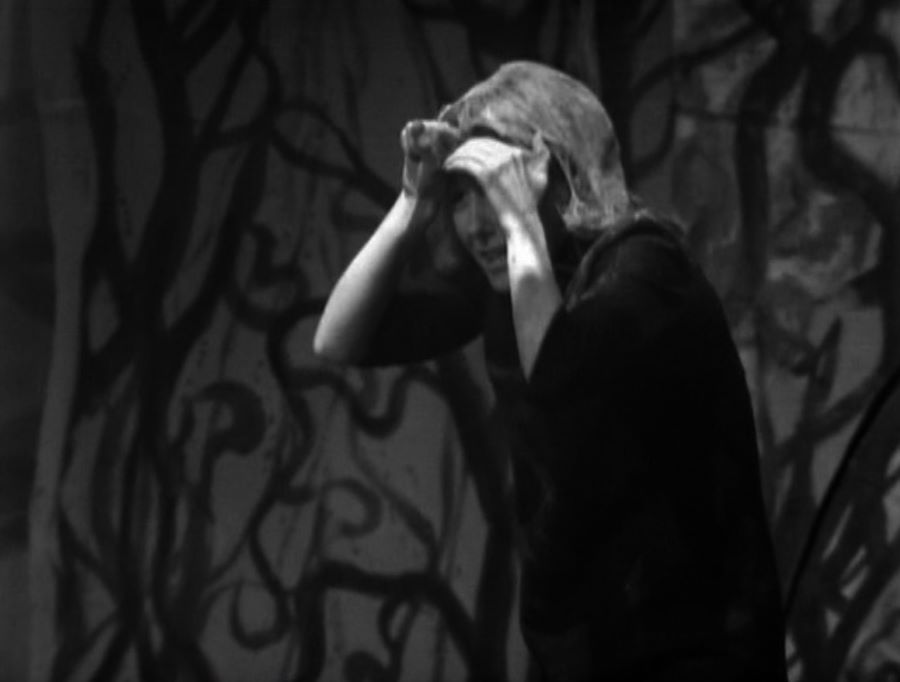
Vicki: You filthy, great spider!
Incidentally, when Vicki opens up and takes out a spider sample from the Doctor’s red box from the TARDIS, once a Zarbi sees it, it reacts in fear. A sign of foreshadowing that the big reveal to the Animus is that it’s like a spider? Very possibly. It’s something to reflect on from watching this story. 🙂
The Animus herself is a very evil entity that came to Vortis long ago and is controlling the Zarbis and the Larvae Guns. I like how Catherine Fleming voices the Animus when she’s talking to the Doctor through the hairdryer, as it’s such an ethereal and almost seductive voice that’s very sinister indeed.
As established, when our heroes confront the Zarbi at the story, it emits a very deadly and bright light. I’m not sure I’m entirely happy with how the Animus is defeated, especially when Barbara is supposed to aim the Menoptera’s isotope weapon on the dark side. The ‘dark side’ of what though?
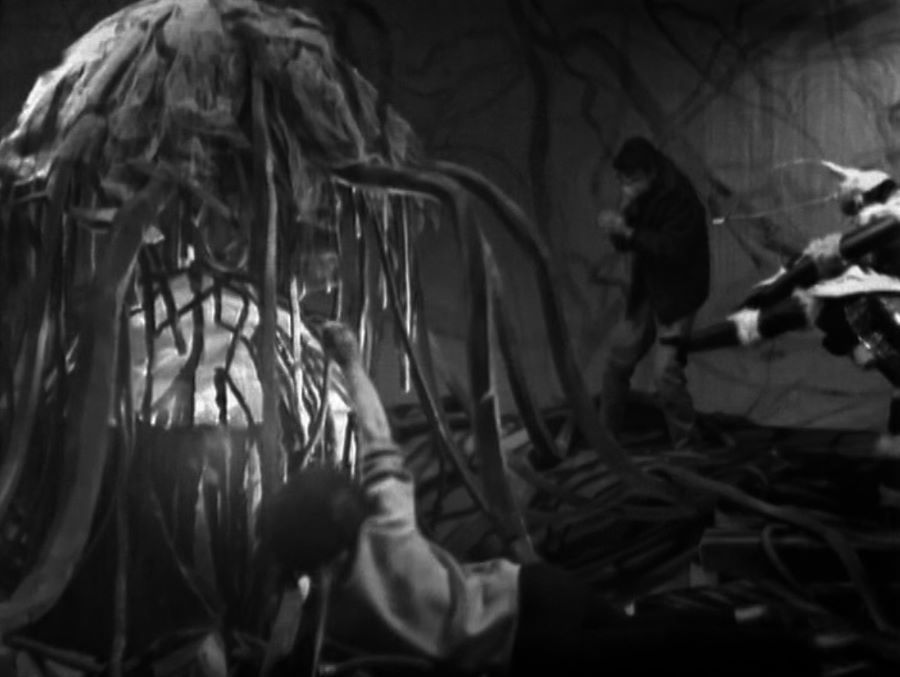
And don’t give me a ‘Star Wars’ joke on that front, because that was made years after ‘The Web Planet’ was made, so it doesn’t count. 😀 If the defeat of the Animus was presented more clearly, especially in how Barbara aimed the isotope at her dark side, it would have made it so worthwhile. 🙂
As is, the final confrontation scene with the Animus feels rather rushed and poorly-executed, which is a shame. Maybe Ian did something when he climbed up to join Barbara and everyone else in the Centre. I don’t know. Maybe reading and hearing the novelization and audiobook will help matters.
The story’s design work by John Wood is very unique, especially in presenting an alien landscape for Vortis. I’m not sure if the story works well in black-and-white compared to being in colour, but it’s interesting how a studio-bound environment tries to create that for a TV story on a 1960s budget. 🙂
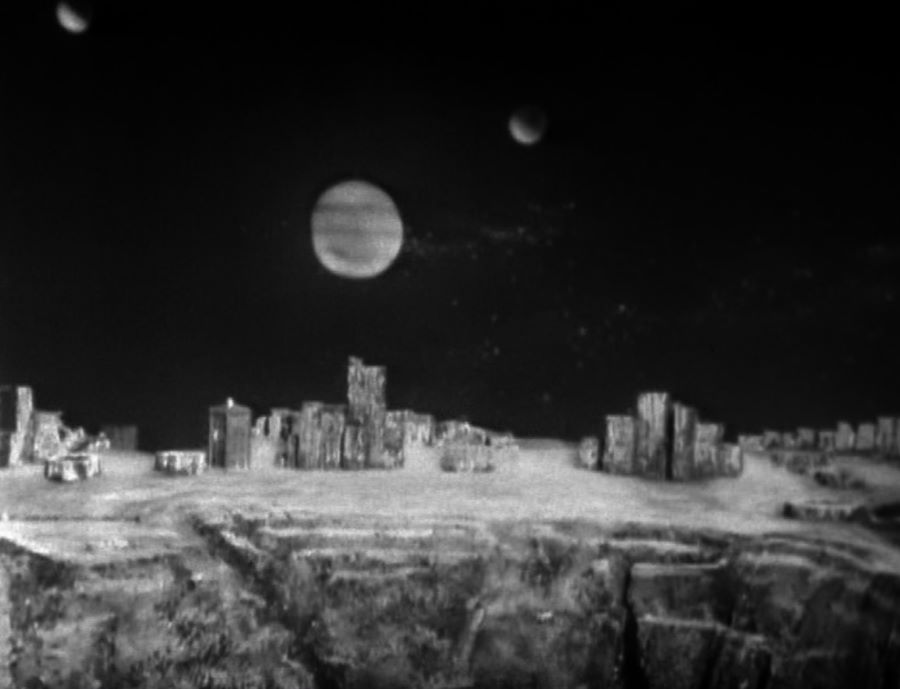
Sometimes the illusion is ruined as you can hear the sets creaking when our characters are walking about on the surface of Vortis. Like I said, time has not been kind to this ‘Doctor Who’ story over the years, as you could easily get away with any pitfalls nowadays with enhanced CGI and sound design.
With that said, ‘The Web Planet’ as a ‘Doctor Who’ story was a ratings success back in 1965, as it achieved from 13.5 million to 11.5 million viewers from the first to the sixth episodes. Compared to today’s standards, that is quite remarkable and you do wonder why TV audiences aren’t like that nowadays.
Then again, the amount of TV channels that were available back then in 1965 weren’t as numerous compared today, as the BBC initially had one channel and it took a while for BBC2 and ITV to be launched. So, I suppose you could say that ‘The Web Planet’ and ‘Doctor Who’ were lucky back then.
The scary and violent moments, particularly in this ‘Doctor Who’ story, were toned down, following the outcry of Susan using scissors in ‘The Edge of Destruction’, which was considered harmful and dangerous. It’d be years later in ‘Paradise Towers’ for sharp objects being dangerous to resurface. 😐
A notable scary and violent moment in the story is when a Menoptera – Hrostar, I believe it was – has his wings clipped off by the Zarbi. We don’t see that in the story as we cut to Barbara’s reaction to it. It’s addressed in the fourth episode of the story where Barbara asks Hrostar about his wings. 😐
He tells her he won’t be able to fly again, which is sad. I like how a moment like that is readdressed in the Big Finish audio story ‘Return of the Web Planet’ when Nyssa asks Hedyla about her clipped wings. Seeing Menoptra with their wings clipped in the actual TV story was sad to see in this story. 😦
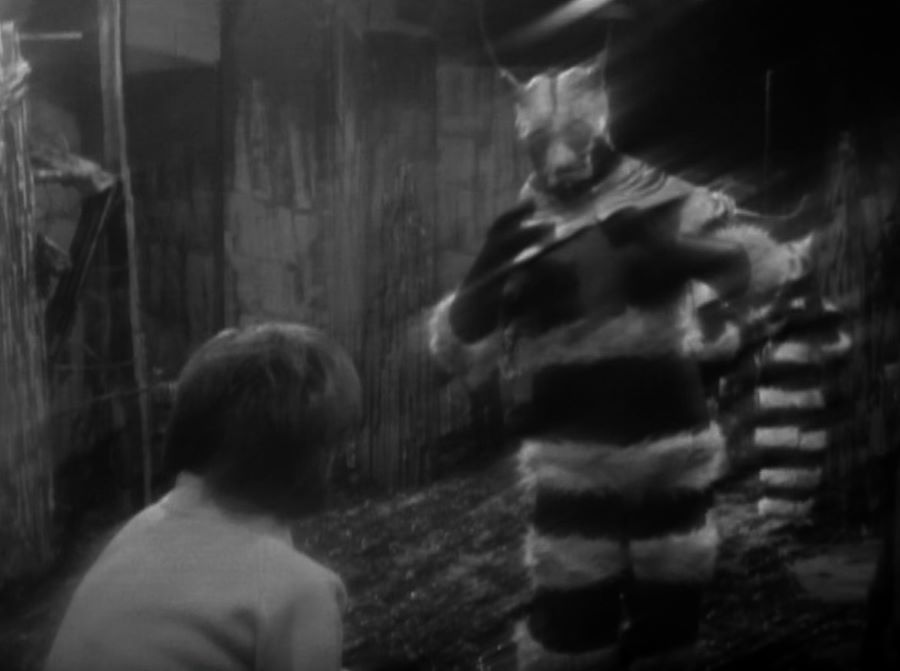
Speaking of ‘Return of the Web Planet’ with the Fifth Doctor and Nyssa, the Doctor would later visit the planet again in stories like the annual stories, including ‘The Lair of Zarbi Supremo’ with the First Doctor and the book story called ‘Twilight of the Gods’ with the Second Doctor, Jamie and Victoria. 🙂
There’s also ‘The Naked Flame’ comic story with the Fourth Doctor and Sarah Jane. The Animus would return in the first instalment of the ‘Prisoners of Time’ comic story called ‘Unnatural Selection’. It’s incredible how much of an impact Vortis has had in other mediums compared to TV. 🙂
The scenes in the story’s fourth episode where the Menoptera are flying in on the planet surface of Vortis are very impressive and I like how director Richard Martin executed that on-screen. The wire-work for some of the actors, including Martin Jarvis, is really effective in executing flying Menoptera.
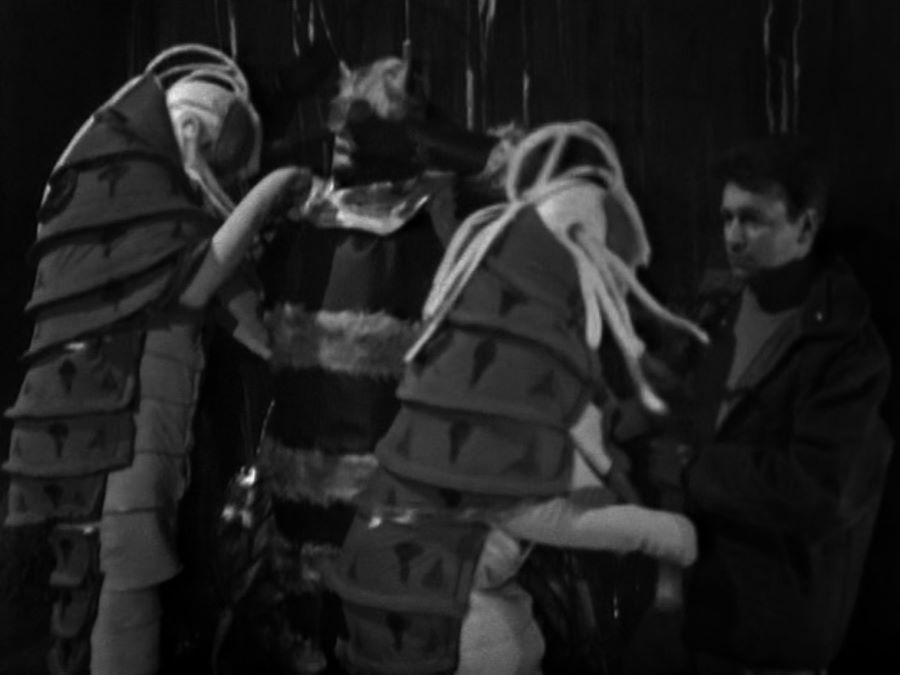
Another scary and violent moment in ‘The Web Planet’ is when Nemini, one of the Optera, sacrifices herself to stop acid getting in when Ian, Vrestin and the other Optera, including Hetra, try to get up top from underground. The death of Nemini isn’t shown and we see Ian’s reaction to her death here.
I suppose seeing Nemini briefly when she cried out in pain was enough, as it would have been too traumatic for young audiences to see on a TV screen in 1965. It’s an intriguing combination of the light and dark moments featured throughout ‘The Web Planet’, which makes it so uniquely effective.
‘The Web Planet’ concludes with the Menoptera, Zarbi, Larvae Guns and Optera now at peace with each other once the Animus has been defeated. Water is also free-flowing on the planet now. The Doctor and his friends are thanked for helping out on Vortis and the four soon depart in the TARDIS.
The original DVD special features were as follows. There was ‘The Lair of Zarbi Supremo’ short story from the pages of the first ‘Doctor Who Annual’, which was published in 1966, read by William Russell and is audio only. There was an info-text commentary option to enjoy, the first ‘Doctor Who Annual’ from 1966 itself in PDF form, a ‘Give-A-Show Slides’ based on ‘The Web Planet’ story, the ‘Tales of Isop’ making-of documentary with behind-the-scenes cast and crew interviews, and a photo gallery of the story. There was a dual mono sound audio mix option of the story to enjoy, an audio commentary with William Russell, Martin Jarvis, producer Verity Lambert and director Richard Martin, moderated by Gary Russell, and there was an alternative Spanish soundtrack audio option for the sixth episode of ‘The Web Planet’.
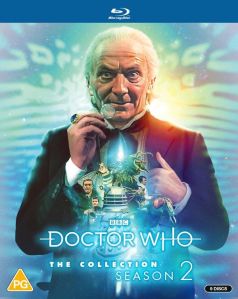
On Disc 5 of the ‘Doctor Who – The Collection – Season 2’ Blu-ray, ‘The Lair of Zarbi Supremo’ short story on audio, the ‘Tales of Isop’ making-of documentary, the dual mono sound audio mix option and the DVD audio commentary can be found on there. The info-text commentary option and the photo gallery have been updated for 2022 on the Blu-ray. The first ‘Doctor Who Annual’ from 1966 in PDF form is now included on Disc 1 of the Season 2 Blu-ray box set (the ‘Planet of Giants’ Blu-ray disc). The ‘Give-A-Show Slides’ were updated on ‘The Chase’ DVD and are now included on Disc 8 of the Season 2 Blu-ray box set (‘The Chase’ Blu-ray disc). Sadly, the alternative Spanish soundtrack audio option for the sixth episode on ‘The Web Planet’ isn’t included on ‘The Web Planet’ Blu-ray disc, which is very peculiar.
The new special features on Blu-ray include the ‘Behind the Sofa’ feature on ‘The Web Planet’ with Maureen O’Brien (Vicki), Peter Purves (Steven) and Carole Ann Ford (Susan) as well as Janet Fielding (Tegan), Wendy Padbury (Zoe) and Sarah Sutton (Nyssa) as well as Bonnie Langford (Mel) and Sophie Aldred (Ace). There’s a studio clock, which was used for the recording session of the first episode of ‘The Web Planet’.
On the PDF front, there are production documents, six camera scripts, studio floor plans for the first, second, fourth, fifth and sixth episodes of the story, photograher John Cura’s telesnaps, and a ‘Radio Times Listings’ of ‘The Web Planet’. You need a special Blu-ray computer drive for that.
‘The Web Planet’ is an intriguing and unusual ‘Doctor Who’ story to check out. I found it slow and uninspiring at times, but I like the brave attempt to create an alien world filled with giant insects and its concepts. It’s of its time, but this shouldn’t be disregarded lightly and is worth the entertainment.
If ‘The Web Planet’ was a four-parter instead of a six-parter, maybe I would have appreciated this story more and if I was given the chance to rewrite, I would have made it more compelling and fast-paced. As if, I’d be turning to the ‘Return of the Web Planet’ audio story more than its TV counterpart.
‘The Web Planet’ rating – 6/10
| The previous story
For the First Doctor was
For Ian was
For Barbara was
For Vicki was
|
The next story
For the First Doctor is
For Ian is
For Barbara is
For Vicki is
|
| Return to The First Doctor’s Timeline | |
| Return to Ian’s Timeline | |
| Return to Barbara’s Timeline | |
| Return to Vicki’s Timeline | |
| Return to The Doctors’ Timelines Index | |
| Return to The Companions’ Timelines Index | |
| Return to Doctor Who Timelines | |
| Return to Doctor Who | |
| Return to Sci-Fi |
 Bradley's Basement
Excellent review Tim, this story isn’t great is it, i commend trying something new but was a bit rubbish, as a four parter i think this would’ve worked far better with tighter pacing, but sadly as at six parters they’re really struggling, there feels too much padding & filler, i much prefer the excellent ‘Return to the Web Planet’, with the Fifth Doctor & Nyssa which is a cracking audio drama.
LikeLiked by 1 person
Hi Simon.
Glad you enjoyed my review on ‘The Web Planet’.
No, this story isn’t great. I found it dull watching it again when revisiting it for this review.
I always try to see the positive side as well as the negative in any ‘Doctor Who’ story and whilst I like some of the concepts and ideas in this story, this fell flat. It might have something to do with the direction or pacing of the story.
I agree, this should have been a four-parter instead of a six-parter. I would have made this more compelling and fast-paced if I rewrote the story.
I’m glad you prefer ‘Return to the Web Planet’ with the Fifth Doctor and Nyssa compared to this one. I do too, for obvious reasons. That story is also pacier and more enjoyable to listen to, as you can feel the action and pace and don’t feel bored when listening to it.
Thanks Simon. Glad you’ve enjoyed my latest reviews on these First Doctor stories.
Tim. 🙂
LikeLike
My previous comments stand if this had been 4 parts it might have been a tighter paced story but I found this had a lot of filler which didn’t help the plot.
Excellent review that perfectly sums up this story.
LikeLiked by 1 person
Hi Simon,
Glad you enjoyed my review on ‘The Web Planet’ again. I’m looking forward to revisting this story soon when it comes to checking out the Season 2 Blu-ray box set. It’s a shame about this story, as it has good ideas in it, but it falls flat in terms of pacing. ‘Return to the Web Planet’ is superior compared to this.
Many thanks for your comments.
Tim 🙂
LikeLike
“What I take from you will enable me to reach beyond this Galaxy, into the Solar System, to pluck from Earth its myriad techniques, and take from Man his mastery of Space…”
“The Web Planet” feels like the mid-1960s equivalent of seeing the latest CG blockbuster in the cinema. Something grand, sweeping, and evocative that challenges every corner of the screen on a glorious timpani of spectacle, and Vortis certainly has that.
The idea is a novel one and the production team does their utmost to try and make it work with the extremely limited resources they had. It would end up being one of the most popularly watched serials of the William Hartnell era with 12.5 million viewers. A figure that wouldn’t be eclipsed until “The Robots of Death” and its 12.6 million during Tom Baker’s tenure. “The Web Planet” feels like a quite genuine bit of one-upmanship for the explosive success of “The Dalek Invasion of Earth”. There was even a Vortis-inspired adventure for Captain Scarlet in the pages of TV21.
So, why has age not been particularly kind to this production?
The answer could be that it’s very much a product of what was available at the time. A period in the series’ history where even location shooting was rare. Picture a Vortis filmed at night like “Cygnus Alpha” in ‘Blake’s 7’. Among swirling pools of haunted mist and a sky too wide, too bleak, and too dark to really capture with the naked eye. A truly airless plateau as impossibly flat as the Australian outback. With a Carcinome for the Animus as grim and crowded with terrors as the jungle in “Planet of Evil” where an ill-considered footing would vanish a person forever.
That is the imagination that this story is asking of the viewer. But it can only do so much. So a brutal survival story, clamoring over the lunar landscape, has to narrow its scope to a few film inserts and almost pure studio recording. It’s not quite the same. The first two episodes, for me, drag because of those limitations, but I take a lot of enjoyment once we meet the Animus itself. A fungous cancer that’s growing across a world now still and dark with the secret patrols of giant ants, crawling over its rocks like a freshly fallen animal carcass. The potential imagery is spectacular.
It’s also a story, as strange as it is, about faith. Like “The Crusade” after it, it has religious tones, but a recurring theme of “The Web Planet” is the faith placed in an individual, an ideal or even a people. From the little jokes between Barbara and Vicki about the former’s “antiquated” ways to the Doctor’s eager belief that Ian will return to them with Barbara still alive (how we’ve all grown since Totter’s Lane). The Menoptera even get their share in Vrestin’s determination to see the Optera live in Light and Prapillus’s renewed faith in his Gods after his wings are ripped from him by the Zarbi. There are long gaps of silence in this story, a lot of padding, sure, but… I was surprised rewatching how much is going on in “The Web Planet” when it is moving.
I’d be on board for another visit to Vortis. It would be a difficult thing to balance, absolutely. The Jim Henson-styled peculiarities of a planet aggressively unearthly with the story’s World War II undercurrents (the Doctor, a captured scientist in the Animus’s headquarters, works like a kidnapped codebreaker). It’d be worthwhile, I think, to see a four-part story that plays to this serial’s strengths.
LikeLiked by 1 person
Hi Wolfie,
Thanks for sharing your thoughts on ‘The Web Planet’, highlighting the postives and negatives. I’ve heard claims that this is regarded as one of the worst ‘Doctor Who’ stories ever made, which I think is unfair as there is some good to be found in this adventure, despite some of the slow pacing that can be found in this one. I hope to update my thoughts on this story properly when it comes to the end of the 60th anniversary marathon in 2023 and when I get to revisit and update my reviews on the Season 2 stories in the Blu-ray box set.
Once again, many thanks for sharing your thoughts.
Tim 🙂
LikeLike
Hi Tim,
Thanks for your reviews to spark the ideas off, Tim. Looking forward to the revision. I agree, I wouldn’t even say that “The Web Planet” is the weakest of its era. It’s an imaginative concept hampered by the realities of its production. I imagine it would have a different pace and texture even with a change of medium–if ‘Doctor Who’ had been lucky enough to shift completely from video to film, as ‘The Avengers’ did between the departure of Honor Blackman and the arrival of Diana Rigg.
We won’t see Vortis again for the classic televised series. At least… We won’t see it directly. Many of the ideas that inspired “The Web Planet”, however, will linger quite prominently for the Second Doctor. There’s a definite echo of inspiration in the creation of the spirit-like Great Intelligence’s web and its controlled Yeti foot soldiers for “The Abominable Snowmen” and, more viscerally, in “The Web Planet”. The Tibet story takes place in a hijacked monastery (echoing Vortis’s themes of faith) and the London Underground story features a hijacked Yeti (similar to Zombo the Zarbi). The novelisation even forgoes any reference to the name of “Animus” (a Latin word for “spirit”) and simply calls it, “the Intelligence”. Food for thought.
These concepts will definitely pop up again for ‘Doctor Who’ after 1965. Just not in the way we’re expecting.
Best,
Wolfie 🙂
LikeLiked by 1 person
Hi Wolfie,
Interesting comparisons you’ve between ‘The Web Planet’ to the two Yeti stories ‘The Abominable Snowmen’ and ‘The Web of Fear’. Thanks for sharing them.
I’m currently revamping ‘Part Three’ of ‘The Thirteen+ Doctors’. Hopefully I’ll be able to send a copy of the story to you and to others for persual in February before I share it on ‘Bradley’s Basement’ later in the year.
Many thanks,
Tim 🙂
LikeLike